The Rise of Worldschooling and a Family’s Bold Decision
Worldschooling has been gaining traction as more parents explore alternative education methods for their children. This approach involves learning through real-world experiences, often outside the traditional classroom setting. For many, it’s not just about education—it’s about redefining how they live, work, and grow as a family.
Earlier this year, I made the decision to pull my six-year-old son out of school. A few weeks later, we were living and worldschooling on a Greek island. At first glance, this might seem like an unusual choice, but I’m not alone in this journey. Many millennial parents are questioning the traditional path of 12 years of school, followed by university and a corporate job. They’re looking for alternatives that offer more flexibility, creativity, and a deeper connection to the world.
Why Greece (and Why Now)?
My six-year-old son is in grade one, and my four-year-old daughter is just behind him. I started noticing some cracks in our daily routine—my son would come home frustrated, overwhelmed by the structure of school life. Social situations were challenging, and his energy levels were low. I decided to take a break from the traditional system, pulling both my children out of school for three months to see if it would make a difference.
In April, we joined 44 other families on a Greek island for three months to live and worldschool. A few years ago, such a move would have been considered extreme, but today, it’s becoming more common. Since announcing our three-month ‘move,’ I’ve received numerous questions from other families considering the same path.
What We’re Doing in Greece
We aren’t moving here permanently, though I’d love to. After our three-month program, we’ll travel a bit more. We had never been to Greece before, and I hadn’t heard of this kind of worldschooling experience until recently. However, it’s exactly what I needed.
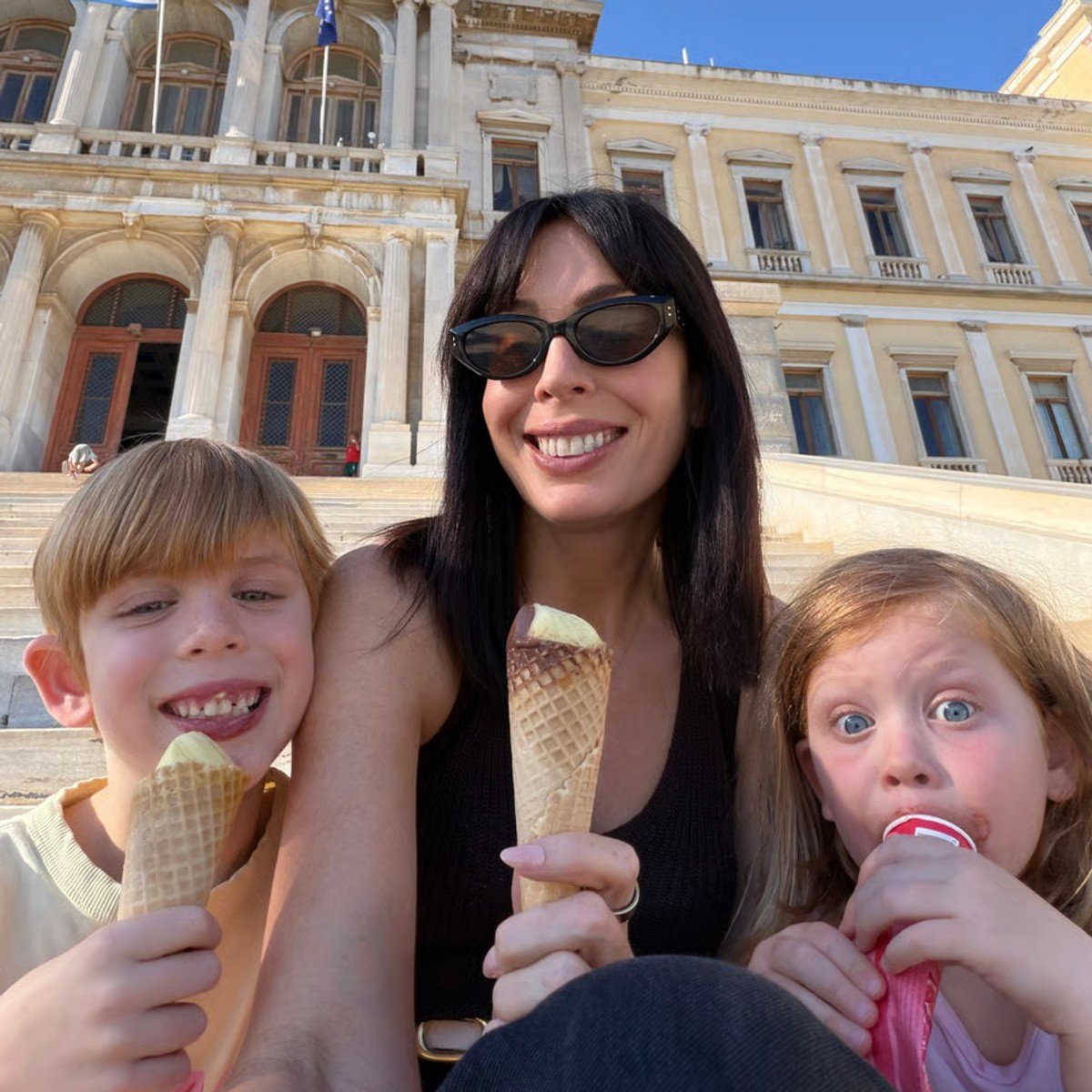
The kids attend a world school where they spend their days on quests, learning about the island, following the Finnish curriculum, and engaging in activities like pottery and theatre games. The pace of life is slow, and each afternoon, the kids gather in the square to play without screens. Parents connect easily, creating a sense of community that feels like a ‘village.’

Image: Supplied.
How I Made Logistics Work (With a Few Weeks’ Notice)
The truth is, a move like this is more doable than people think. My plan involved getting permission from the school, liaising with my daughter’s daycare, and renting out our home. As a business owner, I was able to fund our flights using points.
The hardest part wasn’t the logistics—it was making the decision to go and overcoming the doubts that held me back.
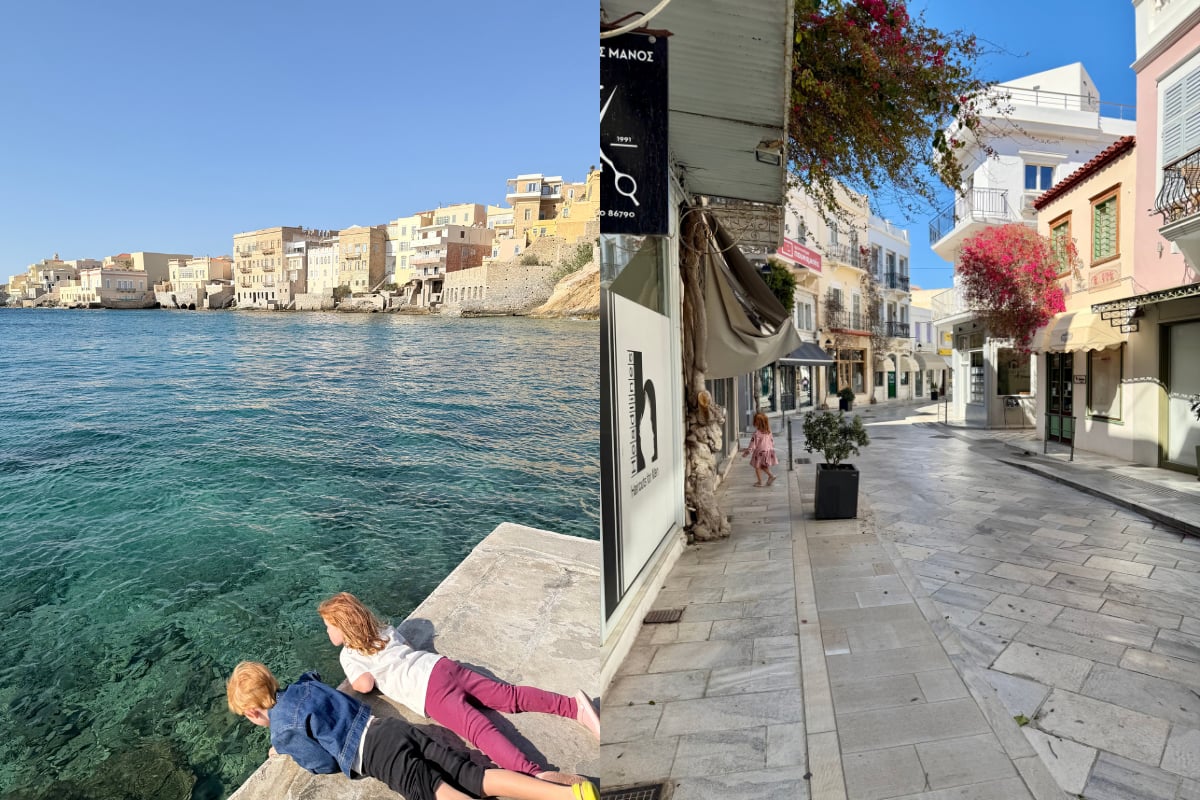
Image: Supplied.
Financial Considerations
Worldschooling isn’t cheap, and it’s a privilege to be in a season of life where it’s both financially and logistically possible. For us, it worked because I run an online business and can work remotely. Others have different approaches: some work remotely for companies overseas, others run businesses that allow them to operate from anywhere.
Some choose more affordable destinations or travel during the off-season. Others do it DIY, organizing their own accommodation and tapping into informal worldschooling communities. There’s no single way to do it, which makes it more accessible than many think.
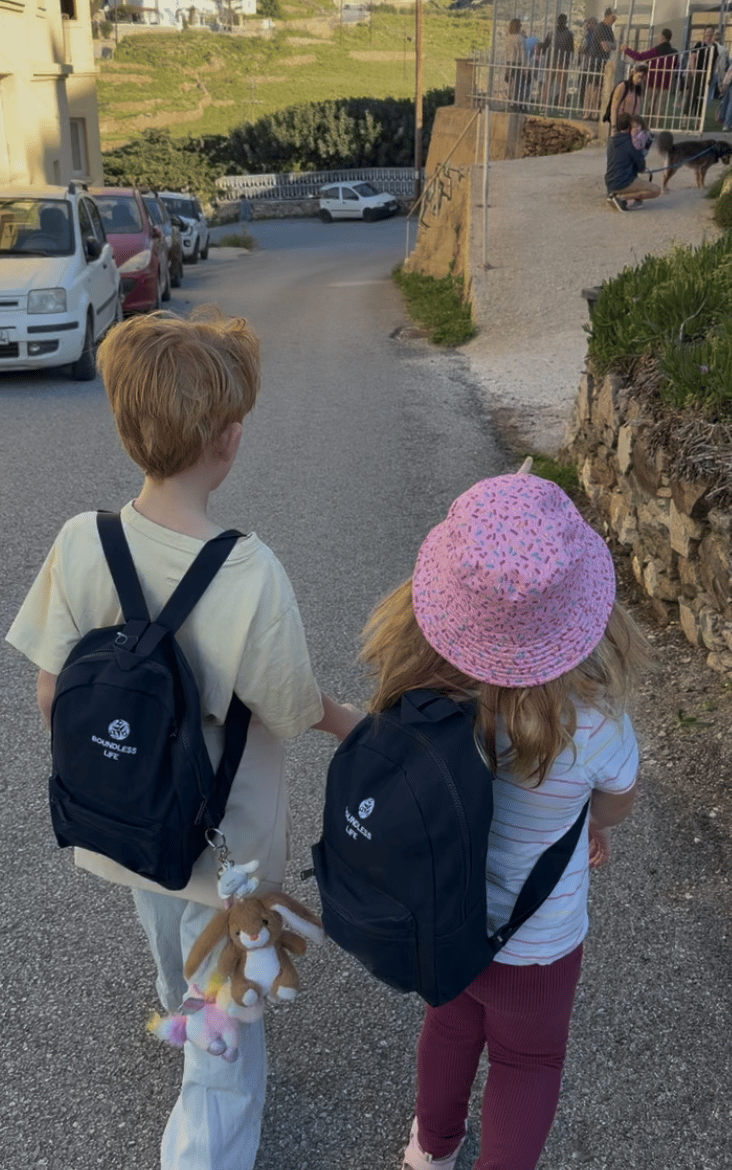
Image: Supplied.
Does the Reality Match the Expectation?
Six weeks into our worldschooling adventure, it’s transformed all of us—but not necessarily in the way I expected. I hoped that attending a world school would solve all our issues at home, giving us time to slow down and connect more deeply as a family. But the reality has been different.
The first few weeks were filled with big feelings, transitions, and emotions. The kids had to process a new place, new people, and a new rhythm. It required more support, patience, and presence from me than I anticipated.
For me, the biggest shift has been learning to live a slower, less rushed life. It’s about savoring moments instead of rushing from one task to the next. It’s about prioritizing connections over productivity.
Would We Do It Again?
Absolutely. Right now, my children are seeing the world, and I’m enjoying it with them. The biggest gifts so far are resilience, confidence, and a softer version of life that doesn’t revolve around rushing or to-do lists.
Many of the families we’ve connected with feel the same. Once you’ve experienced a different way of living, it’s hard to go back. We’re letting this experience shape our perception of life when we return home—but don’t be surprised if you see us all on another plane soon.
Feature Image: Supplied.