The Role of Insects in a Thriving Garden
As the weather warms, insect activity increases, especially that of pollinators, which bring gardens to life. This buzzing and swirling activity is something gardeners appreciate, especially during times when concerns about biodiversity are at the forefront.
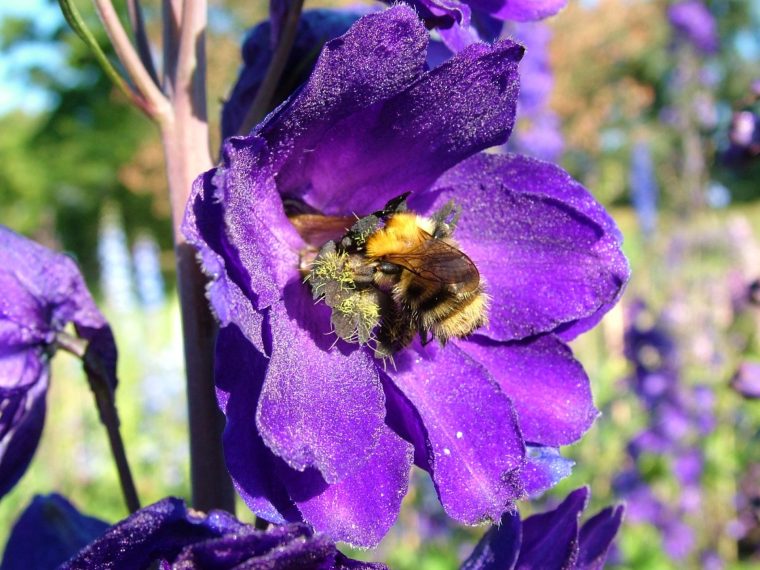
Bumblebees are among the most visible pollinators. They create nests in the ground or hollow trees, which can house up to 400 worker bees along with their queen. While these nests die out in late summer, they are currently being built up again.
There are 26 species of bumblebee, with eight of them being very common in gardens. It is often said that every other garden has a bumblebee nest. Solitary bees, where each female builds her own nest and dies before her offspring emerge, are even more crucial as pollinators. Many of these bees require bare patches of soil for burrowing.
It’s important to avoid disturbing the nests or burrows of these valuable pollinators. Leaving some areas of grass and vegetation undisturbed, or allowing patches of bare soil, can help support these insects.
Caterpillars and Their Impact on Gardens
Caterpillars are the larvae of moths and butterflies that often feed on leaves or roots. The mullein moth caterpillar is particularly noticeable on certain types of mullein (verbascum) right now. While it leaves the plant looking ragged, the banded caterpillar is surprisingly attractive. Most caterpillars don’t cause significant damage and are best left alone so birds can feed on them. Plants usually recover quickly from any damage.
The notorious cabbage caterpillars rarely appear in large numbers until late summer, when picking them off can help reduce damage. These caterpillars also face threats from insect diseases and predators such as wasps and parasites.
Beneficial Insects and Natural Pest Control
Predators and parasites, known as beneficial insects, play an important role in controlling populations of unwanted insects. In nature, there is a balance between these beneficial insects and less welcome ones. This balance also applies in gardens, where insect damage is typically moderate.
Gardeners sometimes buy parasitic and predatory insects to release in their greenhouses. However, success depends on timing. No predator or parasite can quickly suppress a heavy infestation, nor can they thrive without a food source.
Regular monitoring of greenhouses and conservatories can detect early signs of pests like whiteflies, aphids, and red spider mites. Yellow sticky traps are effective for detecting whiteflies, while red spider mites cause mottled leaves and aphids lead to curled leaves. These pests particularly enjoy aubergines, making them a useful greenhouse sentinel for early warning signs.
Red spider mites are likely to be more prevalent after the recent hot weather. Ordering the appropriate control measures before their population grows can provide long-lasting suppression, although top-ups may be needed at intervals.
Ladybirds and Other Natural Pest Controllers
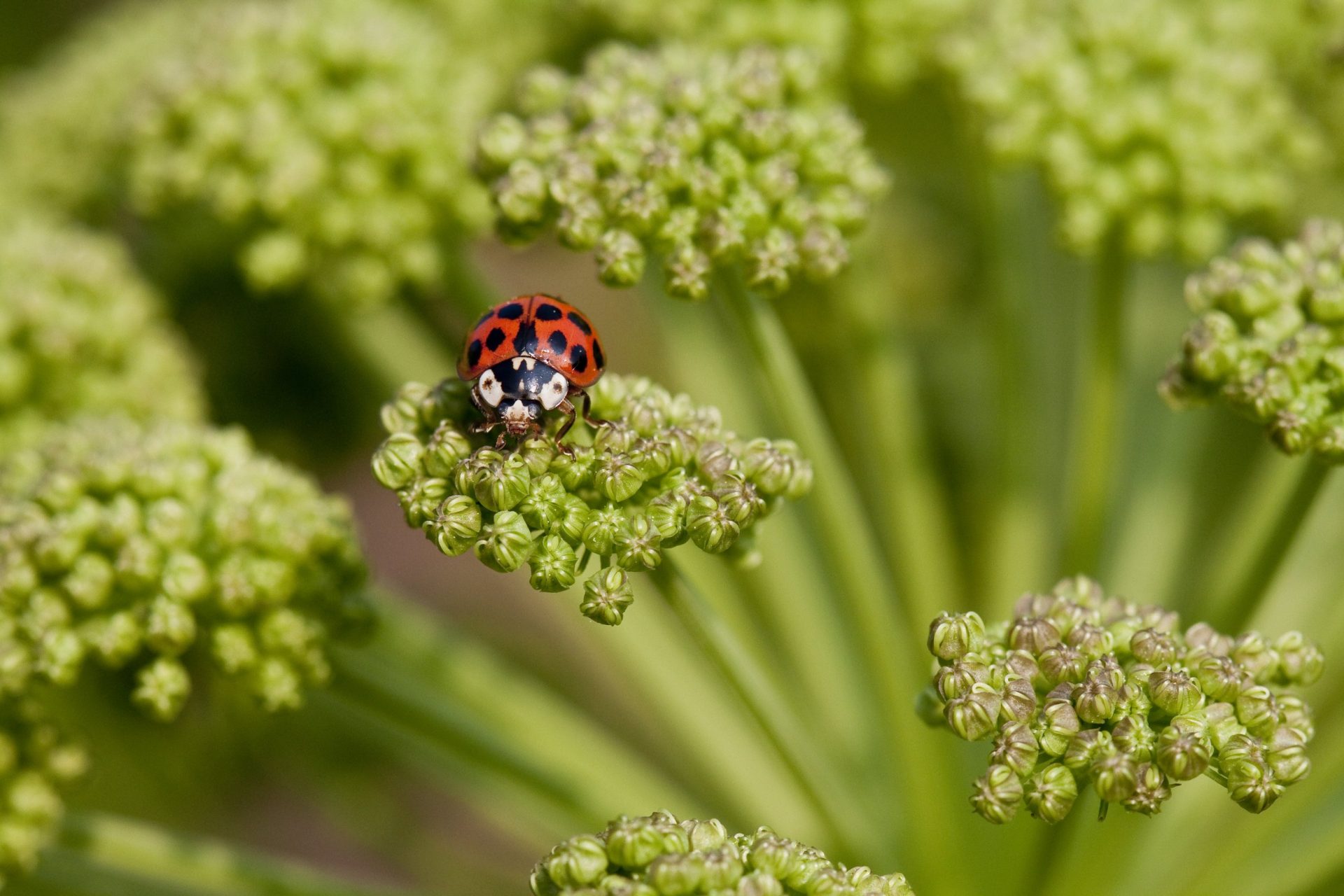
Ladybirds and their equally noticeable larvae are known for devouring aphids and scale insects. Aphid populations often explode at the start of the season, with the black bean aphid (blackfly) on broad beans being a well-known example. As colonies become crowded, winged forms develop, spreading the aphids further.
A pleasant summer garden ritual is watching aphid populations grow and then decline with the arrival of their enemies, including lacewing and sawfly larvae. There may be later outbreaks, such as blackfly on runner beans, but these rarely cause major issues on healthy plants.
Rose aphids have come and gone in many gardens, but the caterpillar-like larvae of certain sawflies might raise concerns. The leaf-rolling sawfly rolls leaves into tubes, while the rose slugworm and large sawfly feed on foliage. Severe infestations can be removed manually, but often the damage is cosmetic and does not harm the plants in the long term.
Encouraging Pollinators and Beneficial Insects
To attract more pollinators and beneficial insects, planting plenty of pollinator-friendly flowers is recommended. The Royal Horticultural Society (RHS) provides lists of these plants—search for “RHS Plants for Pollinators.” Many garden centre plants carry a bee logo to indicate their pollinator-friendliness.
The RHS is a charity dedicated to inspiring everyone to grow through its research, advisory services, outreach programs, shows, and gardens. For more information, visit rhs.org.uk.