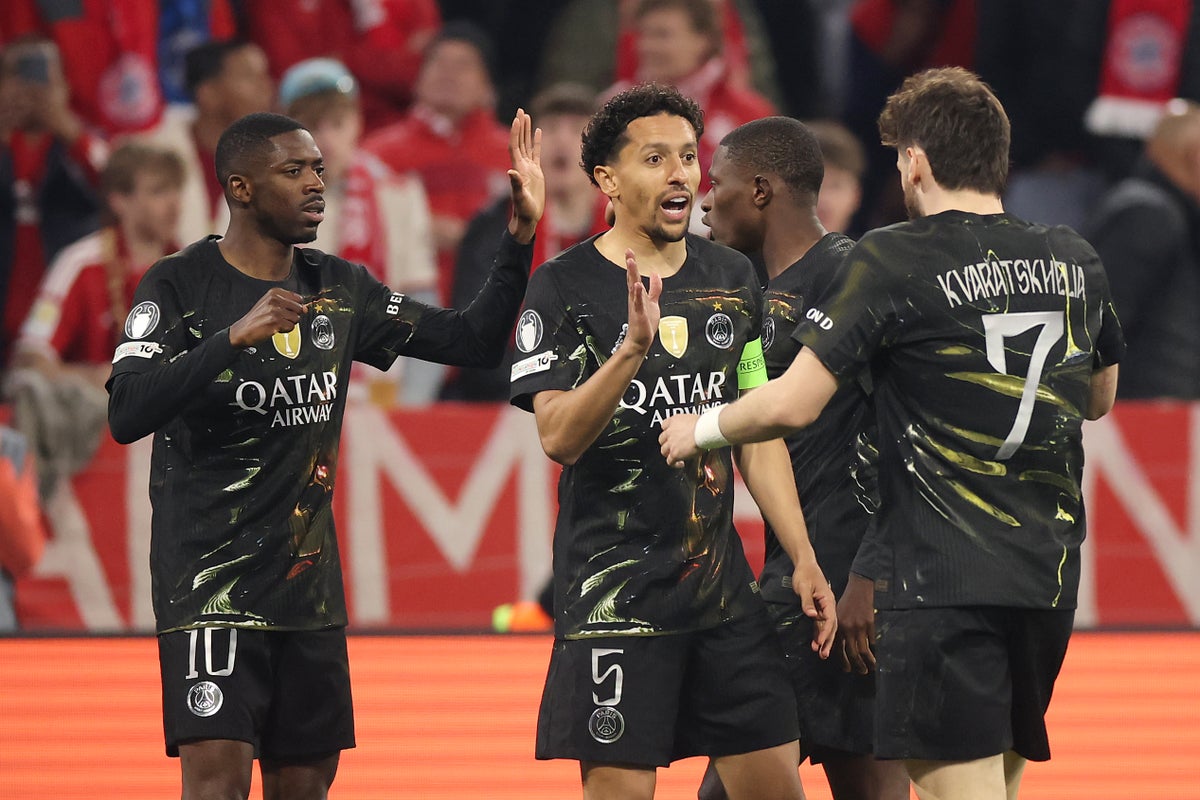
Paris Saint-Germain’s starting 11 for their upcoming match against Arsenal is unlikely to include the likes of Ballon d’Or winner Ousmane Dembele, or other key players such as Marquinhos, Nuno Mendes, and Achraf Hakimi. Instead, the team that will take the field features a mix of younger and less experienced players. The goalkeeper is Lucas Chevalier, with defenders Willian Pacho, Ilia Zabarnyi, Beraldo, and Lucas Hernandez forming the backline. In midfield, Vitinha is joined by Warren Zaire-Emery and Senny Mayulu. On the attacking front, Khvicha Kvaratskhelia leads the line alongside Bradley Barcola and Lee Kang-in.
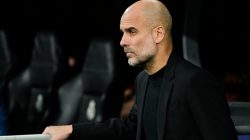
Mikel Arteta might be surprised by the absence of some of PSG’s usual stars, but it’s not necessarily a disadvantage. The team still has the potential to be a trophy-winning side, even if it looks makeshift. This group has been the most-used in PSG’s recent campaigns, particularly during their Ligue 1 title win. However, players like Goncalo Ramos and Ibrahim Mbaye, who have made the most appearances, won’t be starting in this match.
The Champions League final presents an intriguing contrast. On one side is a team with the best attack, while on the other, a defense that has proven to be equally strong. One club finished 11th in the league phase, while the other topped the table with a perfect record. There is also a contrast between a team that has consistently won domestic titles and another that has only just claimed its first championship in 22 years.
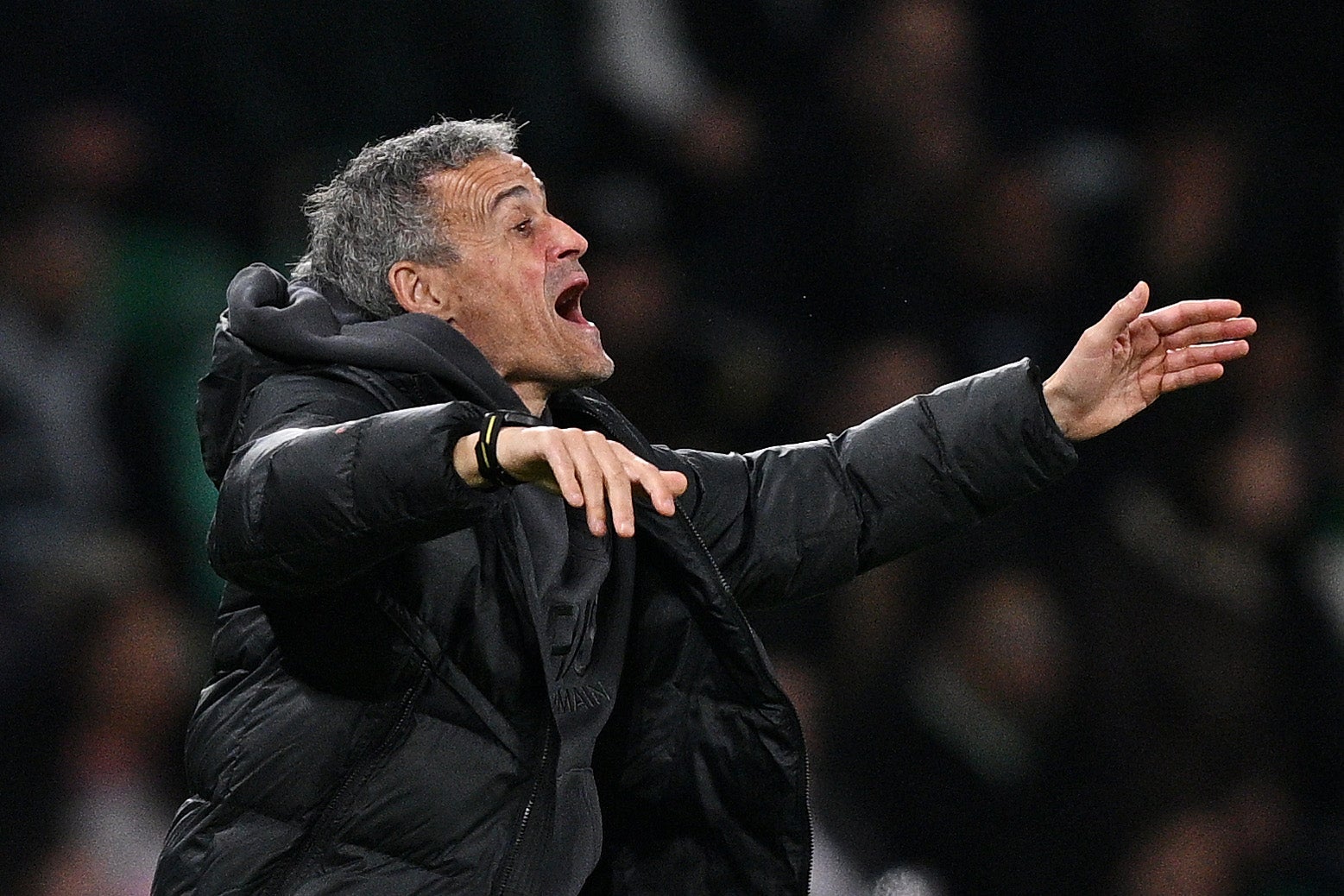
There is also a difference in how each team achieved their respective successes. PSG won Ligue 1 while focusing heavily on the Champions League, benefiting from the financial advantage they hold over other French clubs. They were able to rely on their squad players to secure results. Their physical condition may also give them an edge in the Champions League, as they appear faster, fitter, and more rested than their opponents.
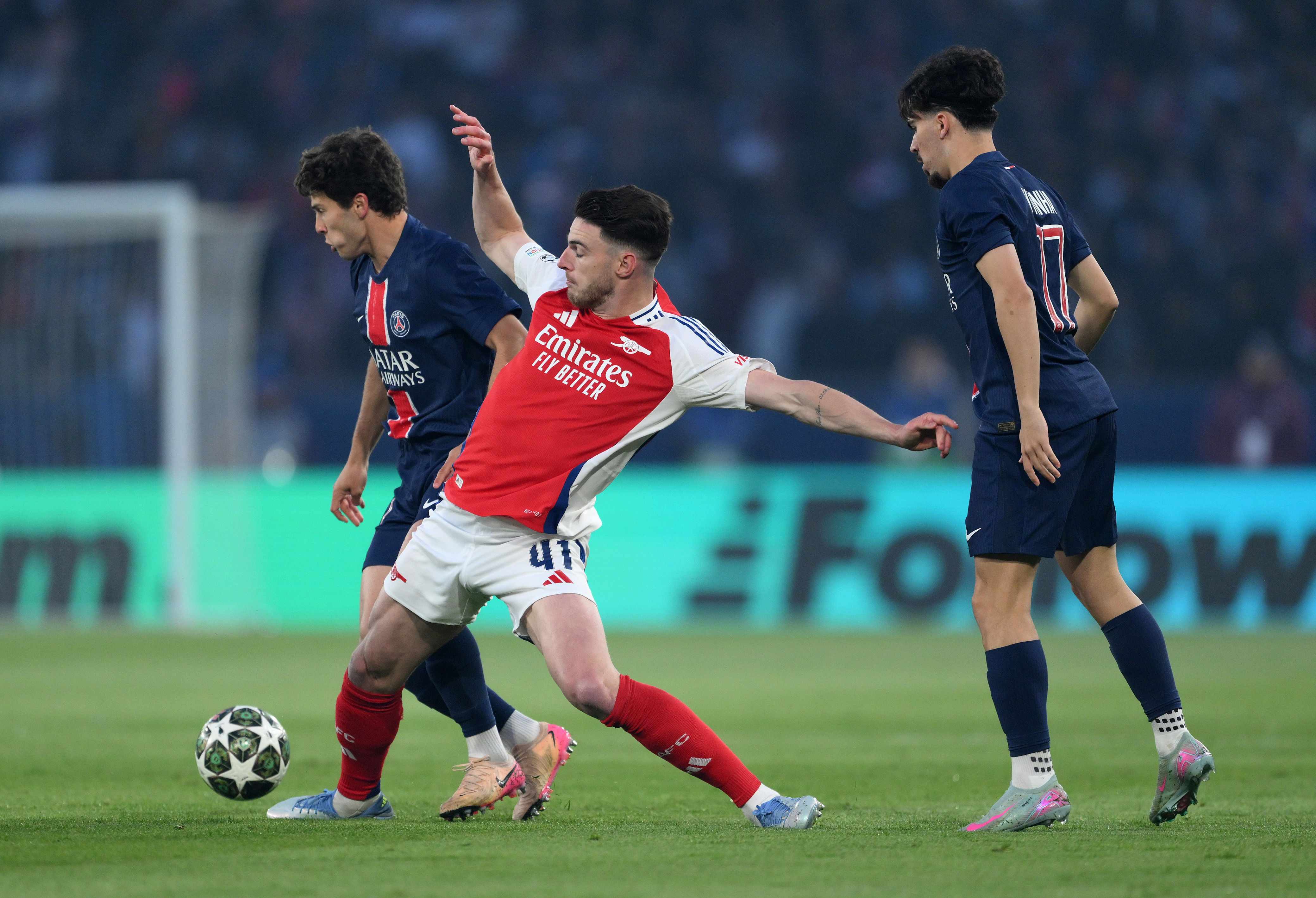
In contrast, Arsenal has adopted a more attritional style due to the competitiveness of the Premier League. Mikel Arteta’s most-used players in terms of Premier League minutes could easily form a starting XI: David Raya in goal, with Jurrien Timber, William Saliba, Gabriel Magalhaes, and Piero Hincapie in defense. Midfielders Martin Zubimendi and Declan Rice would support the attack, featuring Bukayo Saka, Eberechi Eze, and Leandro Trossard. Viktor Gyokeres would be the main striker.
However, the workload for PSG’s players differs significantly. While Declan Rice had the second-highest Premier League minutes in Arteta’s squad, his counterpart at PSG, Ilia Zabarnyi, hasn’t started in European competition since October. This highlights how Marquinhos, despite being the club’s most-capped player, has become a part-time footballer, reserved for major matches.
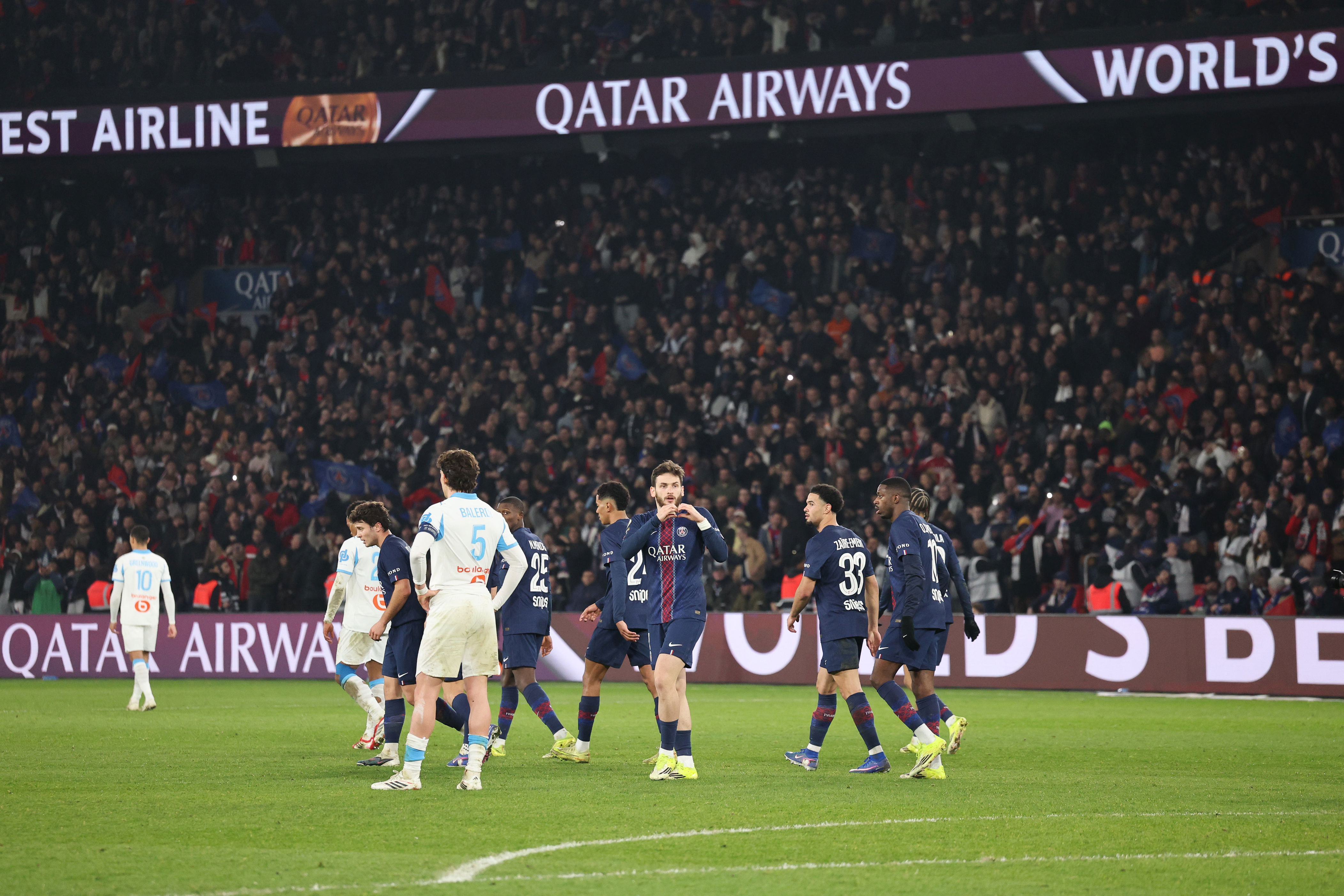
Ousmane Dembele has only appeared in 11 games this season, and he has completed 90 minutes only once. Similarly, Khvicha Kvaratskhelia has managed 90-minute performances three times, the last one in January. This explains why the Georgian forward has scored more goals and provided more assists in the Champions League than in Ligue 1. His performance in Europe has been exceptional.
Dembele’s limited role can be partly attributed to recurring hamstring and calf injuries. Additionally, PSG has been playing a two-year season without a break, following their participation in the Club World Cup and the European Super Cup. This has meant that one campaign has seamlessly transitioned into the next. Luis Enrique has had to manage his squad carefully, protecting key players for crucial matches.
It could be argued that PSG increased their workload by failing to finish in the top eight of the Champions League, which forced them to play in the play-off round—something Arsenal avoided. Despite this, player welfare has seemed to be a priority in selection decisions.
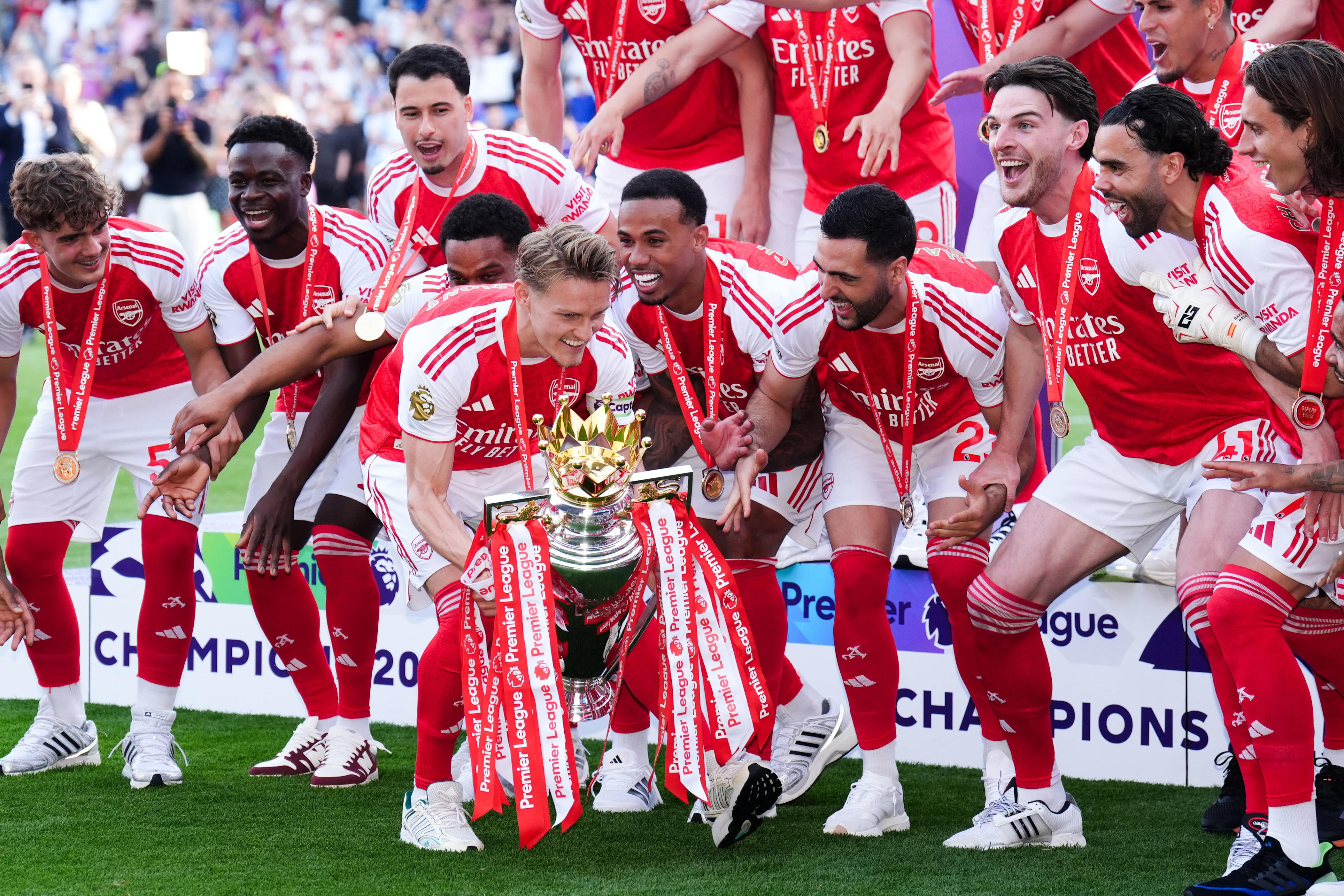
On the surface, this could be considered PSG’s weakest Ligue 1 title. Apart from the shortened 2019-20 season, they have the lowest points total of any French champions since 2003. In recent years, they have regularly scored over 100 league goals, but this season, they managed just 74. However, they have shown their quality in European matches, scoring five goals in games against Bayern Munich, Chelsea, and Tottenham, and seven against Bayer Leverkusen. Their pace and attacking flair have made them a different team in Europe.
PSG has also received institutional support. For example, Ligue 1 allowed them to postpone matches to prepare for Champions League fixtures. A game against title rivals Lens was called off, giving them a free weekend between the two legs of their quarter-final against Liverpool. Similarly, a gap was created between their return fixture against Chelsea after their match against Nantes was postponed.
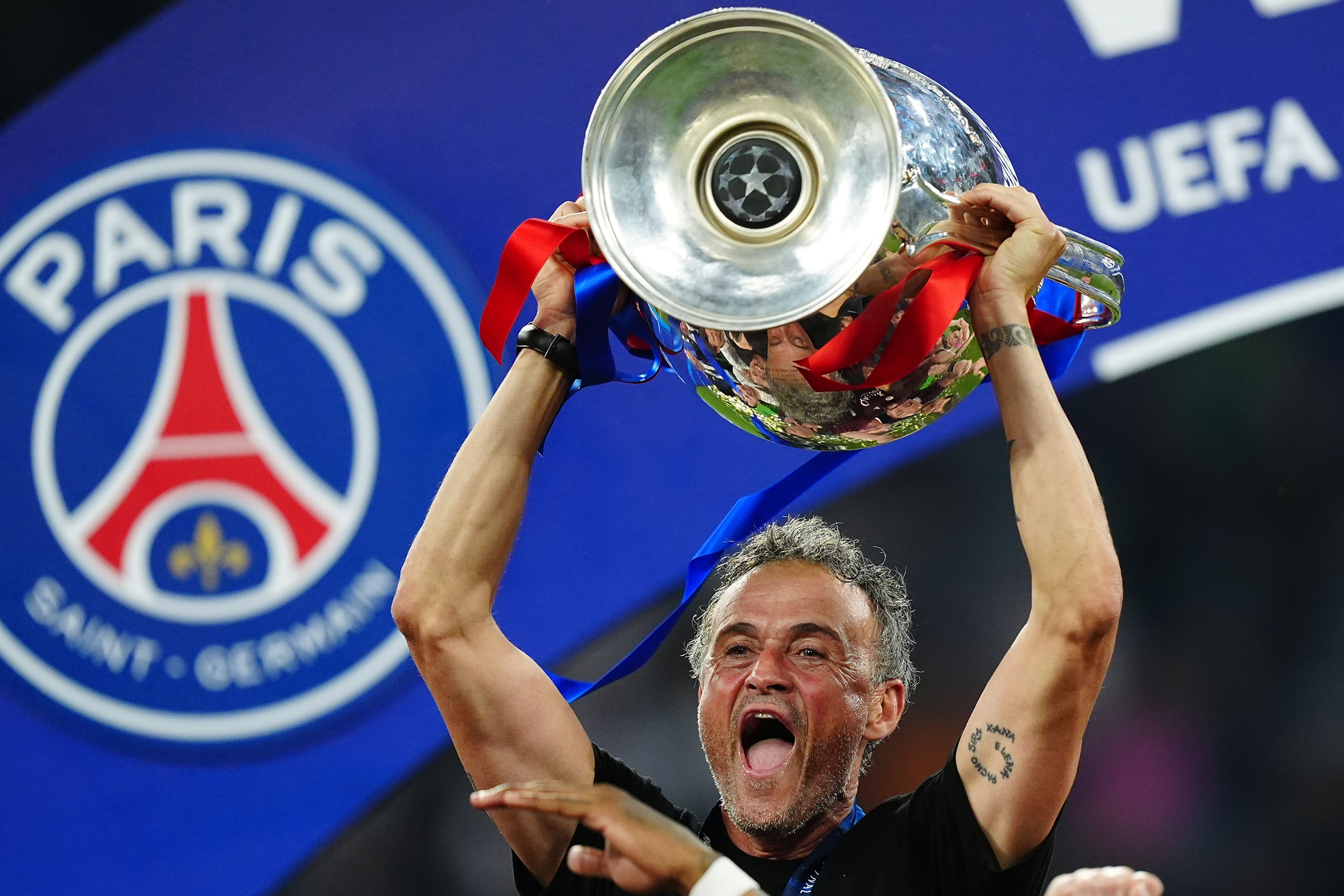
Being a French club has now become an advantage for PSG in continental competitions. For many years, it seemed that the weakness of the French league left PSG unprepared for Champions League knockout stages. They were often eliminated by teams like Real Madrid, Barcelona, and Manchester City. However, in the past two years, they have managed to eliminate English clubs under Luis Enrique’s leadership, changing the dynamic of their European campaigns.
The success of independent readers lies in their ability to think for themselves. They are global citizens defined by their attitudes rather than traditional demographics. In a fragmented world, they value real facts and honest opinions from trusted news sources. Empowered by information and inspiration, these readers take a stand for what they believe in.