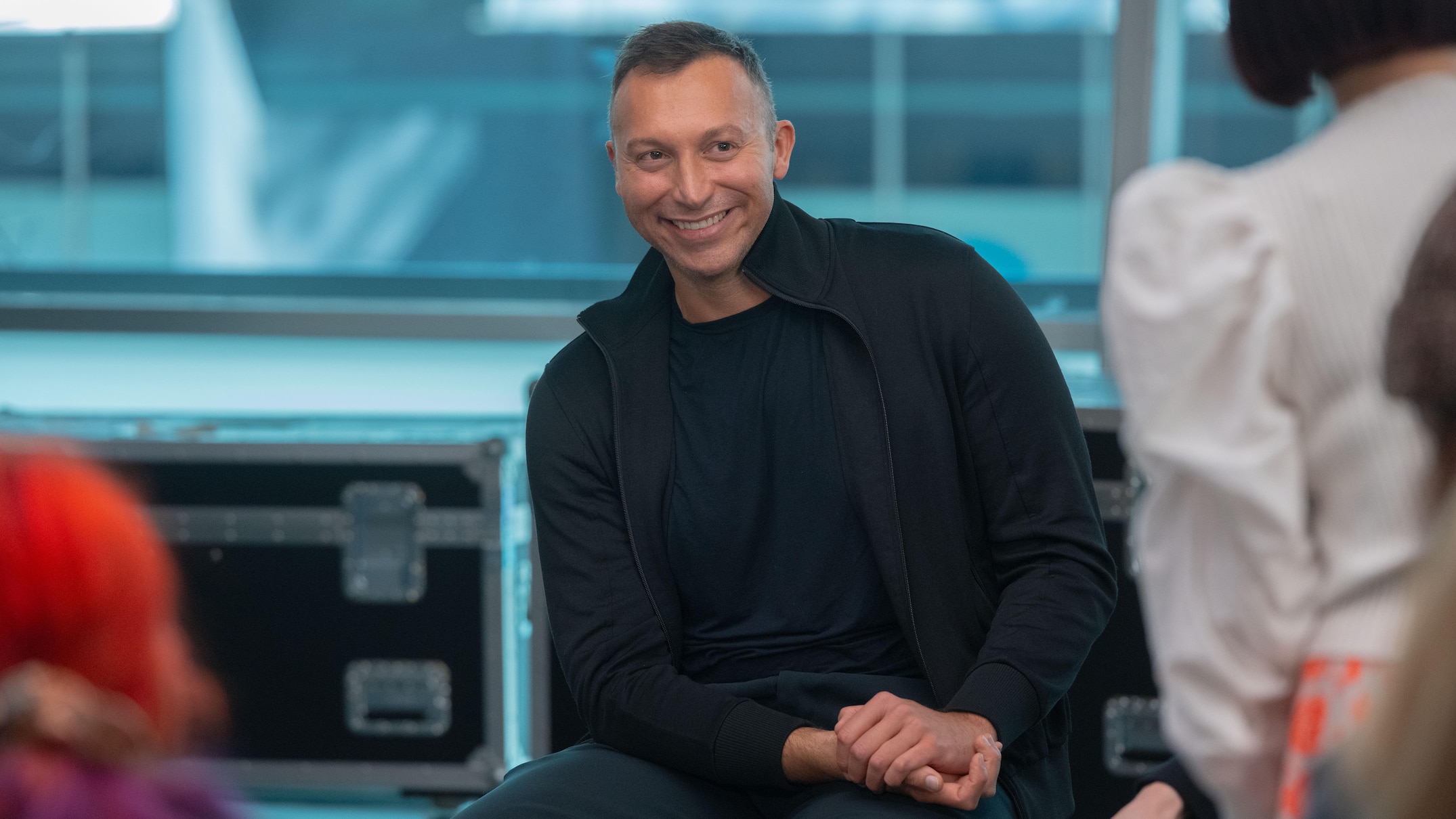
The Rise of a Swimming Legend
Ian Thorpe’s journey to becoming one of the most celebrated swimmers in history began at a young age. At just 14, he made his mark on the international swimming scene, quickly becoming a world-champion swimmer and a household name. The late 1990s marked a time of great anticipation as Australia prepared for the Sydney Olympics. Millions of people watched as this teenage prodigy, with his distinctive flipper-like feet, competed against adult men and often came out ahead.
Throughout his career, Thorpe broke numerous records and earned nine Olympic medals. However, the pressure of being a national hero was immense. He faced constant scrutiny not only about his athletic performance but also about his personal life. Despite this, Thorpe found solace in the water, where he could escape the noise of the crowd and immerse himself in the silence of the pool.
A Quiet Strength
Thorpe has always been an introvert, preferring small groups or solitude over large social events. He uses positive self-talk to manage the stress that comes with being in the spotlight. “I’ve had to learn to be comfortable… to be able to get through it,” he said. “For me, it’s occasionally taking a break and just going, ‘I’m all right, I’m OK.’”
His favorite part of competition is the silence. “I really go into my sensory experience at that point,” he explained. When he jumps off the blocks, he feels the rush of water and the movement around him, creating a moment of transformation. This sense of calm and focus helped him achieve incredible feats, including three gold and two silver medals at the Sydney Olympics.
The Weight of Expectations
Being from Sydney, Thorpe never imagined he would live to see the Olympics held in his home city. “I always thought I wouldn’t have matured enough as an athlete by then,” he said. The entire country supported him, which meant expectations were high. “Everyone just expected me to win, so [there was] a lot of pressure,” he admitted.
His fame led to numerous opportunities, from TV appearances to sponsorship deals that put his face on buses, billboards, and cereal boxes. His friend and fellow Olympian, Kirsten Thomson, noted that Thorpe’s life was far from typical. “Ian had to grow up very quickly, and his life wasn’t normal from a very young age.”
Embracing Identity
Thorpe faced persistent questions about his sexuality, especially when he was just 16. He spent years denying these questions, but at 31, he came out publicly. “It wasn’t actually hard to have people accept me as gay,” he said. He believes coming out helps others who may be struggling with their identity.
He also spoke about the need for a broader understanding of masculinity. “We need to continue to do a better job,” he said. “In this country, I believe we are becoming more comfortable reflecting different facets of diversity.”
Mental Health Struggles
Two years after coming out, Thorpe opened up about his battle with depression. “From the outside, many would not see my pain nor be able to relate to the sometimes-daily struggle I was facing,” he wrote. He felt guilty for not feeling happy, which made it difficult to live authentically.
Thorpe acknowledged that his mental health issues were not caused by media scrutiny but were something he had to manage. “I was and I am someone with depression,” he said. He learned to articulate his feelings over time and now feels more equipped to handle them.
Life After the Spotlight
After retiring from professional swimming, Thorpe reflected on his achievements. “About one-third of my life was in the spotlight, if not more,” he said. He turned down many opportunities, such as a Japanese record deal and a guest role on Friends, to stay focused on his goals.
Despite this, he would have liked to take more of those “crazy” opportunities. “Just to have a little bit more balance, like doing those cool things,” he said. He emphasized the importance of balance and focusing on what truly matters.
Adjusting to a New Life
Fifteen years after retiring, Thorpe continues to support athletes, helping them navigate both their careers and life after sports. “There’s a significant adjustment that athletes need to make post-sporting career,” he said. For him, fitting in became the next step in his journey.
Stream all episodes of The Assembly on ABC iview or watch Sundays on ABC TV at 7:30pm.