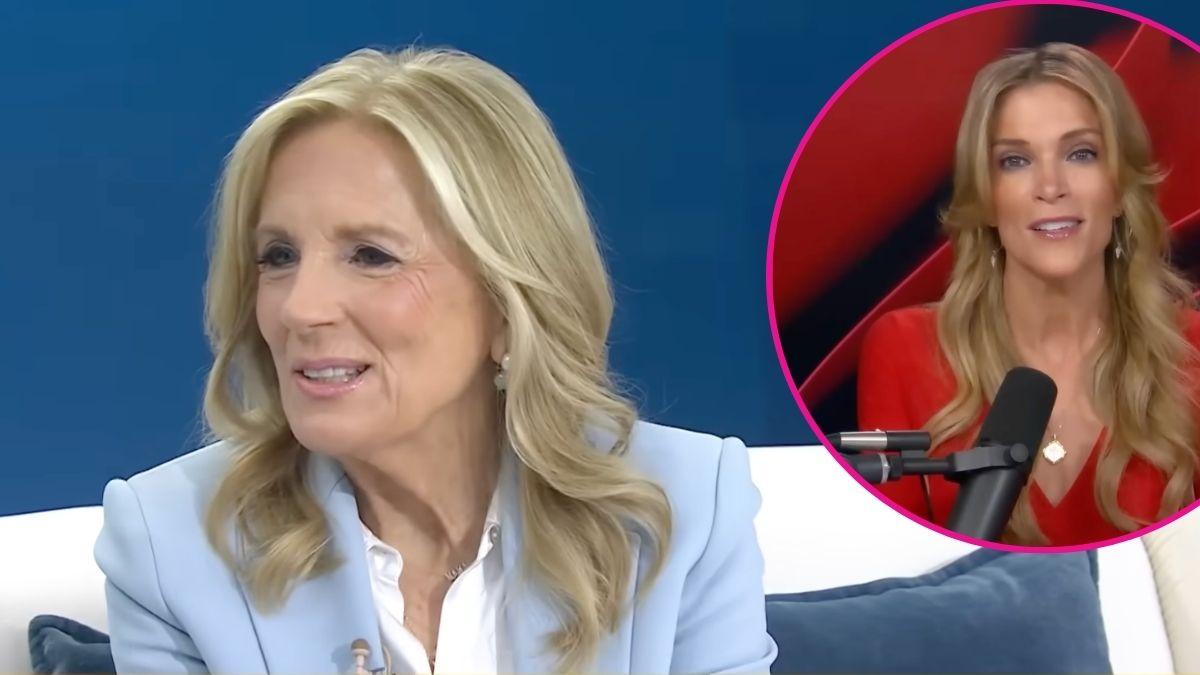
Megyn Kelly delivered a sharp critique of Jill Biden on Monday, June 1, during an episode of her eponymous show, focusing on the health of her husband, Joe Biden. The journalist, 55, accused the former first lady, 74, of misleading the public about Joe’s health issues when he decided to step down from the 2024 presidential race against Donald Trump.
Joe, 83, chose to exit the election due to health concerns, with former Vice President Kamala Harris taking his place. Megyn made a pointed comment, saying, “We have our own problems over here on the right, center right, and independent right, as I am, so I’m fine with Dr. Jill throwing a little hornet’s nest into our leftist friend’s camp.”
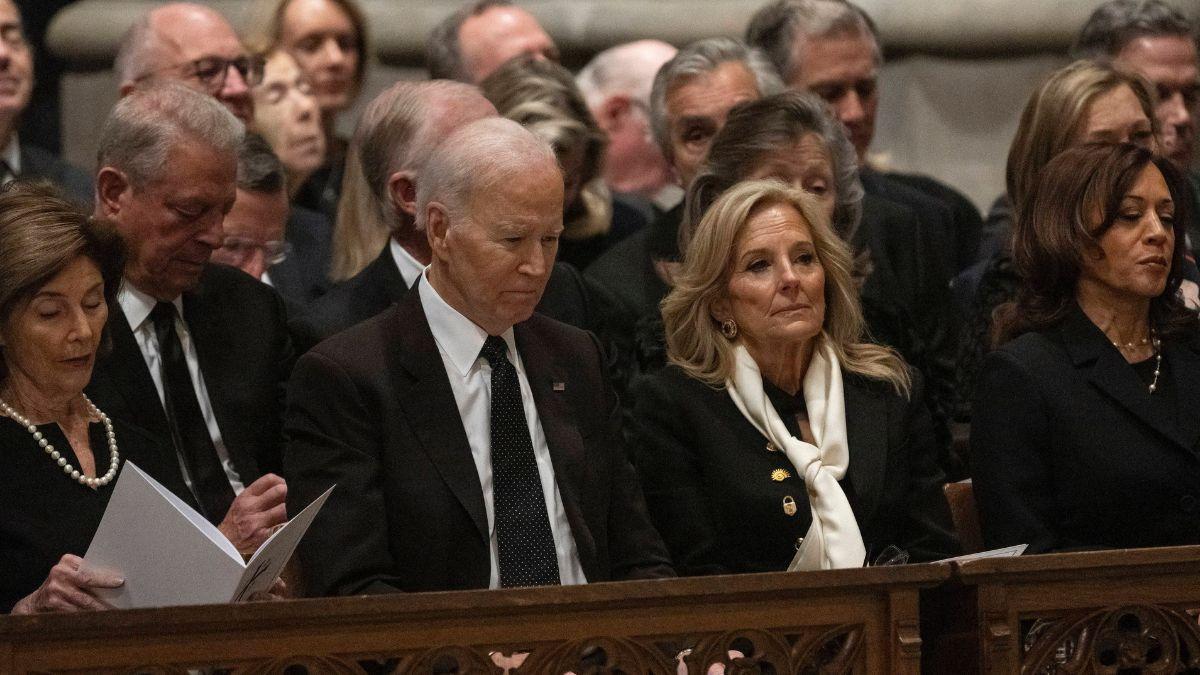
“She has decided that now would be a great time to revive the debate over whether Joe Biden’s mental health was perfect while he was running for president, and I am here for it,” Megyn said. She added, “She’s also not happy, she’s not being shown the respect she thinks she deserves on this book rollout, which it’s supposed to be about her and not just Joe Biden.”
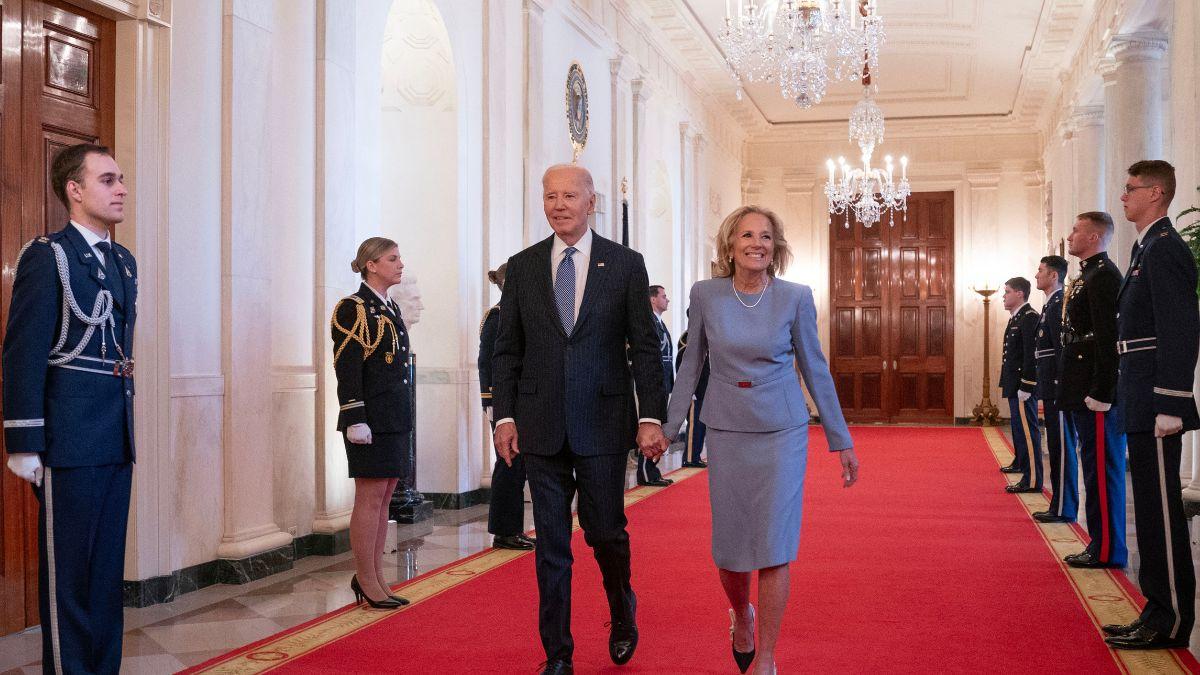
Megyn continued: “Let me start with that one, just because it’s fun, and if this is angry Jill Biden, who’s getting Gayle King vibes of ‘I’m inspirational, Craig Melvin. Whether you know it or not, I’m an inspiration!’”
The former teacher appeared on the Today show, where she promoted her new book, View From the West Wing: A Memoir, and discussed the ex-Delaware senator’s physical health.
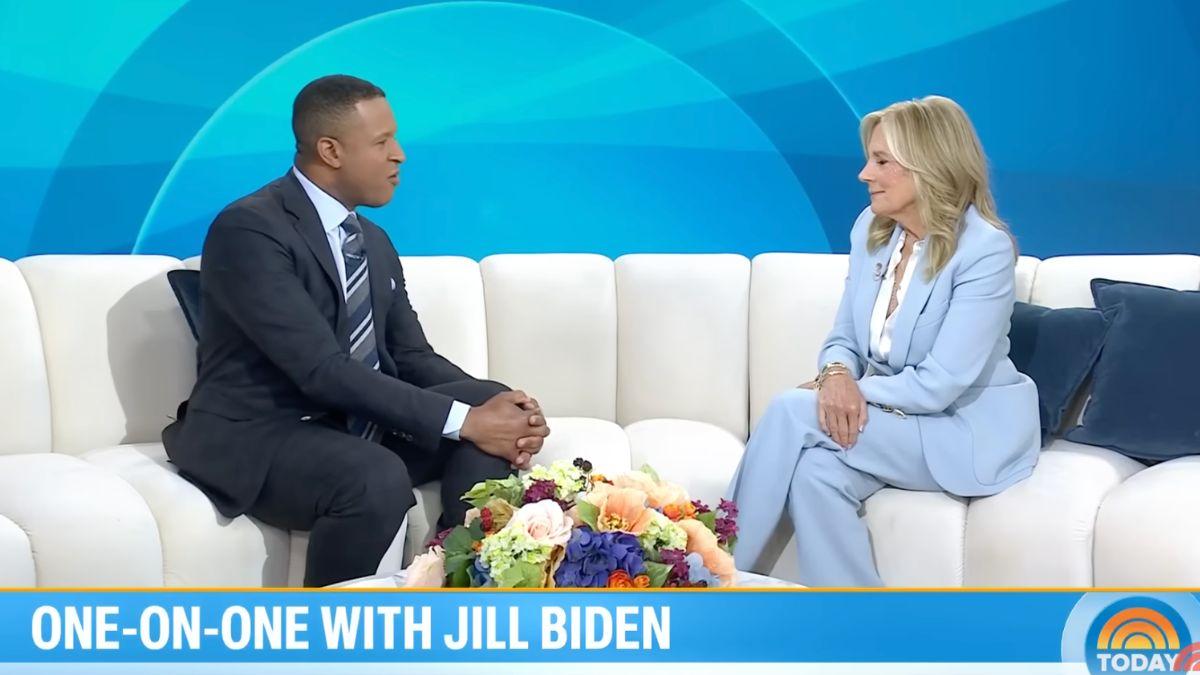
Jill Biden claimed that doctors had assured her that Joe Biden was healthy enough to run. “The doctors did assured us he was healthy,” she told the NBC anchor. “And I saw him doing the job every single day. Every single day, he got up, he went into the office, he did the job, he passed bipartisan legislation. I saw him work hours into the night. Yes, I did see him slowing down a little bit when he got tired. Did he stutter a little bit at night? Yeah, sure, but he was still doing the job, and he was doing a good job.”
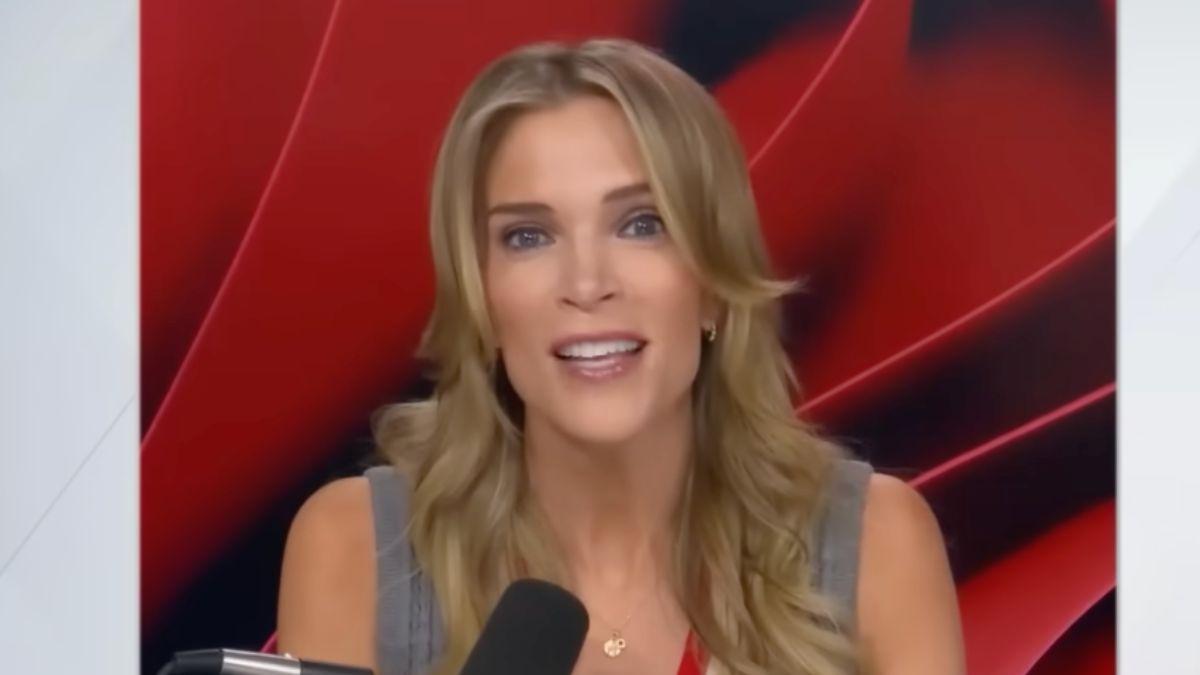
Megyn further criticized Jill on her podcast, claiming she “bullied every member of the Democrat party who was even mildly critical of him on the mental health question, both before and after the debate.”
“The nerve of her to bully everyone, and now admits she totally shared their viewpoint,” Megyn stated. “The Democrat party is apologetic right now for the fact that Donald Trump is president, and they hate everything he’s doing because of Joe Biden.”
Key Points in the Debate
- Health Concerns: Joe Biden faced significant scrutiny over his health during the 2024 election cycle. His decision to withdraw from the race was attributed to these concerns.
- Book Promotion: Jill Biden used her appearance on the Today show to promote her memoir, View From the West Wing: A Memoir.
- Public Perception: The former first lady emphasized that doctors had assured her of her husband’s health, despite visible signs of fatigue and occasional speech issues.
- Political Tensions: Megyn Kelly highlighted the internal conflicts within the Democratic Party, suggesting that some members were critical of Biden’s mental health but later aligned with Jill’s stance.
Public Reaction and Media Coverage
The discussion around Joe Biden’s health has sparked considerable media attention and public debate. While some supporters stand by the former president, others have raised concerns about his ability to lead effectively. Jill Biden’s recent comments and book promotion have reignited these discussions, adding another layer of complexity to the political landscape.
Implications for the Democratic Party
The internal dynamics of the Democratic Party are under the microscope, with some members expressing frustration over the party’s direction and its response to the current administration. The criticism from figures like Megyn Kelly reflects broader anxieties about leadership and accountability within the party.
Conclusion
The ongoing conversation about Joe Biden’s health and the subsequent reactions from figures like Jill Biden and Megyn Kelly illustrate the challenges of navigating public perception and political responsibility. As the nation continues to grapple with these issues, the role of media and public discourse remains pivotal in shaping the narrative around leadership and governance.