A Unique Approach to Mental Health Care
In the heart of Ville-Evrard, a hospital complex located east of Paris, there is a unique and unconventional approach to mental health care. Instead of traditional methods, patients are encouraged to interact with donkeys as part of a therapeutic programme that has been making waves since 2016. This initiative, known as the donkey therapy unit, is one of a kind in France and has proven to be an effective way to support patients dealing with various mental health challenges.
The Donkey Therapy Unit
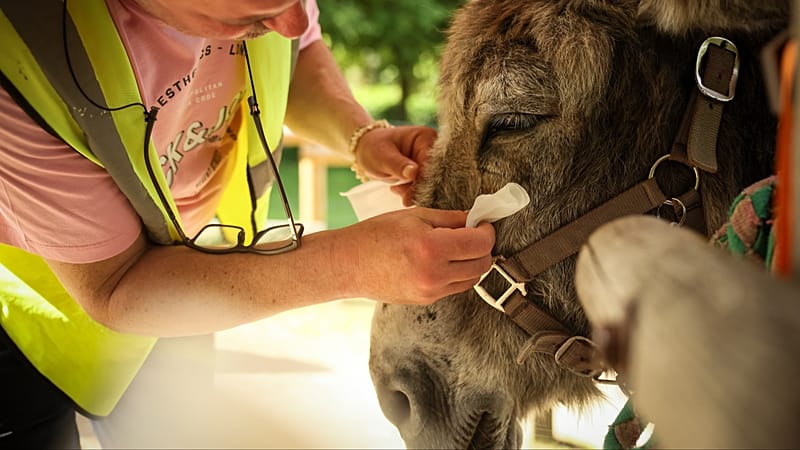
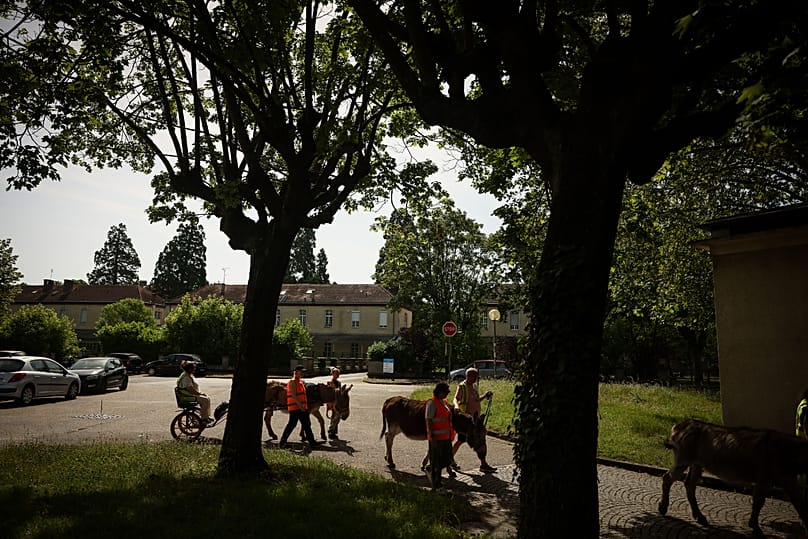
The donkey therapy unit is nestled within the grounds of the hospital, surrounded by 19th-century farm buildings and woodland. Five donkeys — Nono, Pitou, Oscar, Manolo, and Malraux — play a significant role in this programme. They are not just animals; they are integral parts of the treatment process, offering comfort and connection to patients who may struggle with conventional therapies.
Ermelinda Hadey, a psychiatric nurse, and her husband François launched the programme on the belief that donkeys, known for their calm and social nature, could connect with patients in ways that traditional treatments often cannot. Their vision has become a reality, with the programme gaining recognition and support over the years.
Patient Experiences
Patients at the hospital are paired with a regular companion donkey, allowing for a growing sense of familiarity and trust. For many, this bond is transformative. Nathalie, a 60-year-old patient, describes the experience as “animal medicine,” highlighting how it brings relief and helps her focus on the present moment.
Nurse Audrey Seffar notes that the donkeys serve as mediators, helping patients overcome their initial hesitations. She shares the story of Nathalie, who initially refused to leave the cart provided for patients with physical difficulties. However, through encouragement and the presence of the donkey, she was able to stand beside her companion, marking a significant milestone in her recovery journey.
Another patient, Jérôme, 52, credits the programme with reducing his feelings of loneliness. He finds value in the activities and interactions that the programme offers, which help him break away from the routine of treatment and medication. For Jérôme, staying at home is not beneficial, and the donkey therapy provides a much-needed change of scenery and perspective.
Emotional Sponges
Some of the donkeys at Ville-Evrard have experienced neglect or mistreatment before being adopted through shelters. François Hadey, who trained them for therapy work, speaks highly of their intelligence and ability to connect with patients. He describes them as emotional sponges, capable of understanding and responding to human emotions.
“A donkey is very intelligent. It understands things very quickly, but you have to explain slowly,” he said. “Donkeys are calm, serene animals that are generally close to people. Once they’re involved in these interactions, they connect very well with patients.”
Expansion and Support
In 2022, the programme gained official status as a healthcare unit, allowing it to employ three full-time nurses and receive support from volunteers at a nonprofit organisation. This recognition has enabled the programme to expand its reach, incorporating smaller animals such as guinea pigs, chickens, doves, goats, turtles, and rabbits. These animals are brought directly to hospital rooms for patients who are unable to participate in outdoor sessions.
Sessions are free for patients and funded by France’s public health system. They are designed as therapeutic interventions for individuals living with anxiety, depression, autism, schizophrenia, and other conditions. Staff report improvements in emotional regulation, communication, and self-esteem among participants.
Mirror Logic
Ermelinda Hadey describes the work as operating by a kind of mirror logic: caring for an animal creates the conditions for patients to care for themselves. This philosophy is evident in the daily activities, where feeding the animal helps address the patient’s own eating habits, and maintaining the animal’s hygiene leads to improved personal hygiene for the patient.
For many patients, antipsychotic medications or sedatives can flatten motivation entirely. In these cases, the donkeys play a crucial role in helping patients regain confidence and a sense of self-worth. While the therapy does not replace medical prescriptions, it serves as a valuable complement to traditional treatment.
The Case for Recognition
Despite its success, animal therapy remains on the fringes of formal psychiatric practice. The team at Ville-Evrard aims to change this perception by advocating for more research and recognition. Ermelinda Hadey highlights the need for studies to validate the benefits observed in patients and caregivers.
Nursing student Alicia Fabi, 18, notes that patients return from sessions visibly different, often feeling good, calm, and relaxed. This positive feedback underscores the impact of the programme and its potential to transform lives.
As Friday’s session came to an end, patients chatted in the afternoon light, reflecting on the experience. A nurse offered what may be the unit’s unofficial motto: “Donkeys are my best colleagues.” This sentiment captures the essence of the programme and the profound connection between the patients and the donkeys.