A Historic Site Under Threat
For generations, Aboriginal Elders have spoken of the waters at Brisbane’s Victoria Park as a place of healing. This heritage-listed site, known as Barrambin to the local First Nations people, has been central to their culture and traditions. However, the area is now facing significant changes as work begins on the $3.8 billion 2032 Olympic main stadium.
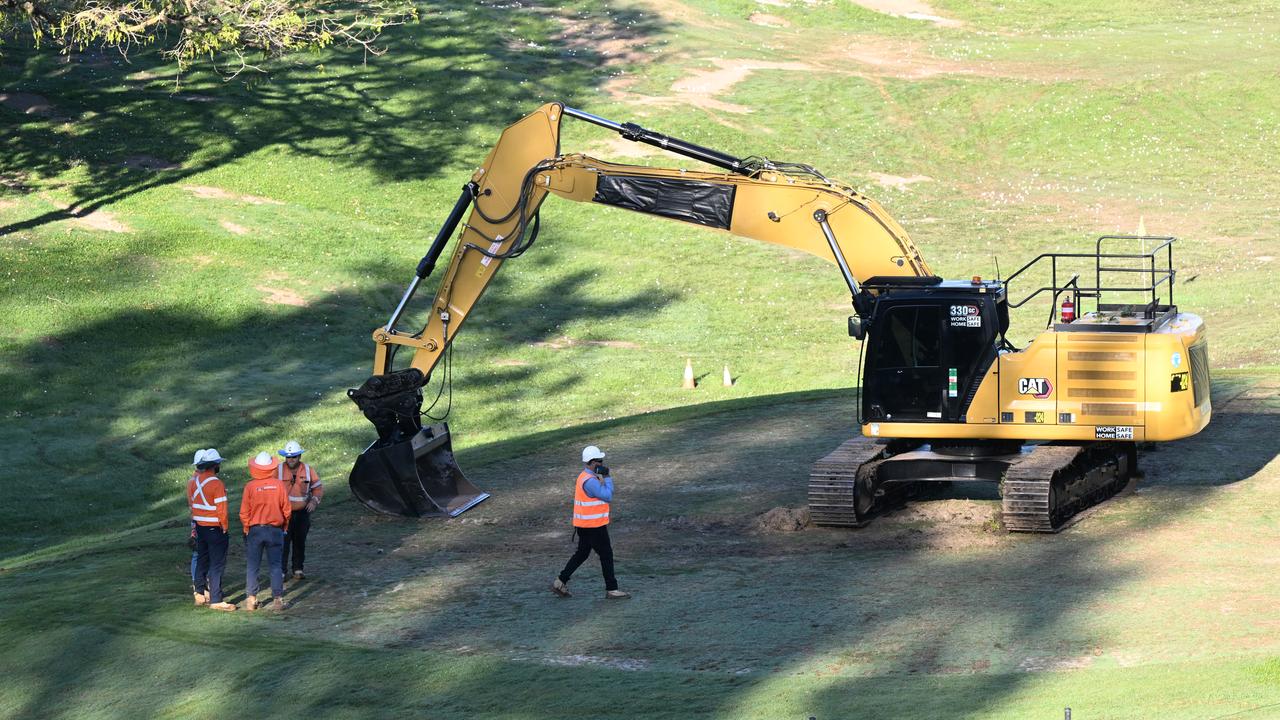
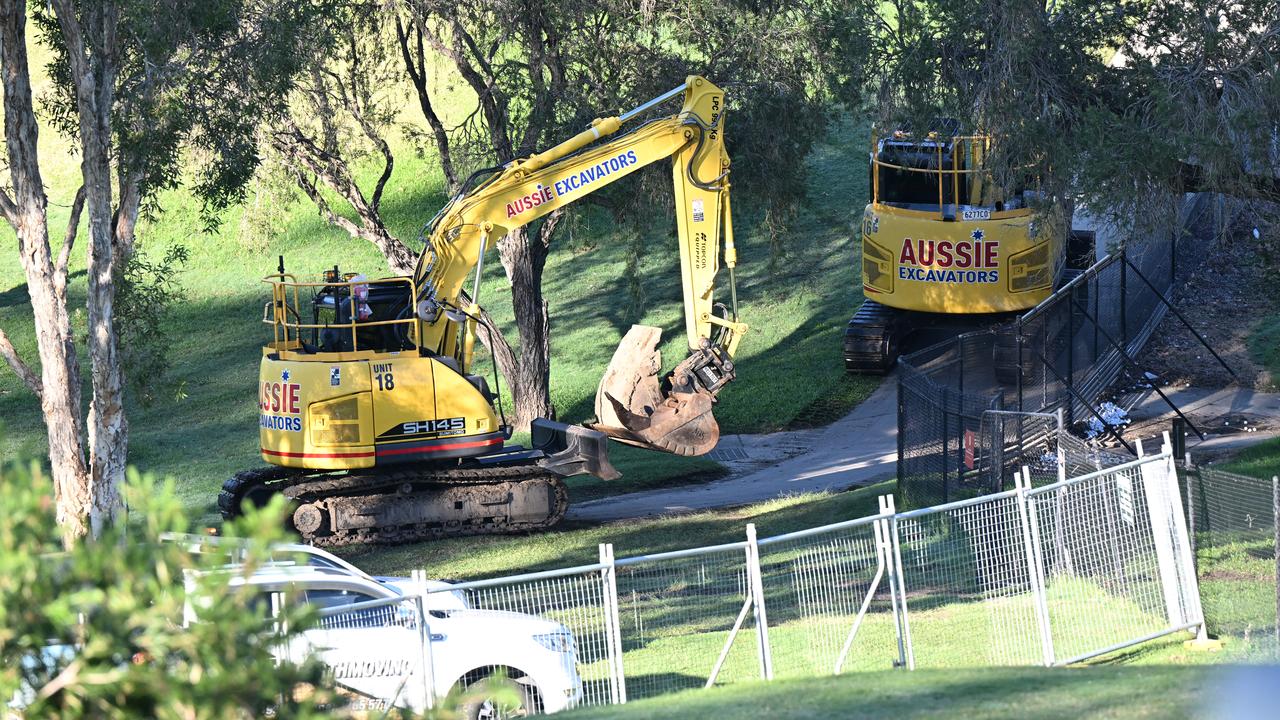
On Monday, the “healing waters” were surrounded by fencing, earth-moving machinery, and police as construction started on the stadium. Before dawn, officers cleared the last protesters from the park near the city’s CBD, allowing the Games authority to take control of the site almost five years after Brisbane won its Olympics bid.
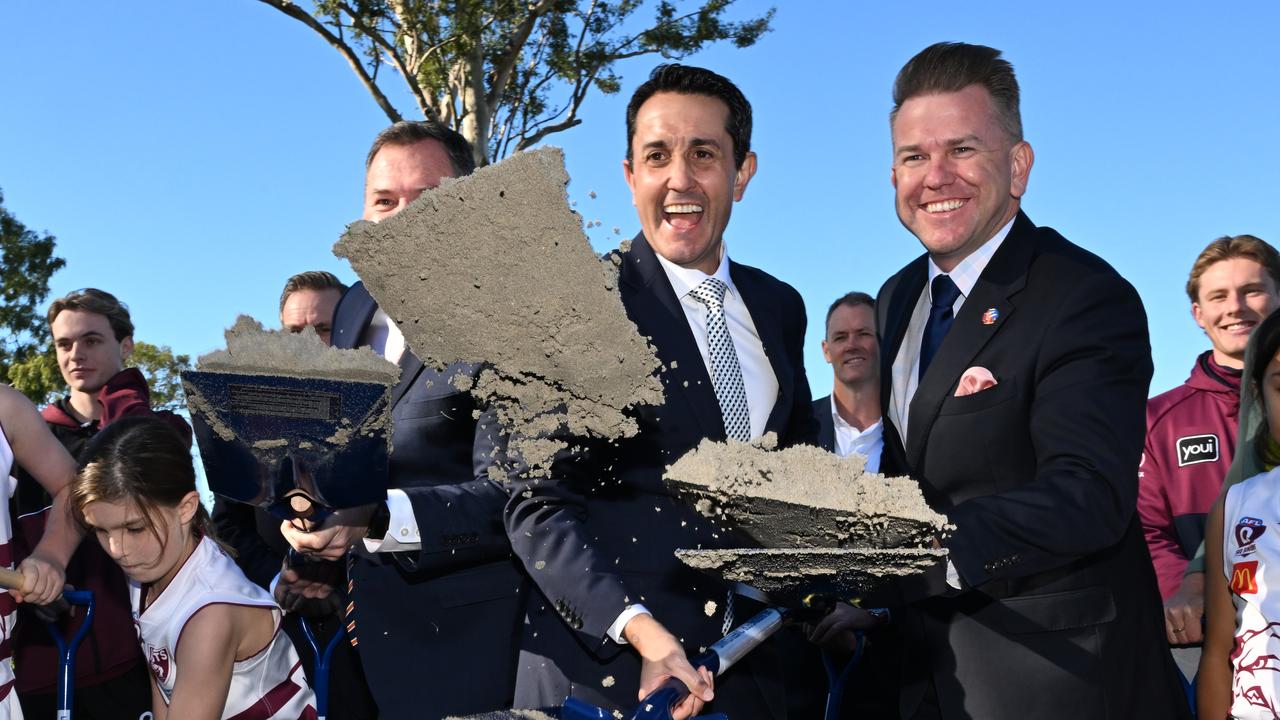
By mid-morning, long-time users of the park stood behind barricades as Premier David Crisafulli turned the first sod, declaring “it’s game on.” He emphasized that Victoria Park would become the beating sport, cultural, and green heart of Brisbane, a place all Queenslanders can be proud of.
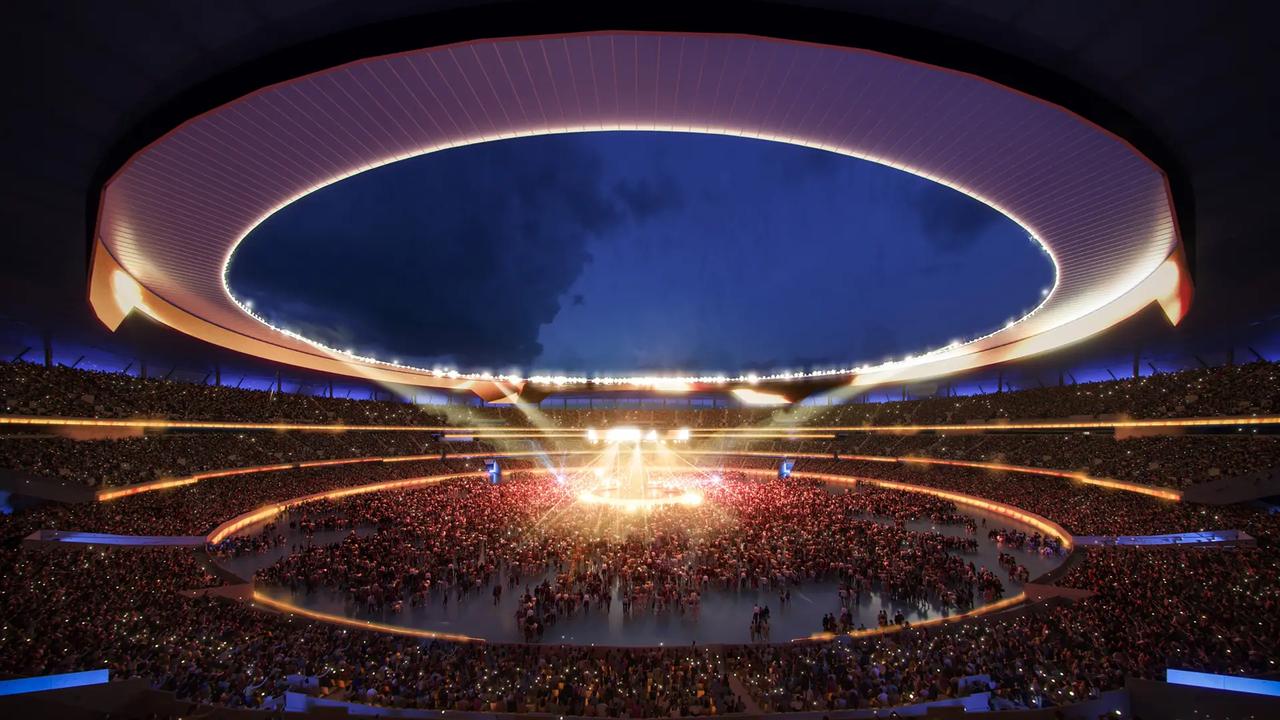
The Games authority is working under tight deadlines to complete the 63,000-seat stadium, which will serve as the centerpiece of the 2032 Games, hosting the opening and closing ceremonies and athletics events.
Cultural Significance and Concerns
Yagara Elder Gaja (Aunty) Kerry Charlton highlighted the deep cultural significance of Victoria Park, stating that it was far more than a patch of grass earmarked for redevelopment. For her people, the springs were sacred, often revered as places for healing.
“This was our water reserve, our special site. Our people gathered here – it was like a village, with burial sites, birthing sites, ceremonial sites,” she said.
The premier promised that over two-thirds of the area would remain public green space. However, Gaja Kerry emphasized that the park’s towering, centuries-old trees and its last remaining uncapped spring are part of a living cultural and ecological system that connects everyone through story and ceremony.
“They talk about green space, but they don’t understand what they’re taking,” she said. “Once these springs and these old trees are gone, they’re gone forever.”
Protests and Public Sentiment
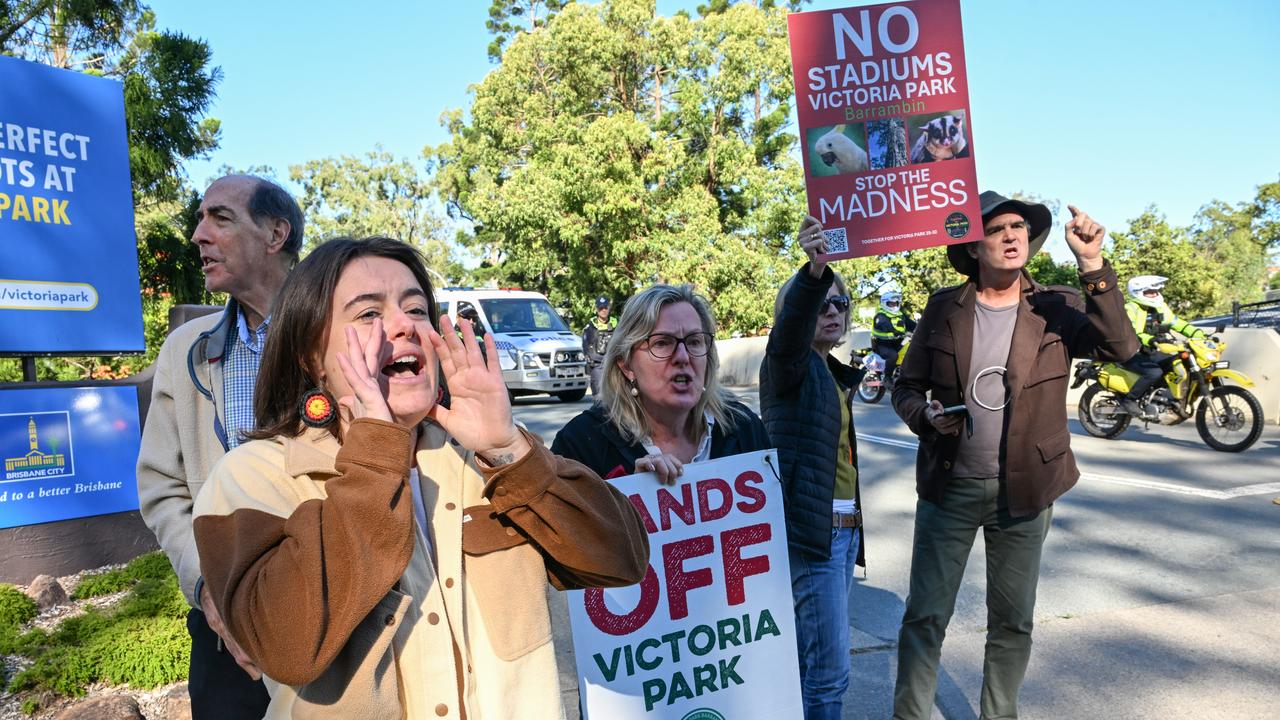
The mood on Monday was quieter than on Friday, when five people were arrested as protesters camping in the park were moved on. With fencing surrounding the construction zone, about 20 police officers guarded the park’s main entrance as machines moved in on Monday.
A handful of protesters arrived at the main entrance, expressing their concerns. Andrea Lunt, organizer of Save Victoria Park, stated, “We’re not an anti-Olympics group, but we don’t support the Olympics in its current form, which is going to take away precious green space – and cultural space – from future generations.”
Indigenous Elders have declared Victoria Park a place of importance for many First Nations peoples and are pushing for their concerns to be heard as national Aboriginal heritage laws are tested.
Government Response and Ongoing Debates
Federal Environment Minister Murray Watt confirmed he had received 10 applications seeking to protect a significant Aboriginal area at the park “under threat of injury or desecration.” Two have been declined, with the remainder still under consideration.
Senator Watt stressed that any cultural heritage declaration would not be a veto on the stadium. “People seem to think that these are stop work orders, and they’re not,” he told ABC Radio Brisbane.
Gaja Kerry lamented Victoria Park’s plight after a heritage-listed state school was spared when a 2032 Gabba redevelopment plan was scrapped after protests. “We saved a 100-year-old school,” she said. “Now they’re willing to destroy a place that has held our stories and our springs for thousands of years.”