A New Approach to Self-Defence
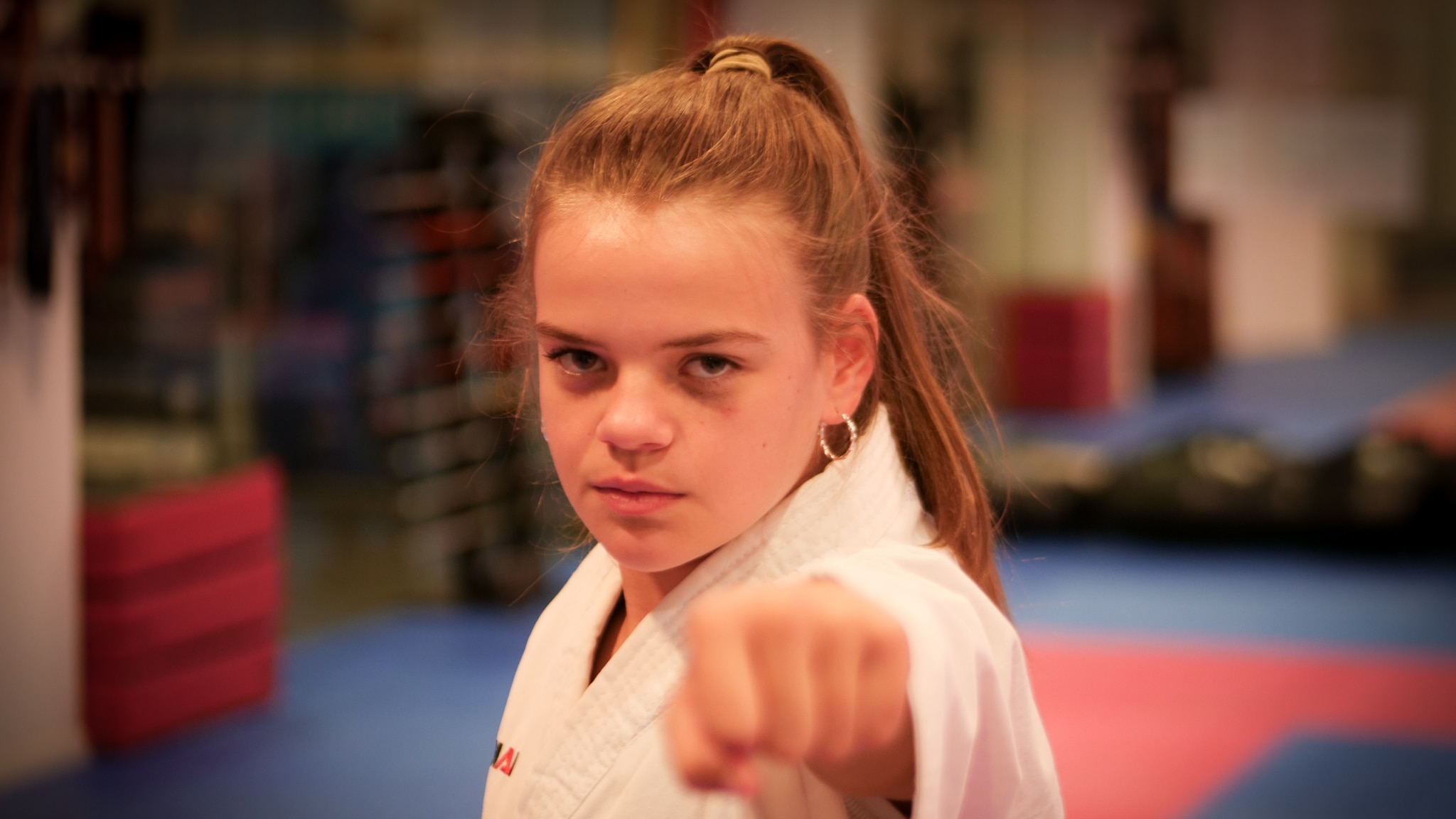
Savannah Last has been practicing karate since she was just two years old. However, a traumatic incident last year outside her local supermarket on the NSW Central Coast left her feeling “hopeless.” The 12-year-old was attacked by a group of teenagers and suffered severe bruising and a concussion after being kicked in the shoulders, ribs, back, and head.
“I was upset that I didn’t defend myself,” she said. In the days following the attack, Savannah felt scared to go to the shops or even leave her home.
This experience motivated her to join a new self-defence program called Guardian Girls Karate (GGK). The initiative aims to go beyond traditional martial arts by focusing on everyday safety, empowering women and girls with practical skills to feel more confident and secure.
Practical Skills for Real-World Scenarios
Savannah quickly embraced the program, and her mother and grandmother also joined in. Although she already had a karate black belt, GGK introduced her to new techniques such as hair grabs, chokeholds, shields, and how to protect her head and deliver effective strikes.
Her mother, Samantha Neave, shared how the experience changed her perspective on personal safety. “Walk strong, speak strong; everything we do is with purpose,” she said.
A Global Initiative with Local Impact
Guardian Girls Karate is an international program supported by the World Karate Federation and the United Nations, with a focus on combating gender-based violence. Liz Mahler, a highly experienced karate instructor from the Central Coast, has tailored the course for Australian participants.
The eight-week program is trauma-informed and includes an in-depth manual for instructors. Mahler described the program as a culmination of essential skills for both the body and mind, particularly in moments of pressure, stress, or violence.
According to the federal government’s latest Status of Women Report Card, two in five Australian women have experienced violence since the age of 15. Mahler emphasized the importance of showing women and girls their strength.
“We’re going to show them that they can be physically, mentally and psychologically strong to look after themselves,” she said.
She also noted that the program is “more gritty” than regular karate, focusing on strikes that are effective for any body size while minimizing the risk of injury.
More Than Just Physical Defence
The program isn’t just about physical self-defence. It also includes elements of physical awareness and prevention, mind and breath control, and psychological wellbeing.
Community Safety Efforts
Guardian Girls Karate has received support from Stand With Audrey, a Central Coast-based advocacy group focused on community safety. The group was formed after the tragic murder of 19-year-old Audrey Griffin last year while she was walking home after a night out near Gosford.
Stand With Audrey promoted the GGK course at a large community vigil held in memory of Audrey. The group has also secured a NSW government grant to run the program in two Central Coast high schools.
Audrey’s mother, Kathleen Kirby, expressed her belief that no amount of education is enough. “Just to have the knowledge that we’re not living in a perfect world,” she said.
Expanding Across Australia
Griffith University on Queensland’s Gold Coast was the first in the country to adopt the Guardian Girls Karate program, with courses now available for staff and students. As part of changes to the higher education sector this year, new standards have been set to address gender-based violence.
Patrick O’Leary from the Australian Research Council (ARC) Centre of Excellence for the Elimination of Violence Against Women praised the program’s alignment with national frameworks. However, he warned that keeping women safe is a broader responsibility that involves men and boys taking an active role in creating safe environments.
Since its launch in 2022, the Guardian Girls Karate initiative has expanded to 22 countries and trained over 2,000 women and girls.