A New Perspective on Endometriosis
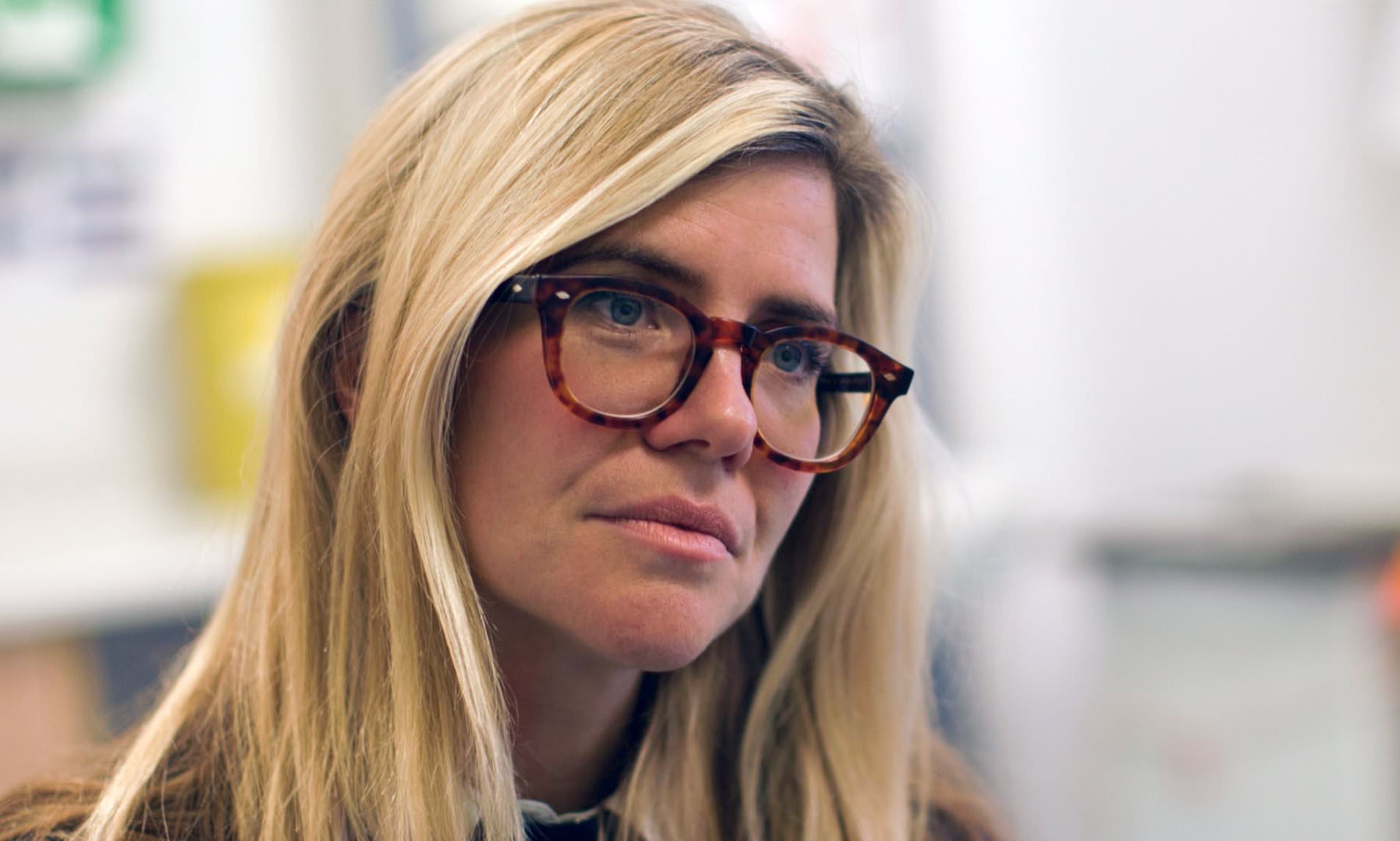
Emma Barnett’s documentary, Fighting Endometriosis, offered a powerful and personal insight into the struggles of women dealing with this often misunderstood condition. The programme, which aired on BBC2, was a compelling exploration of both her own experiences and the broader impact of endometriosis on women’s lives.
The documentary began with a reflection on Marilyn Monroe, who would have turned 100 years old. While many celebrated her legacy, Barnett used this moment to highlight a different side of the iconic actress. She pointed out that Monroe’s well-known smile masked a lifetime of pain, much of which may have been caused by endometriosis. This condition, where tissue similar to the lining of the womb grows outside the uterus, can cause severe pain and is often misdiagnosed or overlooked.
Barnett explained that for many years, she believed the pain she experienced since puberty was psychological, linked to her childhood and relationships. However, after being diagnosed with endometriosis ten years ago, she realized the true nature of her suffering. The condition, which affects millions of women globally, is as common as asthma but remains poorly understood by many.
Understanding the Condition
Endometriosis occurs when tissue similar to the lining of the uterus grows in other parts of the pelvis, leading to painful sores and lesions. These symptoms can be mistaken for regular period pain or other conditions such as appendicitis or irritable bowel syndrome. The lack of awareness and understanding has led to delays in diagnosis and treatment, often leaving women to suffer in silence.
Barnett described her experience with the condition in vivid detail, comparing the pain to “having a drill inside my stomach that is going down and into my organs.” This level of description helped viewers understand the severity of the condition and its impact on daily life.
Despite the challenges, there are options available for those affected. Surgery is the primary treatment, involving the removal of inflamed tissue or, in severe cases, a hysterectomy. However, access to these treatments can be limited, especially within public healthcare systems.
Personal Struggles and Broader Implications
Barnett shared her own journey through the condition, including her decision to consider a hysterectomy. She also highlighted the emotional toll it takes on women, particularly those who wish to become mothers. One woman, Chloe, spoke about the desperate measures she took to seek treatment, including paying for private care in Dubai due to long waiting times in the UK.
Chloe’s story was heartbreaking. Despite her efforts, she still experiences pain and feels she cannot provide a stable environment for a child. Her words, “I just want everything out,” reflected the deep frustration and despair many women face.
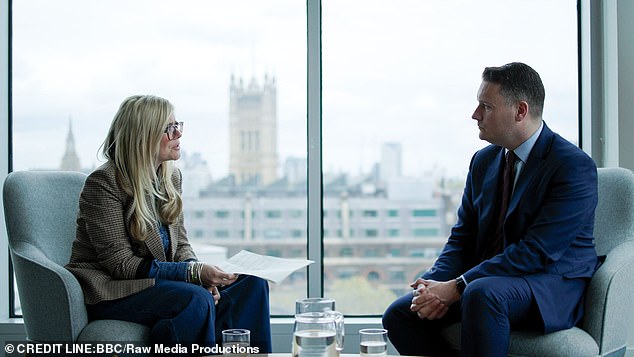
Barnett expressed anger at the medical community’s failure to recognize the severity of endometriosis. She even confronted Labour’s Wes Streeting, the health secretary at the time, during the programme, highlighting the need for better awareness and support for women with this condition.
Raising Awareness and Seeking Change
Through her documentary, Barnett aimed to shine a light on endometriosis and encourage more research and support for those affected. She emphasized the importance of early diagnosis and proper treatment, stressing that this condition should not be dismissed as just “bad periods.”
The programme served as a wake-up call for many viewers, offering a new perspective on a condition that has long been misunderstood. By sharing her personal story and those of others, Barnett hoped to spark a conversation about the need for better healthcare and greater empathy for women experiencing chronic pain.
Her efforts have already begun to make an impact, with increased awareness and discussions around endometriosis gaining momentum. As more people learn about this condition, the hope is that better support and treatment will become more accessible for all women affected.