The Magic of Film Festivals
Film festivals have always been more than just a showcase of movies. They are vibrant events that bring together creators, audiences, and industry professionals in a shared space of cinematic discovery. From the thrill of screenings to the excitement of meeting filmmakers, these festivals create a unique atmosphere where cinema becomes a communal experience.
In Australia, the Sydney Film Festival (SFF) and the Melbourne International Film Festival (MIFF) are two of the most anticipated annual events in the film calendar. These festivals not only highlight the best of global cinema but also play a crucial role in building anticipation and excitement among attendees. The buzz surrounding these events is often fueled by major international film festivals such as Cannes, Sundance, Berlin, and SXSW in Austin.
Anticipation as Currency
For SFF and MIFF, anticipation is just as important as the films themselves. It’s a key factor in attracting patrons and creating a sense of urgency around festival programming. This anticipation is often sparked by the presence of films that have premiered at international festivals, which can significantly influence the festival’s lineup and audience expectations.
One example of this is the Sydney Film Festival, where under the leadership of Festival Director Nashen Moodley, the program has grown substantially in recent years. This year, for instance, SFF has added several new films that world-premiered at Cannes just weeks before the festival began. This strategy not only enhances the festival’s offerings but also creates a sense of exclusivity and excitement among attendees.
The Impact of Cannes on SFF
The 2026 SFF line-up includes a significant number of Cannes films, with 28 titles now part of the festival. Among them are winners of prestigious awards such as the Palme d’Or, Grand Prix, Jury Prize, Best Director, and Queer Palm. These films are highly anticipated, and their inclusion in the festival adds to the overall appeal and prestige of the event.
Moodley highlights the pressure that comes with securing these films before they even debut at Cannes. “It’s no easy task, let me tell you,” he says. “But it’s quite incredible because what it does is provide the people of Sydney and people attending the Sydney Film Festival – they’re usually the first public audience in the world to be able to see these films.”
The Role of International Festivals
Melbourne International Film Festival (MIFF) also benefits from the exposure generated by international film festivals. Artistic Director Al Cossar notes that being part of the first audience to see these films is a major draw for MIFF patrons. He describes these films as “festival blockbusters” due to their high profile and popularity.
Cossar also emphasizes the importance of how these films are covered in the media. “Cannes is covered in every kind of news show, current affairs show, everything,” he says. “That’s sort of the peak of those ideas for a lot of general audiences.”
Why Audiences Buy Tickets
When it comes to choosing which films to watch, audience preferences are diverse. According to Moodley, the most common factor influencing decisions is the synopsis of the film. However, other factors such as the country of origin, director, and cast also play a role. Social media platforms like Letterboxd have also become influential in shaping audience engagement and conversations around films.
Australian Films and Overseas Approval
The success of Australian films often hinges on their reception at international festivals. For instance, the debut feature Leviticus by Adrian Chiarella was snapped up by US distributor Neon after its Park City premiere and is now the only Australian title in SFF’s 13-movie 2026 Official Competition. While the film’s Sundance history may have contributed to its attention, Moodley notes that there is strong support for Australian films regardless of their international exposure.
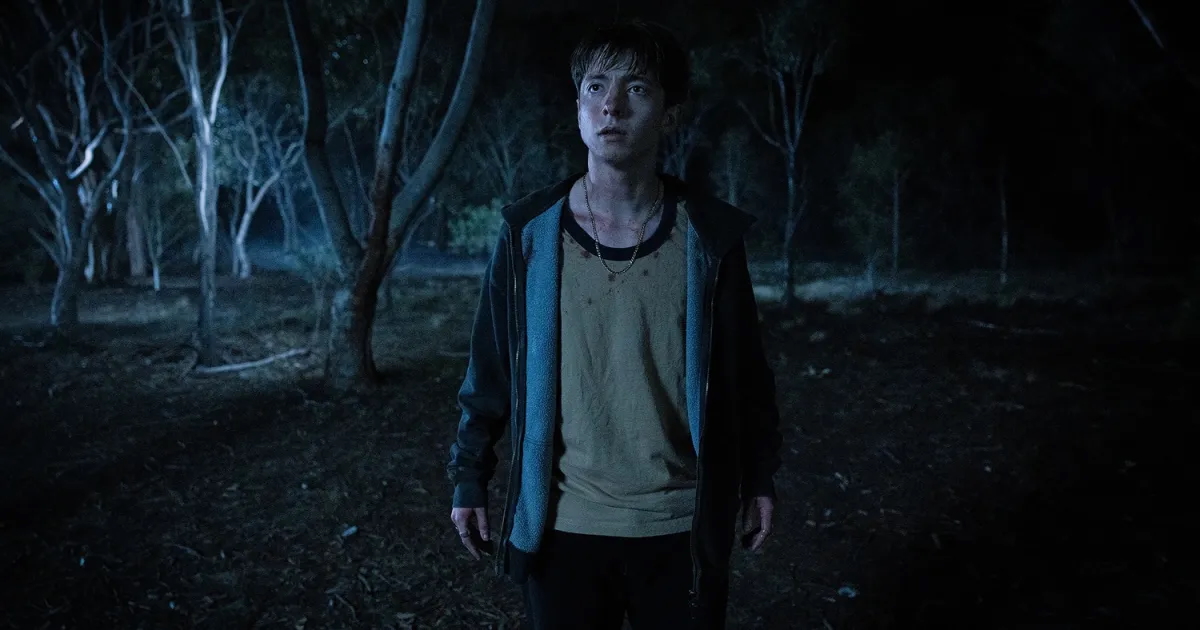
Chiarella shares his excitement about screening Leviticus at SFF, calling it a “dream come true.” He also highlights the impact of the audience’s response, noting that horror fans at Sundance were incredibly engaged and enthusiastic.
New Paths and Audiences
While some Australian films benefit from international premieres, others find success through local appeal. Cossar points out that some films, like But Also John Clarke and Signorinella: Little Miss, gained popularity due to their strong local connections rather than international exposure.

At the 2026 Sydney Film Festival, one of the hottest tickets is Jane Schoenbrun’s Teenage Sex and Death at Camp Miasma. While the film’s Cannes presence and Queer Palm win may have contributed to its popularity, Moodley acknowledges that it’s difficult to quantify the exact impact of these factors.

Conclusion
As SFF and MIFF continue to evolve, they remain vital platforms for showcasing global cinema and fostering a sense of community among film enthusiasts. With their growing audiences and expanding programs, these festivals not only celebrate the art of filmmaking but also play a crucial role in shaping the future of cinema in Australia and beyond.
Sydney Film Festival runs at cinemas across Sydney from 3 to 14 June.
Melbourne International Film Festival runs 6 to 23 August.