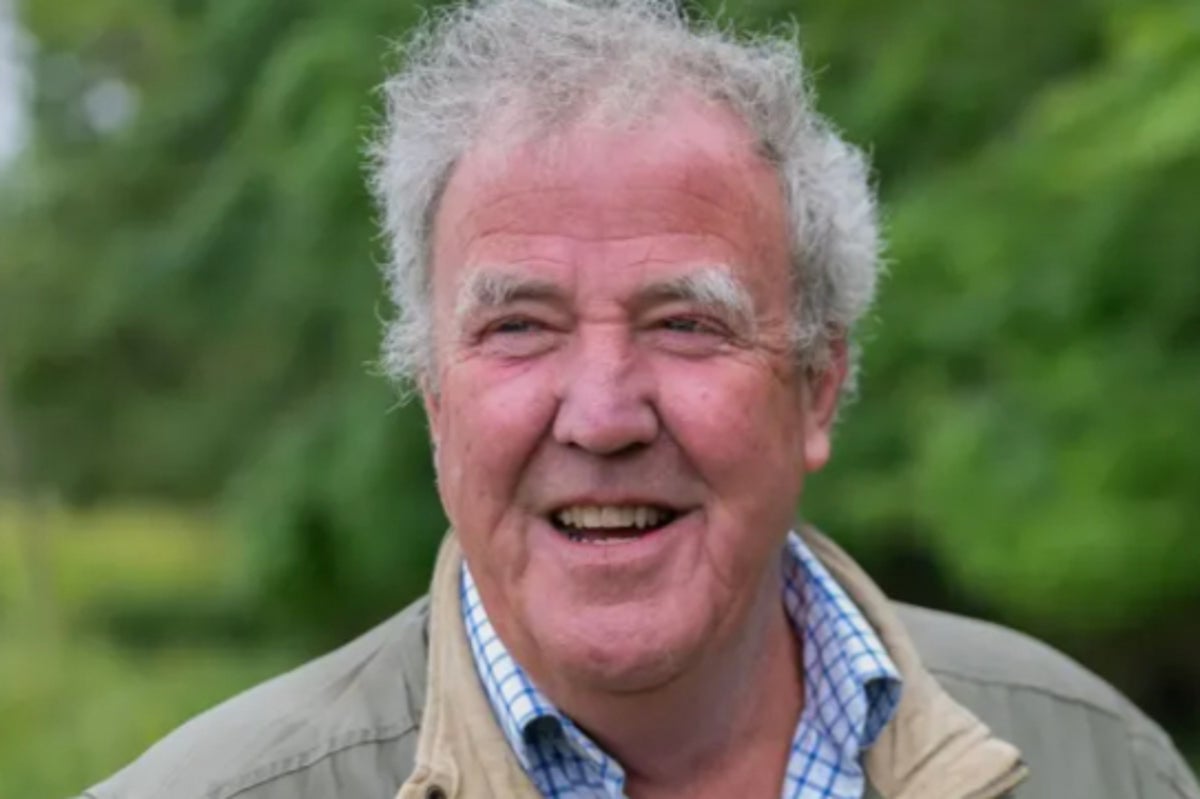
“I’m back and not dead,” Jeremy Clarkson declares at the start of the new series of Clarkson’s Farm. “It was f*ing close though.” He is referring to a blocked artery that required an urgent heart procedure in 2024, but he might as well be talking about his reputation. Time and again, Clarkson has managed to pull back from the brink, much like Michael Caine sliding across the coach floor in The Italian Job. But are the British public being misled by this affable, agricultural version of Clarkson? Where has the provocateur gone? Is the fifth season of the show nothing more than an exercise in “farmwashing”?
Clarkson’s move to Amazon has been a successful way to divert attention from the controversies that made him unpalatable at the BBC. For years, he flirted with breaking the organisation’s impartiality guidelines. He referred to then-Prime Minister Gordon Brown as a “one-eyed Scottish idiot,” called the Welsh language “a silly maypole around which a bunch of hotheads can get all nationalistic,” and faced criticism for his casual attitude towards road safety.
In 2015, he was suspended from Top Gear after a physical altercation with Oisin Tymon, a producer on the show, left Tymon with a bleeding lip. It was a brutal incident that would have ended most careers. However, it marked the end of Clarkson’s time as a public broadcaster, but also gave Amazon the opportunity to sign him up for The Grand Tour and later Clarkson’s Farm. From an accountant’s perspective, it was the best thing that ever happened to him.
While The Grand Tour ran its course after six seasons, Clarkson’s Farm has allowed him to fully reinvent himself. It is a personal project, similar to the PR success of Ryan Reynolds and Rob McElhenney’s purchase of Wrexham and the Disney+ series Welcome to Wrexham. The show has given him a chance to rebuild a reputation tarnished by accusations of buffoonish bigotry.
In 2011, the Indian High Commission complained about “tasteless jibes” made during a Top Gear special in the country. In 2014, he apologised for muttering a racial slur in an unaired episode. That same year, he caused a diplomatic incident by driving a car in Argentina that appeared to have a provocative license plate referencing the Falklands War. For a while, it seemed like social norms were turning Clarkson into a relic, undesirable to major broadcasters.
Yet Amazon, his new employer, has remained loyal through thick and thin. In 2022, he wrote in The Sun about Meghan Markle, the Duchess of Sussex, calling her “a hate figure” and expressing a desire for her to be paraded naked through British towns. These comments, which he later apologised for, were rumoured to have jeopardised his deal with Amazon, but instead of cancellation, a fourth series was announced.
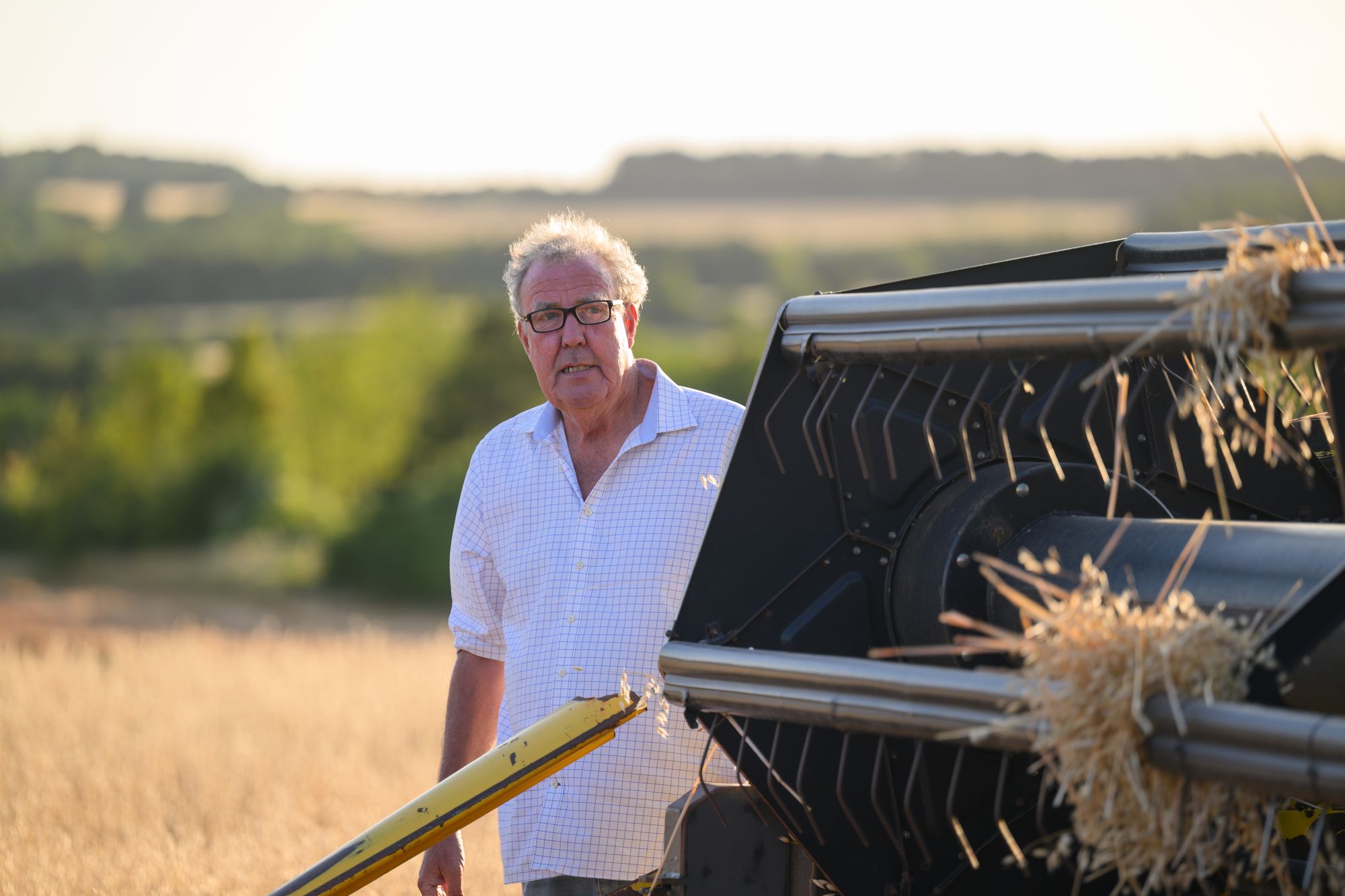
Perhaps part of the reason for this was that the show became Amazon’s most-watched UK series, and it also gained a significant following in China, giving it a unique appeal. The show has performed well across demographics, even if some find Clarkson boorish, yet they still think it is very entertaining. Amazon’s continued support suggested that Clarkson had become too big to fail. It also hinted at a worrying shift in editorial policy within media companies owned by Jeff Bezos, a change evident in the recent treatment of The Washington Post.
Four years later, we are watching the fifth season of a docuseries that shows no signs of ending. In fact, Clarkson has used the show as a platform for success in the hospitality sector, with the popularity of his pub, The Farmer’s Dog, causing traffic chaos on the A40. He has also become involved in lobbying. The fifth season sees him leading a group of angry farmers, upset by the “astonishing attack on British farming” announced by Chancellor Rachel Reeves, into central London. He is a convincing populist, a natural rebel who has finally found a cause.
There is an ironic twist in the protests, which highlight legitimate concerns about the future of the farming industry, being broadcast on Amazon, a company that has done more than any other to destroy small businesses and harm British highstreets. This contradiction is part of the Clarkson project. His brand is crotchety authenticity; his medium is reality TV. Yet Clarkson’s Farm, like Top Gear and The Grand Tour before it, is a fabrication. The fake camaraderie with farm manager Kaleb, the domestic arguments with partner Lisa, and the impulse purchases (new tractors, new sheep, new pubs) all serve to build the narrative. This is not the story of life on a real British farm. It is Clarkson’s farm, where each episode delivers another bombshell.
As always, it is effective entertainment. The fifth season demonstrates Clarkson’s skill in engaging with real people in the farming community. He is an articulate spokesperson for them (“you lot got a knee in the nuts!” he tells farmers gathered on Whitehall to protest the budget), and perhaps he genuinely cares about the cause. But he is also transforming the community’s struggles into an entertainment package for the benefit of the Clarkson brand and the Amazon empire. Just as lower league football clubs and their fans have started to question the glamorous Wrexham initiative, it may be time for the farming community to ask whether Clarkson’s Farm is simply making hay while its celebrity frontman shines, or salting the earth for real, breadline agrarian businesses.
‘Clarkson’s Farm’ season five premieres on Prime Video on 3 June.