The Legacy of “American Pie” and the Music Dying Again
In 1971, Don McLean penned an eight-and-a-half-minute elegy that captured the essence of a lost American soul. His song “American Pie” begins with the tragic plane crash in an Iowa cornfield in 1959, which claimed the lives of rock legends Buddy Holly, Ritchie Valens, and the Big Bopper. However, the song was never solely about the crash. It was a reflection on what followed: the loss of innocence, the corruption of joy, and the moment when a culture ceases to believe in its own music. McLean famously referred to this as “the day the music died.”
Fast forward nearly 55 years, and Donald Trump is experiencing his own version of “bye-bye Miss American Pie.” This ironic moment is unfolding on the National Mall, where the cultural landscape seems to be shifting once again.
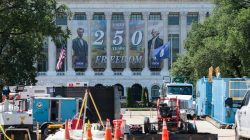
If the music died in a cornfield in February 1959, it appears it might be dying again—this time briefly—on the National Mall in June 2026. The White House-affiliated organization “Freedom 250” has announced the lineup for the Great American State Fair, a 16-day patriotic event set to take place on the Mall from June 25 to July 10. This event is billed as America’s grand 250th birthday celebration.
However, the excitement surrounding the fair has been overshadowed by a series of high-profile withdrawals from the initial lineup. The same organization responsible for hosting a blood-and-guts UFC match on the White House lawn on June 14 has now faced a wave of cancellations.
The original lineup included Martina McBride, Young MC, Morris Day and the Time, the Commodores, C+C Music Factory, Bret Michaels, Milli Vanilli, Flo Rida, and Vanilla Ice. But within days of the announcement, half of these artists began pulling out, leading to panic among organizers.
Morris Day and the Time were the first to drop out, simply stating, “It’s a no for me.” Young MC followed, expressing that he had not been informed of any political involvement with the event. Milli Vanilli’s surviving original vocalist was shocked to see the group’s name on the bill. Then, the headliner, Martina McBride, also walked away, claiming she had been misled about the event’s nature.
Of the original performers listed, only two are still participating, and they are not worth mentioning. In response, Trump took to Truth Social to announce a replacement act, declaring, “DONALD J. TRUMP, to take the place of these highly paid, Third Rate ‘Artists,’ and give a major speech, rallying the Country forward like I have done ever since being President!”
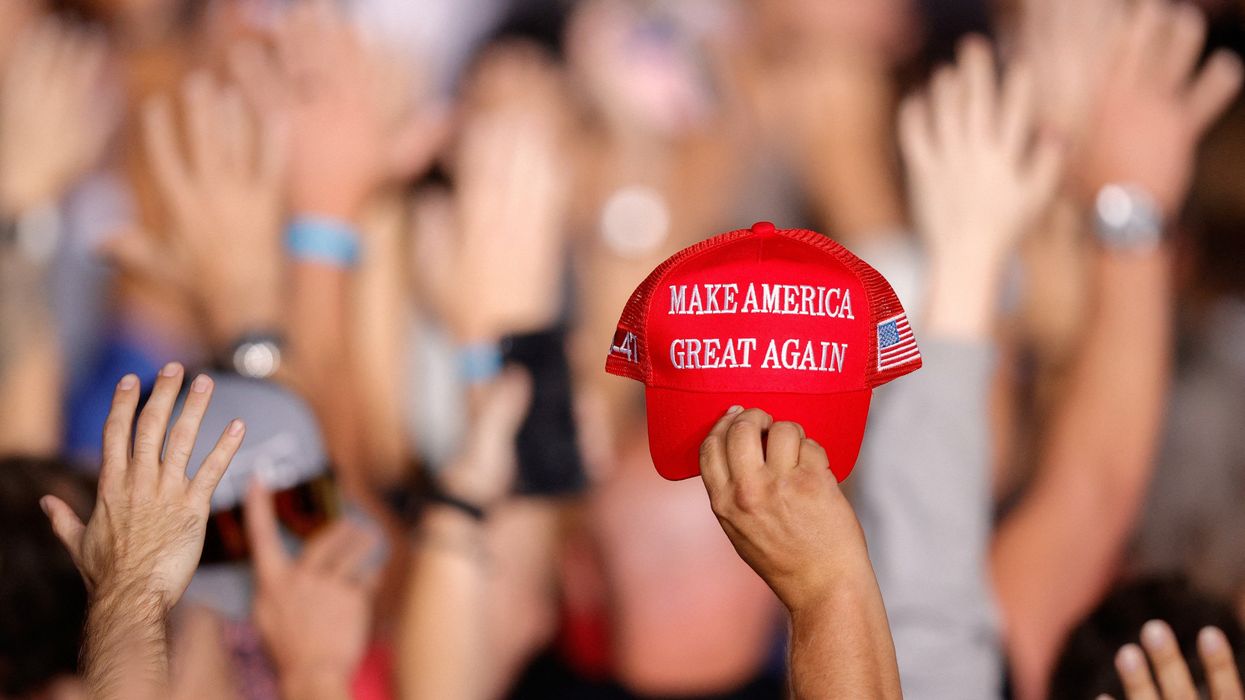
This pattern of musicians distancing themselves from Trump is not new. Throughout his presidency, many artists have refused to associate with him, sending cease-and-desist letters, demanding their music be removed from rallies, or publicly rejecting the connection. Names like Neil Young, The Rolling Stones, Aerosmith, R.E.M., ABBA, Celine Dion, Beyoncé, Foo Fighters, and others appear on this list.
The cultural exodus intensified when Trump appointed himself as chairman of the Kennedy Center and added his name to the monument for President John F. Kennedy. A federal judge later ordered him to remove his name, but the damage was done. The Kennedy Center saw a massive cultural exodus, with performances canceled across various genres, including Hamilton, folk, jazz, dance, opera, country, and symphony.
While the Great American State Fair faced its own set of withdrawals, another significant event unfolded. Bruce Springsteen’s “Land of Hope and Dreams” tour, featuring Tom Morello of Rage Against the Machine, concluded its American leg in Washington, D.C. At Nationals Park, Springsteen directly confronted Trump, declaring, “Our democracy, our constitution, our rule of law are being challenged right now as never before by a reckless, racist, incompetent, treasonous president.”
Trump responded by calling Springsteen a “dried out prune” of a rocker. However, the music community continues to resist his attempts to control the cultural narrative. From the Kennedy Center to his rallies and even the Great American State Fair, the message is clear: the music world will not sing along.
As the summer event approaches, it is evident that the cultural landscape is shifting. What was meant to be a celebration of 250 years of American freedom is instead becoming a symbol of artistic resistance. The irony is both rich and offensive, echoing the themes of “American Pie” in a new era.