Fungal Outbreak at Laser Eye Clinic in New York City
A recent outbreak of fungal infections has left multiple patients blinded after undergoing laser eye surgery at a clinic in New York City. According to the Morbidity and Mortality Weekly Report from February 2026, three patients developed fungal keratitis—also known as an infection of the cornea—after routine LASIK procedures at an outpatient clinic in December 2024.
The clinic, which remains unnamed in the report, was found to have serious lapses in its infection prevention and control (IPC) practices. Health authorities identified several deficiencies, including incomplete records of sterilized equipment, the use of expired eye medications, and the potential use of non-sterile water from humidifiers. These issues may have contributed to the spread of the infection.
All three patients experienced significant vision loss, with one requiring a corneal transplant to potentially save their sight. However, it is still unclear whether their vision was fully restored. The fungus responsible for the infections, Purpureocillium lilacinum (P lilacinum), is commonly found in natural environments such as fields, soils, forests, deserts, and ocean sediments.
According to the CDC, the fungus was detected in cultures taken from two of the patients’ corneas. It was also found in the tubing of a surgical device used at the clinic. Although environmental cultures did not show the presence of P lilacinum, the discovery of the fungus in the device suggests that contaminated equipment played a role in the outbreak.
How the Infection Spread
The clinic reported the cases to the New York City Health Department in December 2024. The facility had only one ophthalmologist and one treatment room, according to the report. The first patient, referred to as Patient A, began experiencing symptoms such as pain and vision loss just two days after surgery. Patients B and C became symptomatic three days after their respective procedures.
Once the clinic identified infections in Patients A and B, it temporarily halted all surgeries. Nearly two weeks after Patient A’s surgery, the clinic’s laboratory detected mold in the patient’s samples and notified the health department.
All three patients were treated with topical antifungal medications, specifically voriconazole and natamycin. One patient underwent a corneal transplant, which involves replacing the damaged cornea with tissue from a human donor.
Risks Associated with Laser Eye Surgery
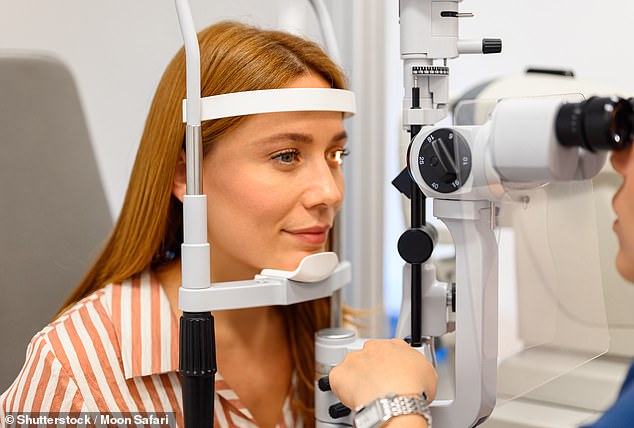
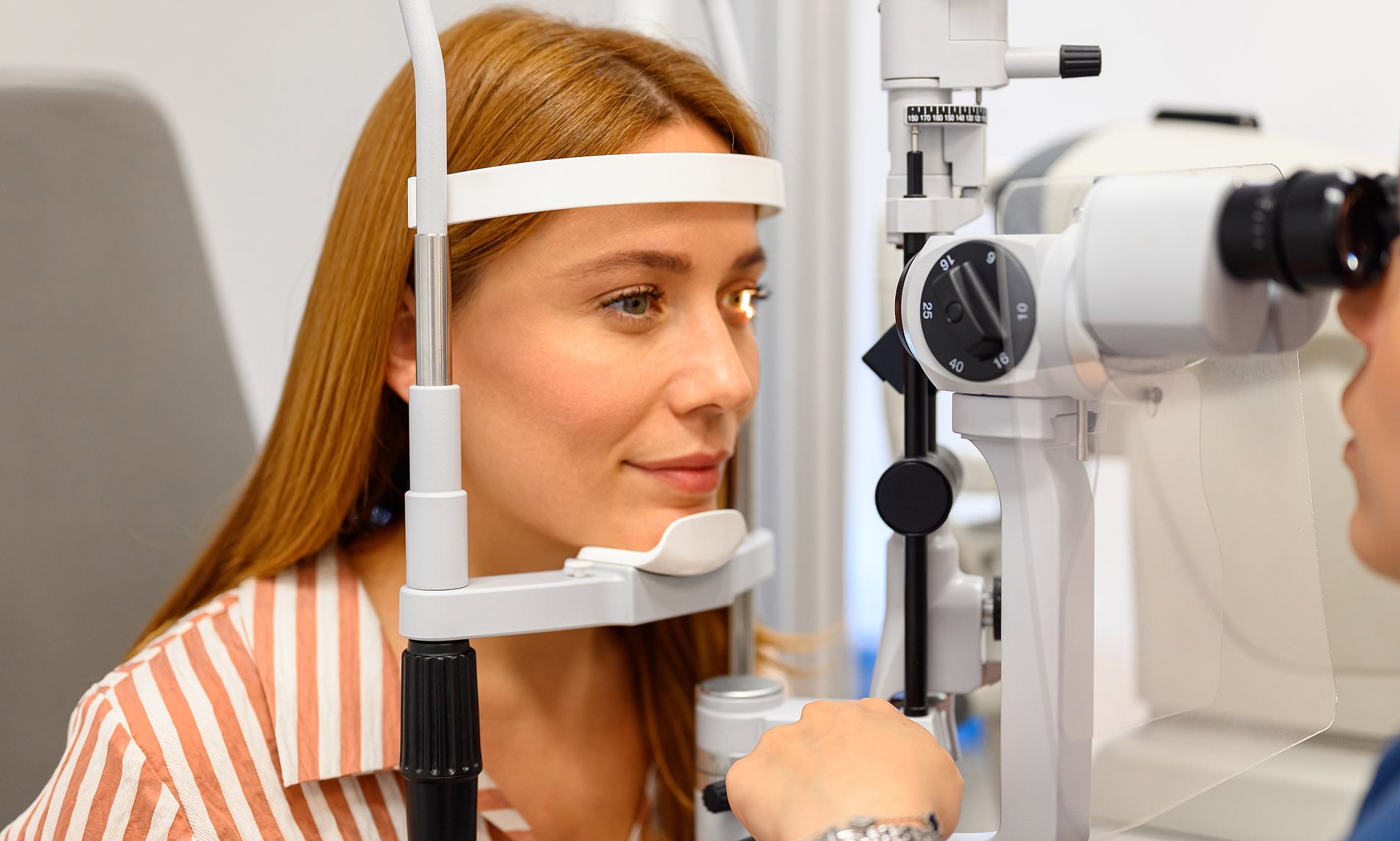
Laser eye surgery, or LASIK, involves numbing the eyes and using a specialized laser to create a thin flap on the surface of the cornea. This allows for the removal of layers of tissue to correct vision problems such as nearsightedness, farsightedness, and astigmatism.
However, the cornea is particularly vulnerable to infections due to its lack of a direct blood supply. Instead, it relies almost entirely on tears for immune defense, making it more susceptible to threats like fungal infections.
The CDC emphasized that Purpureocillium lilacinum is often associated with contact lens use, eye trauma, eye surgery, and immunocompromised individuals. In the United States, there are two strains of this fungus used in agriculture, which could contribute to its increased presence in the environment.
Recommendations for Healthcare Providers
The CDC stated that because Purpureocillium lilacinum is known to cause drug-resistant infections, healthcare providers should consider it as a potential cause of infection after eye surgery—even before definitive culture results are available.
Following the outbreak, the clinic implemented proper infection prevention and control guidelines, and no further illnesses were reported. This incident highlights the importance of strict hygiene protocols in medical facilities, especially those dealing with delicate procedures like eye surgery.