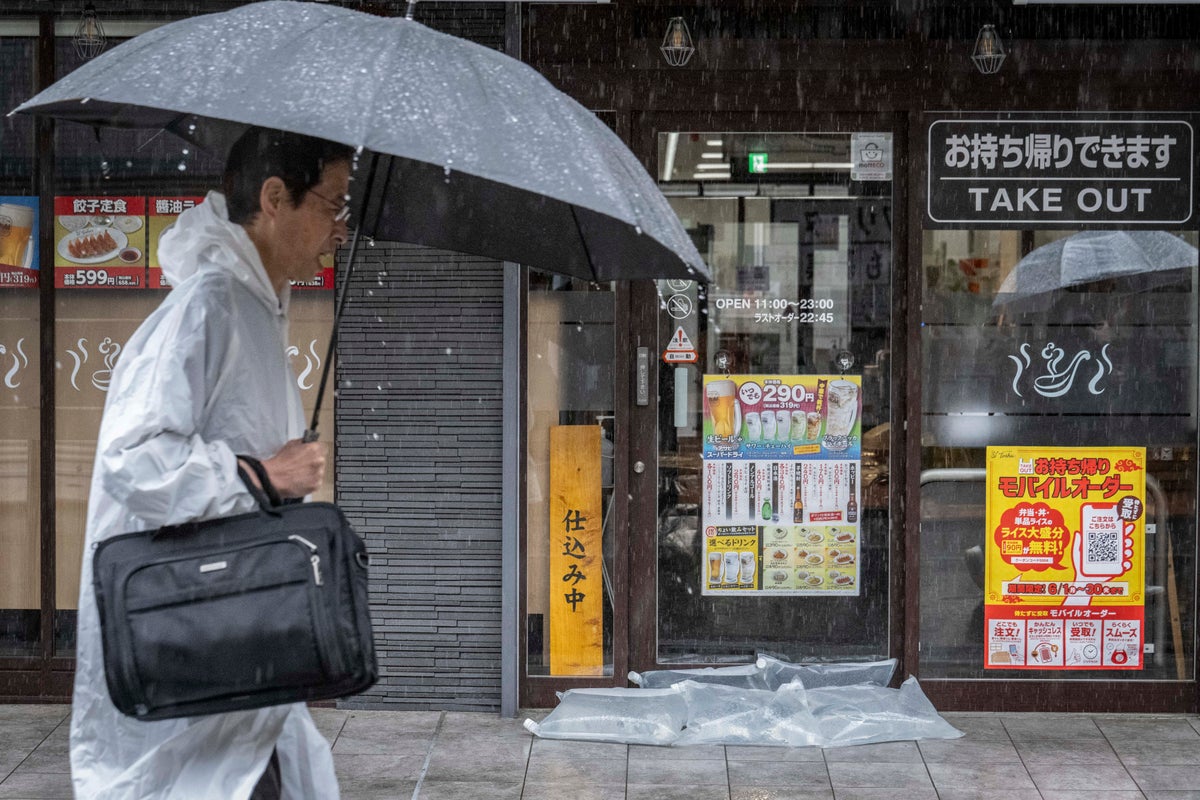
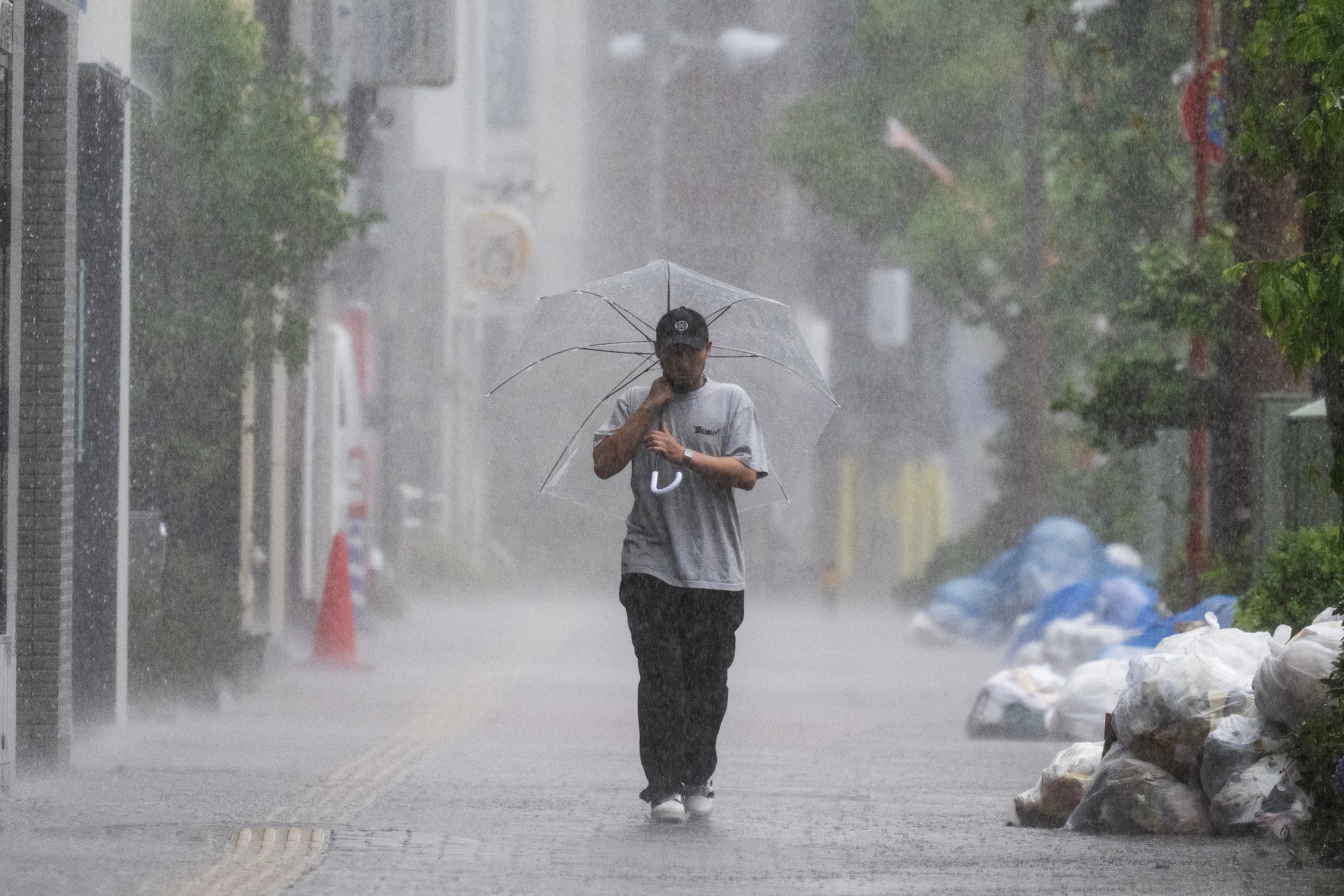
Typhoon Jangmi has unleashed heavy rainfall across large parts of Japan’s main island after making landfall early on Wednesday. The storm has been slowly moving along the country’s Pacific coast, causing widespread evacuations and significant disruptions to travel and daily life.
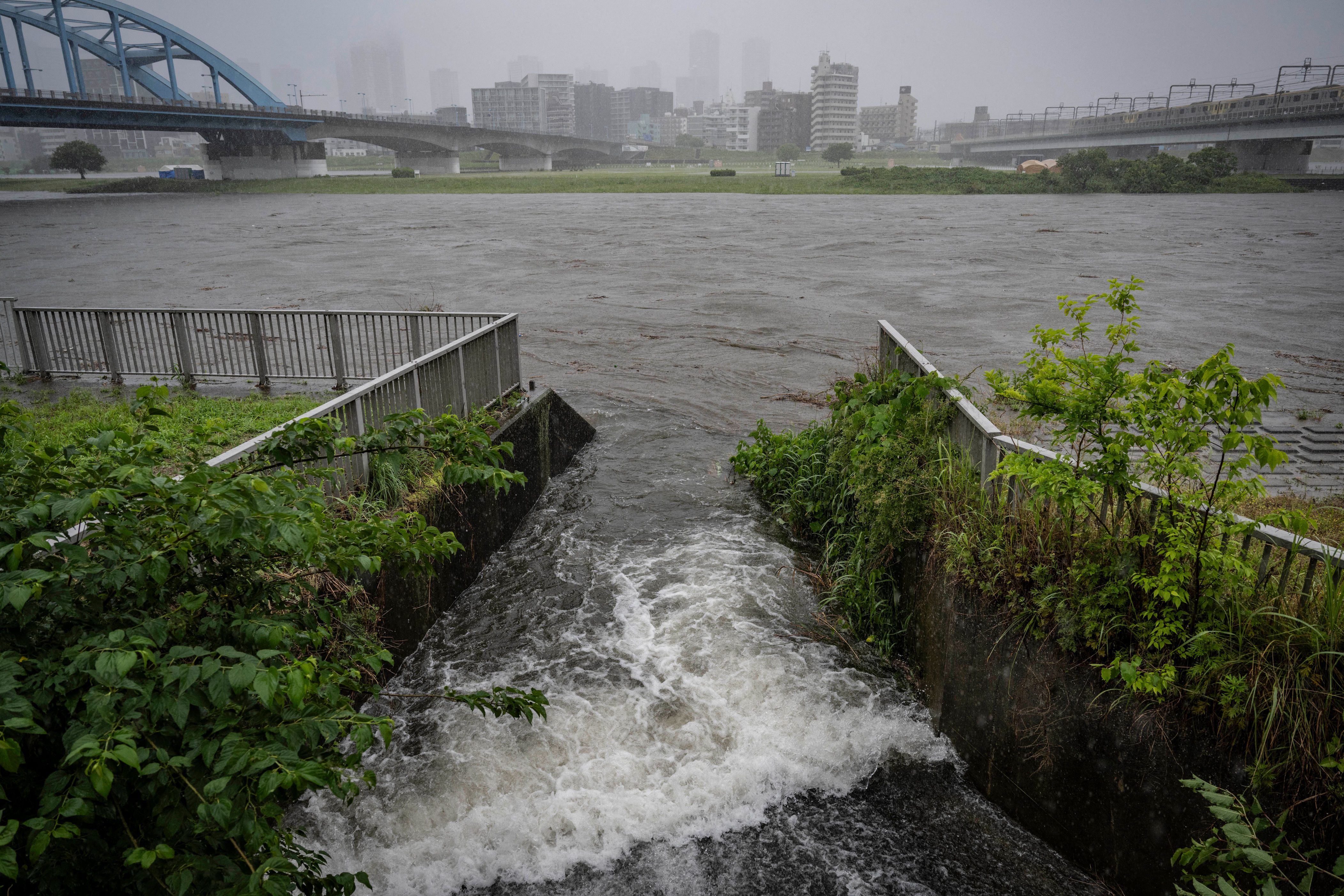
Japanese weather authorities have issued their highest-level flood warnings in several regions, urging residents living near rivers or in low-lying areas to move to higher ground for safety. In Tokyo, people living near the Zenpukuji River were advised to evacuate or take shelter as rising muddy waters approached overflow levels. Authorities have urged around 370,000 residents from Tokyo to Shikoku to leave their homes as Jangmi moved north and eastward past the capital.
At the time of its landfall in Wakayama Prefecture, Jangmi was producing strong winds of up to 126 km/h and moving east-northeast. By Wednesday afternoon, the typhoon had weakened to a severe tropical storm, with maximum sustained winds of about 90 km/h and a central pressure of 985 hPa.
The Japan Meteorological Agency warned that substantial rainfall would continue as the storm moved off the eastern coast of Japan, affecting parts of central and eastern Japan. The storm has caused widespread disruption, including traffic congestion in parts of Tokyo, the cancellation of hundreds of flights, and delays and suspensions on rail services.
More than 60,000 households were without power later on Wednesday, according to Reuters. Flood alerts have been issued in several areas of central and eastern Japan after some locations recorded exceptionally high rainfall, including around 50 cm in the city of Owase over a 24-hour period.
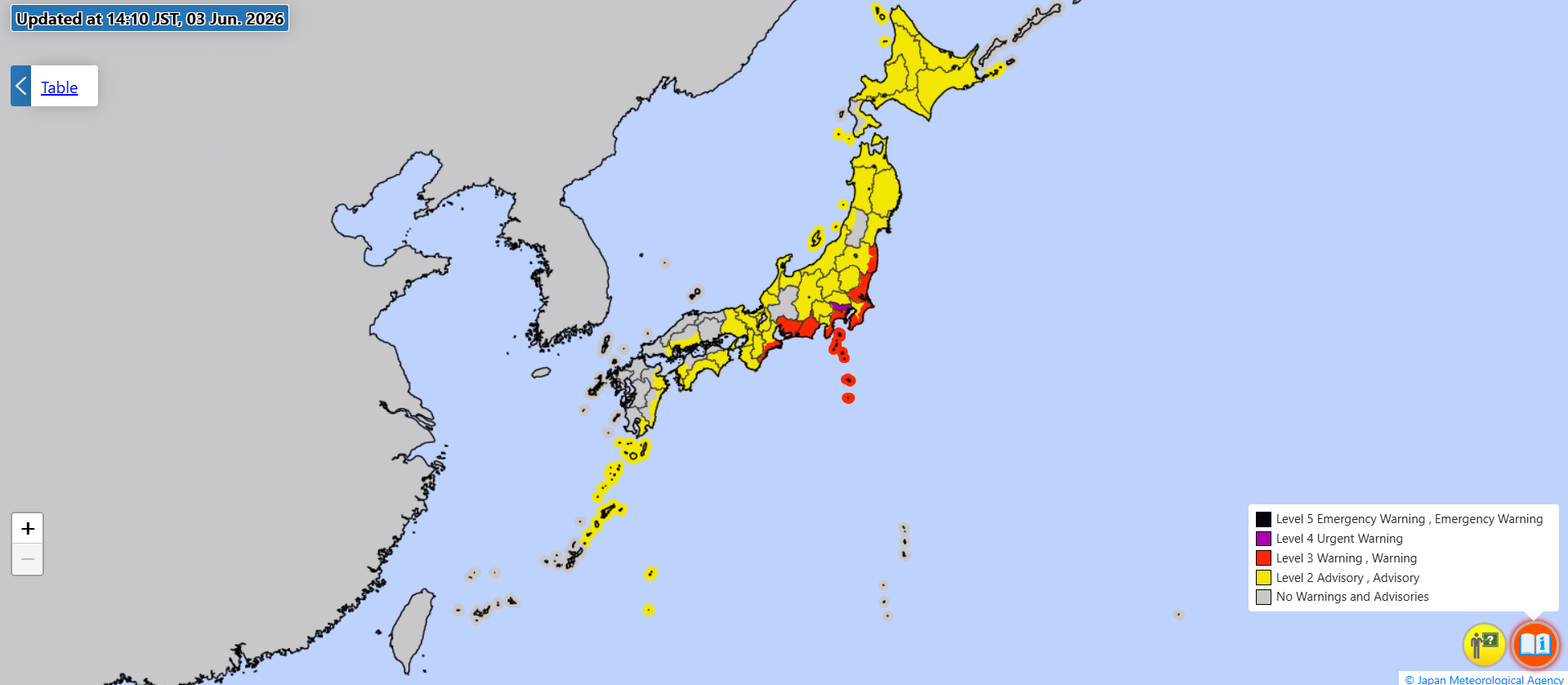
Jangmi had earlier swept through Okinawa, where 15 people reportedly suffered minor injuries before the storm moved north and made landfall in Wakayama. Landslide alerts were issued for several areas, including the cities of Ito, Shimoda, and Atami in Shizuoka Prefecture, as well as parts of Chiba and Kanagawa. Authorities ordered evacuations in multiple locations, including Omaezaki in Shizuoka, Kihoku in Mie, Yokosuka in Kanagawa, Totsuka Ward in Yokohama, and the town of Otaki in Chiba. Another warning was issued for Iwaki City in Fukushima Prefecture.
“If you sense any danger, please do not hesitate to take early action to protect your lives,” government spokesperson Minoru Kihara said at a press briefing. Mr. Kihara mentioned earlier in the day that the government had received reports of flooded roads, fallen trees, and landslides from Kyushu through to the Kanto region, including Tokyo, as the typhoon brought heavy rain across a wide area.
The Japan Meteorological Agency forecast up to 200 mm of rain across the Kanto-Koshin and Tokai regions by Thursday morning, with as much as 120 mm expected in Tohoku. It warned that rainfall totals could be significantly higher in areas where linear rainbands develop.
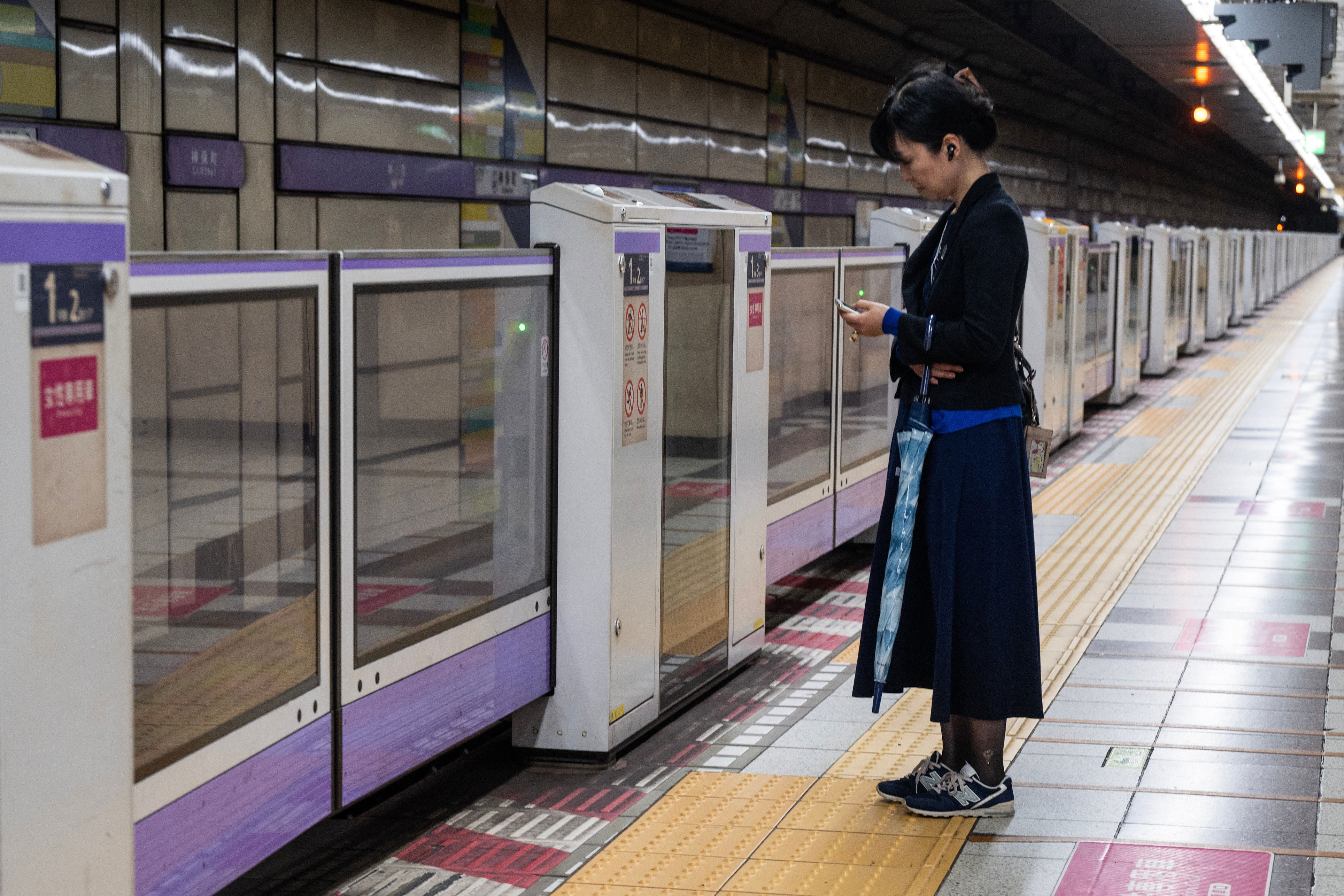
Several JR East routes were suspended from the start of the day on Wednesday, including sections of the Shonan-Shinjuku, Chuo, Ome, and Tokaido lines, with operators expecting services on some routes to resume later in the afternoon or evening.
Train services on the Hachiko Line were also halted after branches became entangled in overhead power lines, according to local media reports. On social media, users posted images and videos of flooded roads and subway stations.
A number of rail routes were expected to remain closed throughout the day, including sections of the Uchibo, Sobu Main, Kashima, Sotobo, Narita, and Kururi lines. Tokyo Metro and other private railway companies warned passengers to expect additional delays and possible service suspensions as severe weather conditions persisted.
Long-distance and limited express services were also heavily affected. The Narita Express and the Azusa and Kaiji services were suspended from the first departures of the day, while all trains on routes including the Odoriko, Saphir Odoriko, Shiosai, Sazanami, Wakashio, Kinugawa, Spacia Nikko, and Kusatsu/Shima services were cancelled.
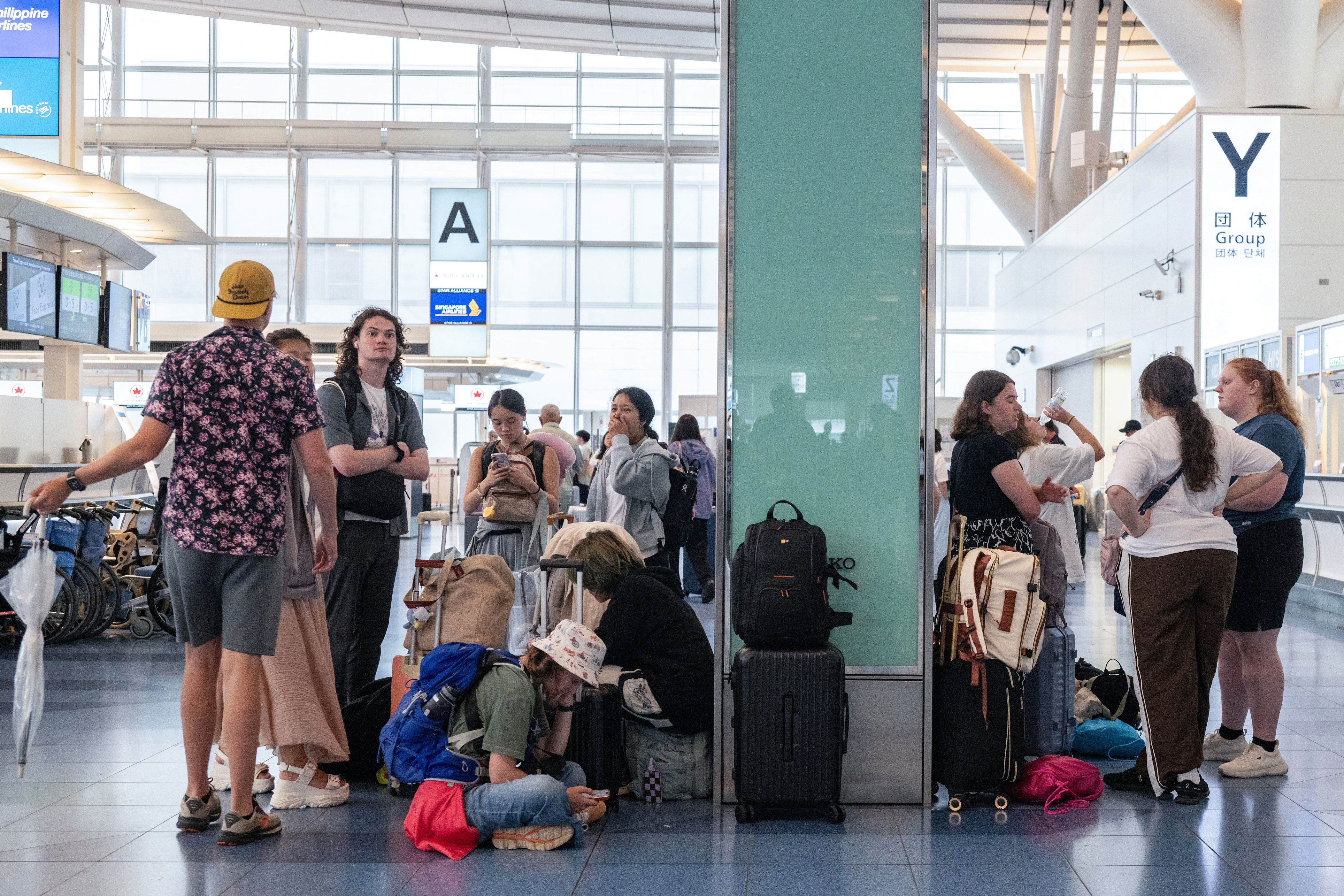
Air travel was similarly impacted, with around 760 domestic flights and more than 90 international flights cancelled on Wednesday, according to NHK Japan.