The Power of Responsible Tourism
Overtourism has shown that we really can have too much of a good thing. However, there are many places that prove travel can still be a force for good. According to the experts at Wanderlust, there are 101 such destinations that are taking commendable steps in sustainable tourism.
The UK’s longest-running travel magazine has just unveiled its Travel Green List for 2026, the fourth annual report on destinations and initiatives making a positive impact. Cities like Dubrovnik and Barcelona have been praised for their efforts in tackling mass tourism, while Oslo is noted for measures that reduce pollution. Here, we take a look at some lesser-known European destinations that are punching above their weight on responsible tourism.
Tilos Island: Greece
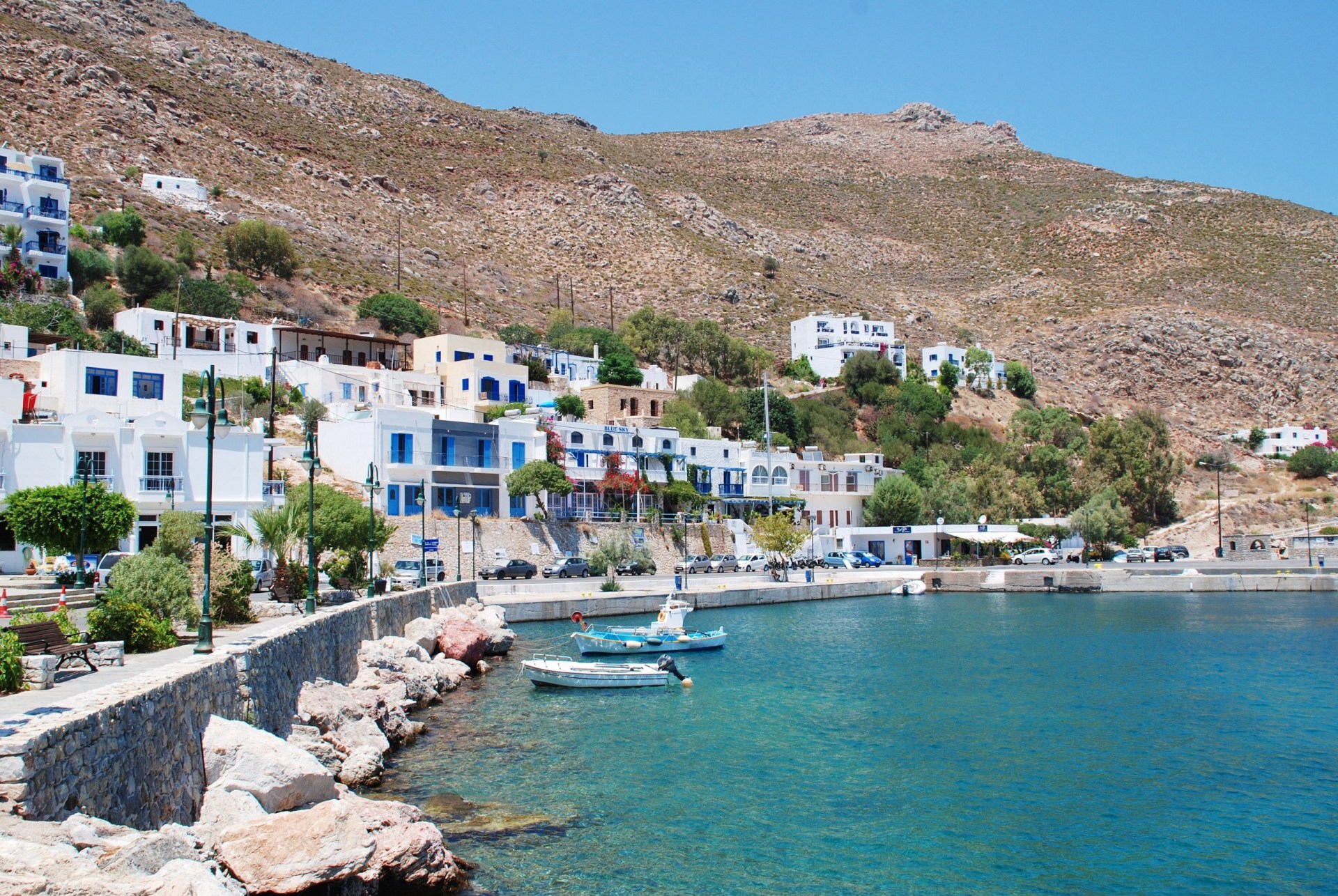
With nearly as many species of flora and fauna as there are residents (somewhere between 500 and 700), secluded Tilos is serious about environmental preservation. This Dodecanese island is 100% self-sufficient in solar and wind energy, and it has also adopted an ambitious zero-waste initiative: 80% of its trash is currently composted, reused or recycled, and it aims to reach 100%.
Tilos is midway between the popular tourist hotspots of Rhodes and Kos, but life on this tiny island is a far cry from the bustling resort ambience of its busy neighbours. Rare birds such as the Eleonora’s falcon and Bonelli’s eagle can be spotted from town, while the endangered Mediterranean monk seal is often seen off the coast.
Don’t miss the Charkadio Caves; fossils discovered there prove that dwarf elephants likely roamed the island 4,000 years ago.
How to get there:
There is no airport on the island, so the only way to get to Tilos is by ferry. Boats depart from Athens from the port of Piraeus two or three times a week, but prepare yourself: the journey takes around 15 hours. For a shorter crossing, fly to Rhodes or Kos and take a ferry from there.
Birgi: Turkey
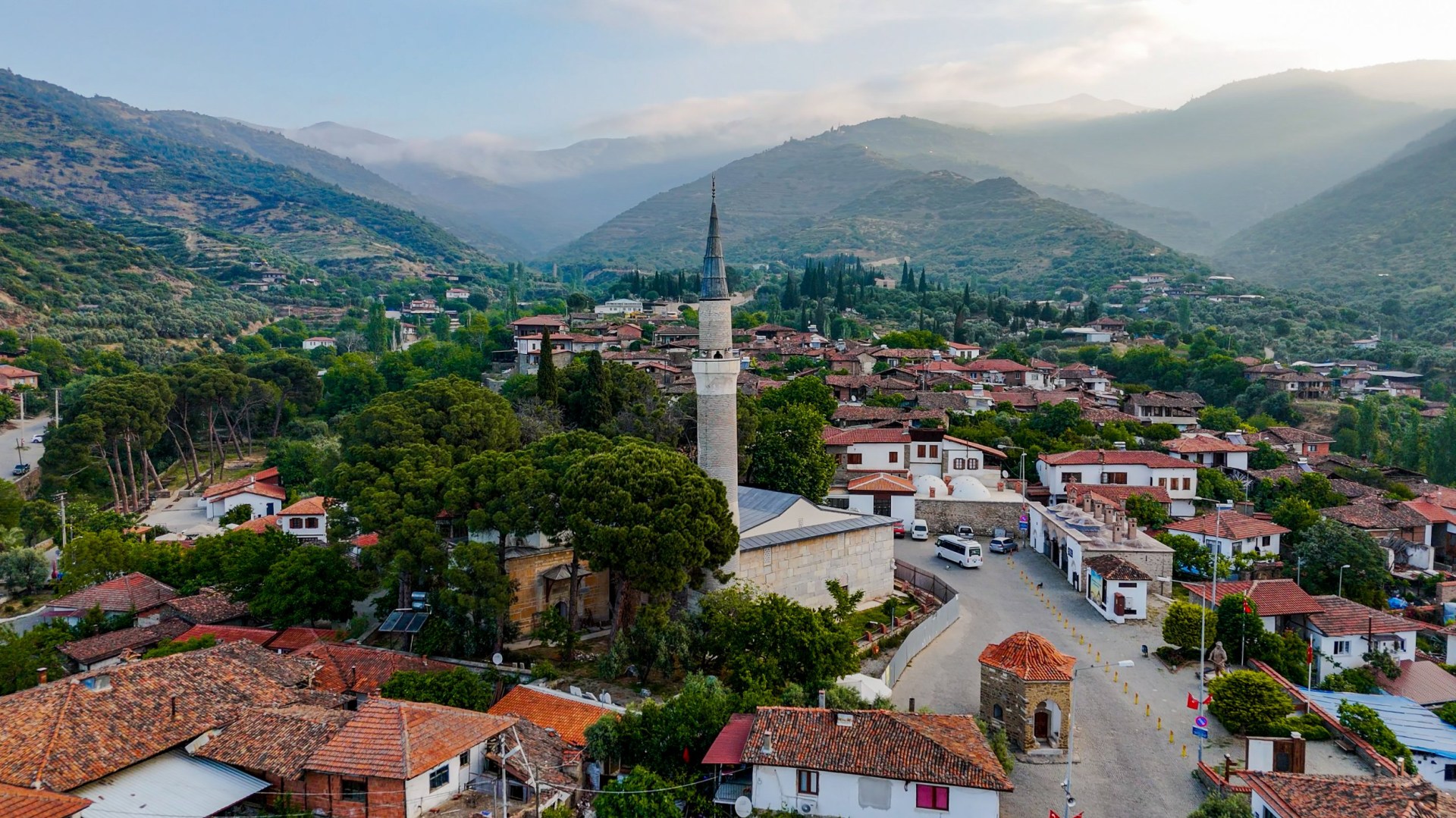
Small but mighty (population: 1,832), Birgi has been described as ‘one of the best villages in Turkey’. The historic town in the western province of Izmir is on the Tentative List of UNESCO World Heritage Sites. Over the centuries it was home to Phrygian, Lydian, Persian, Pergamon, Roman, and Byzantine civilisations, and today more than 100 historic buildings are officially registered by the Culture and Tourism Ministry.
And lately, it’s been doing a lot to protect what makes it so special. Wanderlust discovered that officials have engaged over 1,000 local stakeholders in the development of its tourism industry. This includes 80 local women, who have taken part in craft skill-building workshops, while more than 250 young people have been planting trees and building bicycles.
Other European Destinations on the ‘Travel Green List’:
- Tilos Island, Greece
- Birgi, Turkey
- The Tokaj wine region, Hungary
- Trøndelag, Norway
- Freiburg im Breisgau, Germany
- Oslo, Norway
- Corsica, France
- The Saas Valley, Switzerland
- Ljubljana, Slovenia
- Soomaa National Park, Estonia
Visitors can now explore the town’s historic buildings on foot or by bike, taking in the Ottoman-era stone houses as well as the 14th-century Aydınoğlu Mehmet Bey Mosque and the 18th-century Çakırağa Mansion, packed with Islamic art. Elsewhere, Birgi has plenty of pretty cafés and artisan handicraft stores to keep travellers fed and fascinated.
How to get there:
Birgi is 7km from Ödemiş, in the Izmir district. It’s 122km from Izmir by car. If you don’t have a car, it’s possible to reach Birgi via Ödemiş by bus from Izmir’s Otogar bus station. The bus trip to Ödemiş takes around 2 hours, and from Ödemiş you’d need to catch a taxi to Birgi, although minibuses run sporadically into town. You can also catch a train to Ödemiş. The journey takes 2 hours and 20 minutes.
Corsica: France
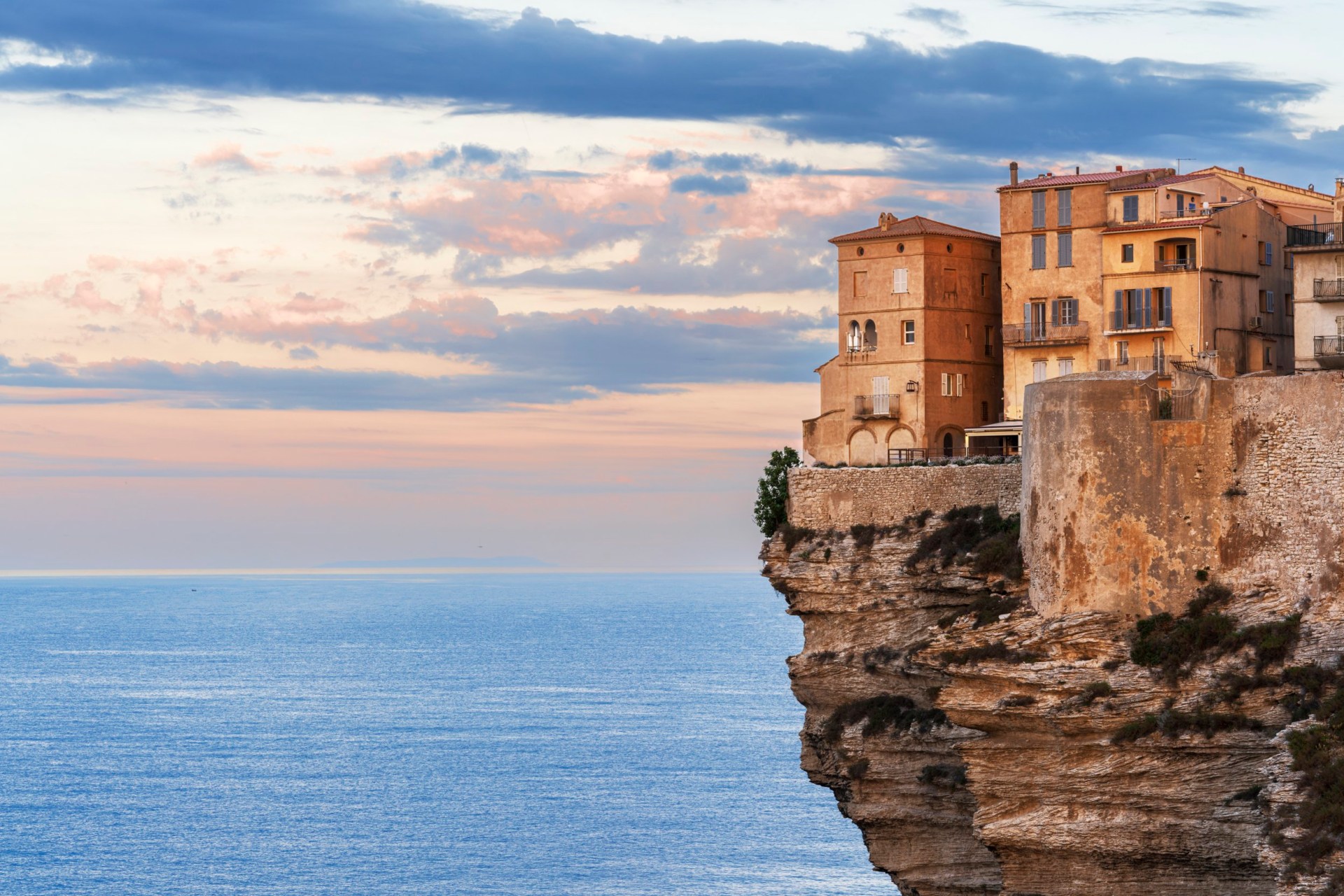
Corsica is one of the Mediterranean’s best-kept secrets. And now there’s even more of a reason to enjoy its unpretentious towns, beautiful beaches and dramatic coastlines. This French island, just north of Sardinia, has gone big on the use of the EU Ecolabel, the official European Union voluntary label for environmental excellence.
It highlights hotels and B&Bs that reduce waste to landfill, train staff in sustainable practices and work with local suppliers. The historic Grand Hôtel de la Scala in Calacuccia, Le Saint Erasme in Calvi and Cala di Greco on the fringes of Bonifacio beach have all adopted the measures. Similarly, the Gusti di Corsica label highlights restaurants using ingredients sourced from local farmers and fishermen, so you can be assured your money is going directly to local traders.
How to get there:
There are two ways to get to Corsica, either by air from mainland France or certain European cities, or overland by car or train, and then by sea. The island has four airports that handle seasonal and year-round flights. From the UK, seasonal routes operate from several London airports: Stansted, Heathrow and Gatwick.
Soomaa National Park: Estonia
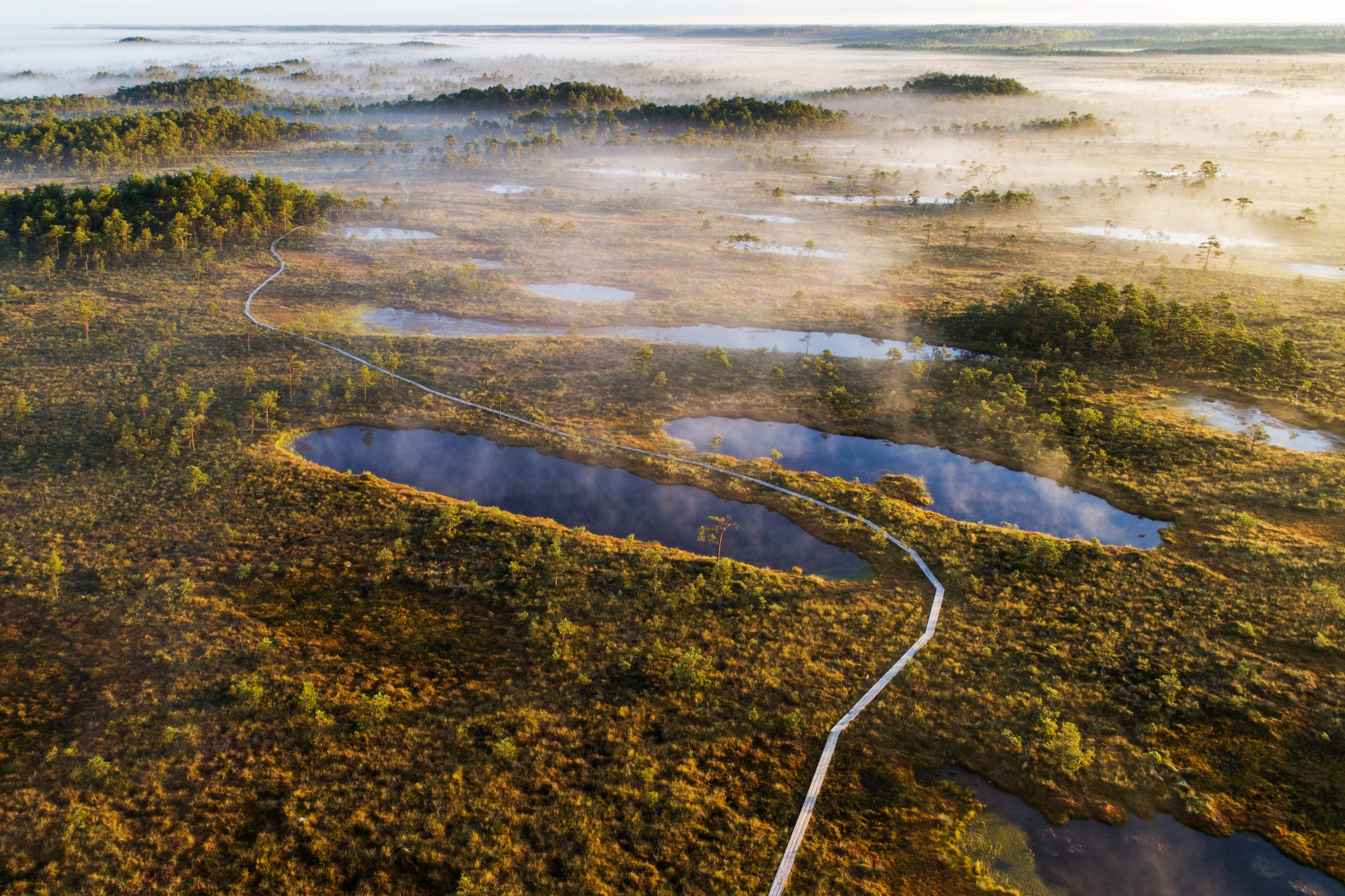
Recognised as a ‘wilderness capital of Estonia’, Soomaa National Park is an intricate swamp-forest, home to species such as the great snipe and lesser spotted eagle. It is renowned for its mysterious ‘Fifth Season’, when rainwater and snow flood shallow waterways between winter and spring.
The park’s four rivers overflow their banks, submerging the meadows and forests. The landscape is transformed into a giant, shallow lake before the water soaks back into the ground and the rivers return to their original routes. Visitors can enjoy this extraordinary scene year-round on nature walks, bog-shoe hikes and, towards the end of March into April, in haabjas, a sort of dugout canoe.
The haabjas is a significant part of local culture, recognised under UNESCO’s List of the Intangible Cultural Heritage of Humanity. Local boatbuilding experts also run canoe-making workshops, so you can learn the basics for yourself.
How to get there:
Drive from Tallinn. The journey takes around two hours. If you don’t have a car, take the bus from Tallinn to Pärnu, or the train from Tallinn to Viljandi. From there, you’d need to arrange transport to the park or take a local bus to Soomaa. Schedules are limited.
Ljubljana: Slovenia
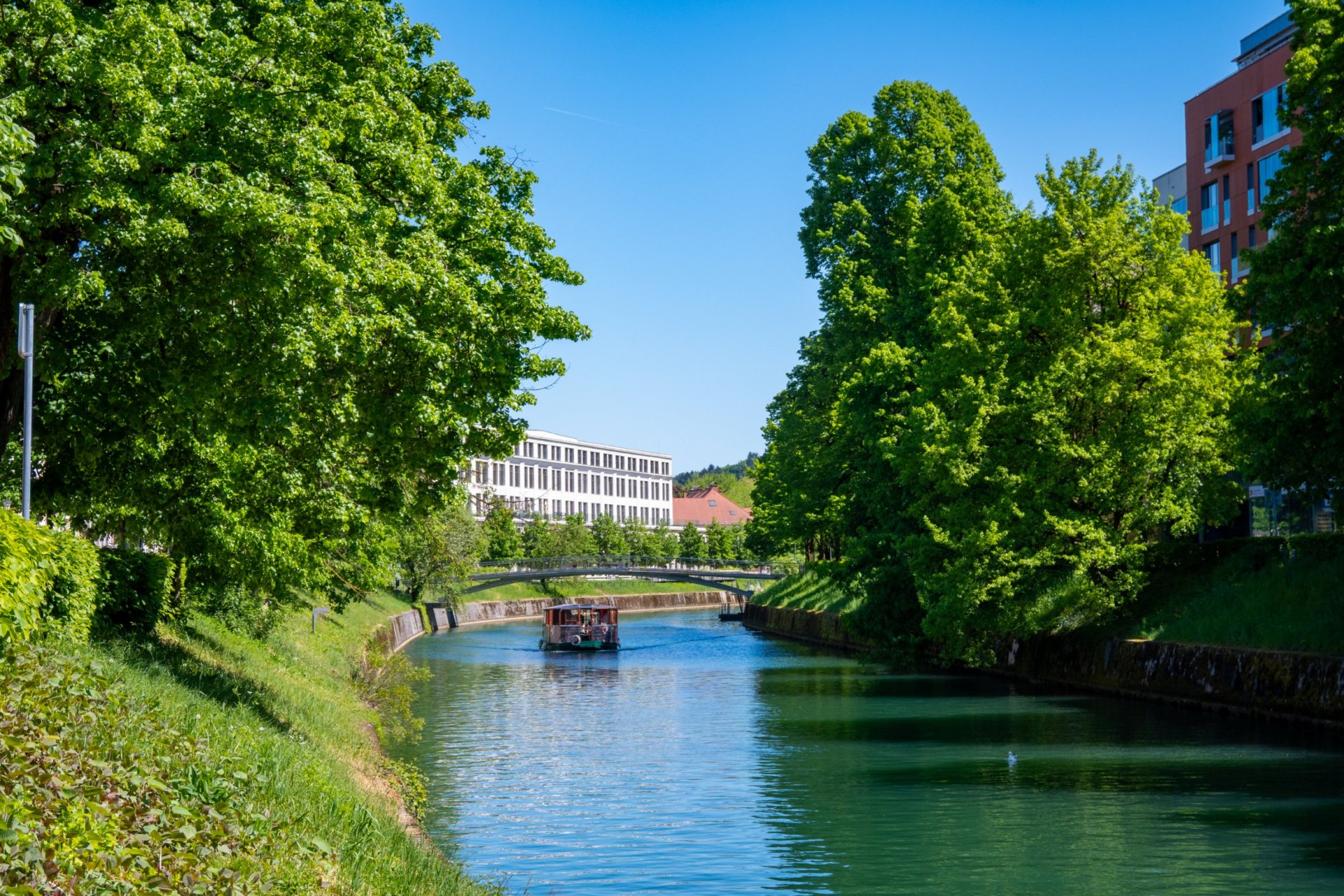
With its car-free streets and free bicycle scheme, charming little Ljubljana has long embraced sustainability. Slovenia’s pocket-sized fairytale capital runs a free bus service during big events. But its latest project, a collection of bespoke, hands-on experiences that bring together 80 heritage crafts into eight workshops, is the best example of how cities can empower visitors to engage with local culture in a more responsible way.
You can try your hand at everything from goldsmithing and umbrella repair and weaving and pottery, under the watchful eye of local artisans. Wanderlust praised the city for supporting the preservation of heritage skills while at the same time bolstering the local economy and supporting community wellbeing.
How to get there:
Ljubljana is easily accessible by train and by air. It has one major airport, 16km outside the city. Several airlines such as easyJet and British Airways fly direct from airports across the UK, including Manchester, Edinburgh, London Heathrow and London Gatwick.