Meta’s Smart Glasses and the Controversy Over Facial Recognition
Meta, the tech giant behind Facebook and Instagram, has reportedly introduced a new feature to its smart glasses platform that could identify strangers using their biometric data. This development has raised concerns among security researchers and privacy advocates.
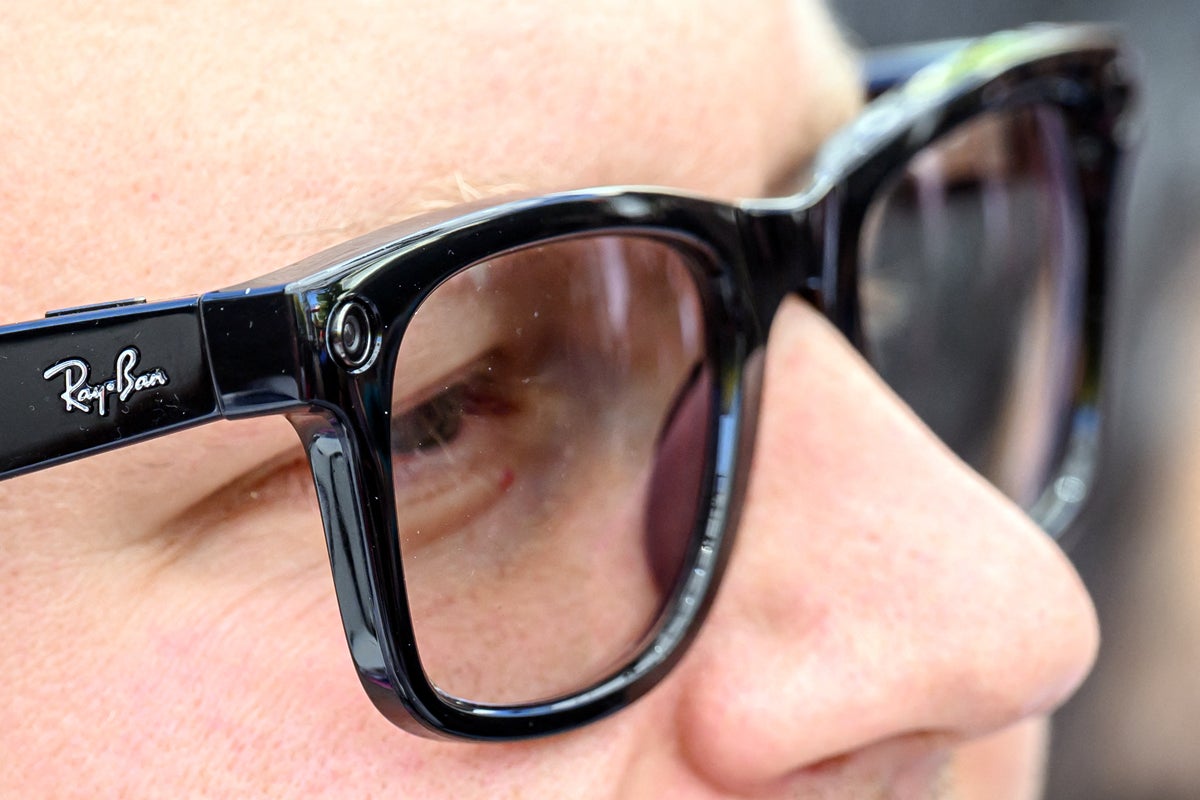
The feature, known as “NameTag,” is part of the Meta AI app, which has been downloaded by millions of users. However, it remains inactive for now. When activated, the feature would use the built-in cameras on Meta’s Ray-Ban and Oakley smart glasses to compare people’s faces with biometric data stored in the Meta AI companion app.
Cooper Quintin, a security researcher at the Electronic Frontier Foundation (EFF), highlighted the potential risks associated with this technology. In a blog post, he explained that the NameTag feature would store faceprints as a series of 2,048 numbers that uniquely represent the positioning of facial features. If activated, the glasses would convert every new face into these numbers and compare them against the existing faceprints in the user’s database.
This functionality was first reported by Wired and has sparked significant debate. According to a separate report from the New York Times, Meta had shown interest in adding facial recognition capabilities to its smart glasses in an internal memo last year. The document suggested that the company was considering launching the feature during a period of political unrest, when civil society groups might be distracted by other issues.
In 2021, Meta faced public backlash over its controversial photo-tagging system. As a result, the company announced it would delete more than a billion faceprints from users of its social media platform. This move came after a class-action lawsuit centered around Illinois’ Biometric Information Privacy Act (BIPA) law, which led to a $650 million settlement.
It is still unclear who would be identifiable through the NameTag feature or whether individuals could opt out. A Meta spokesperson, Ryan Daniels, stated that the company is exploring such features but emphasized that nothing has been released to consumers yet. He also mentioned that no final decision has been made regarding the feature.
“We are not building a central face database,” Daniels added, highlighting the company’s commitment to transparency if the feature is eventually rolled out.
In April, over 70 organizations urged Meta to abandon its plans to add facial recognition technology to its smart glasses. They argued that the technology could be misused by stalkers and abusers, posing serious risks to personal privacy and safety.
Key Concerns and Implications
- Privacy Risks: The introduction of facial recognition in smart glasses raises significant privacy concerns. Users may unknowingly capture and store biometric data of others without their consent.
- Security Vulnerabilities: There is a risk that the data collected could be accessed by unauthorized parties, leading to identity theft or other malicious activities.
- Ethical Considerations: The use of facial recognition technology in consumer products raises ethical questions about surveillance and the potential for misuse.
- Regulatory Challenges: Companies like Meta must navigate complex regulatory landscapes, including laws like BIPA, which aim to protect individuals’ biometric data.
As Meta continues to explore the integration of facial recognition into its smart glasses, the conversation around privacy, security, and ethics remains critical. The company must balance innovation with responsibility to ensure that its technologies do not infringe on the rights and safety of individuals.