A New Approach to Electric SUV Design
In the modern electric vehicle (EV) market, many SUVs follow a similar design philosophy. They often feature coupe-inspired rooflines, sleek aesthetics, and dramatic proportions aimed at capturing attention in showrooms. However, this approach can sometimes come at the expense of practicality—something that many family buyers prioritize.
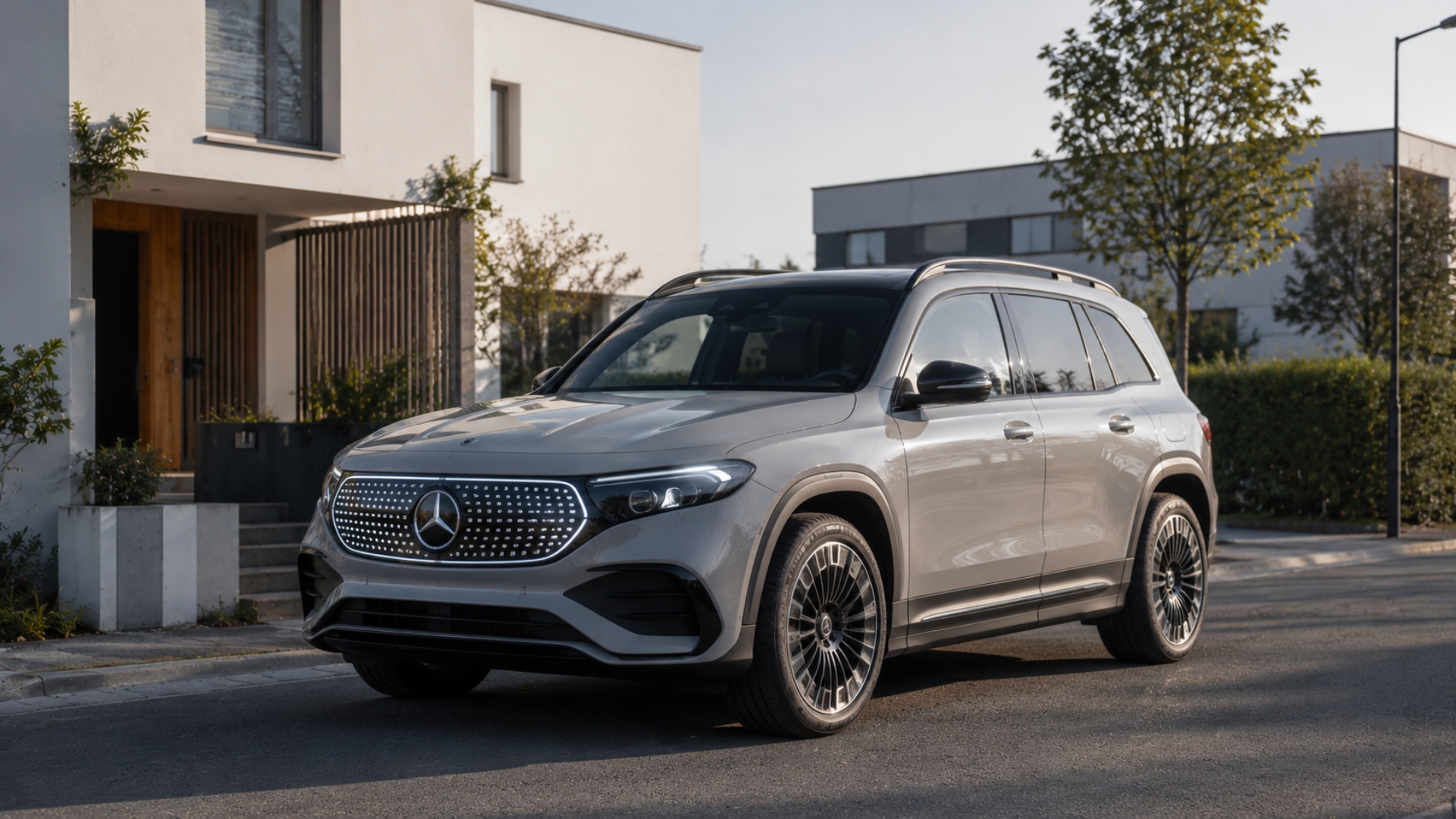
The upcoming Mercedes-Benz GLB Electric appears to take a different route. Instead of chasing the latest styling trends, it is expected to retain the upright shape and boxier proportions that have made the current GLB model popular. While this design may not offer the same visual impact as some competitors, it provides something arguably more valuable: usable space.
Practicality in an EV Market
In today’s EV landscape, practicality is becoming a rare luxury. Many electric vehicles focus on performance and style, often sacrificing real-world usability. The GLB Electric, however, seems to be designed with families in mind.
One of the key features of the current GLB is its optional third-row seating. Although these rear seats are best suited for children or occasional use, they offer a level of flexibility that many compact SUVs lack. Mercedes is likely to maintain this advantage as the model transitions to electric power.
This is significant because families often face tough choices when shopping for EVs. Those who need extra seating frequently end up moving into larger, more expensive vehicles. A compact premium EV capable of accommodating up to seven occupants could fill a crucial niche in the market.
While the GLB Electric may not have the largest cabin in its segment, it could become one of the most versatile options available.
Innovation in Electric Technology
The significance of the GLB Electric goes beyond just its seating layout. It is expected to benefit from Mercedes-Benz’s latest advancements in electric architecture and efficiency improvements. These developments are part of a broader strategy by the company to make future EVs more competitive in terms of range, charging performance, and energy consumption.
Efficiency has become a critical factor in the luxury EV market. It’s no longer enough to simply install larger batteries. Manufacturers are now focusing on maximizing miles per kilowatt-hour, reducing charging times, and improving real-world usability.
Mercedes understands that buyers are increasingly comparing electric vehicles based on ownership experience rather than just headline specifications. This shift in focus highlights the importance of delivering a practical and user-friendly EV.
Intense Competition in the Premium Segment
The compact luxury EV segment is becoming increasingly crowded. Premium manufacturers across Europe, China, South Korea, and the United States are introducing new electric SUVs at a rapid pace. Buyers considering the GLB Electric may also look at alternatives from brands such as BMW, Audi, Volvo, Tesla, and several emerging companies aiming to establish themselves in the premium space.
This means that Mercedes cannot rely solely on its brand reputation. The GLB Electric will need to offer a clear reason for buyers to choose it over increasingly capable rivals. Practicality, interior flexibility, and family-friendly packaging could become key differentiators.
Sometimes, the most effective innovation is solving a problem that competitors have overlooked.
The SUV Shape and Its Benefits
Traditional automotive design often viewed upright body shapes as less desirable than sleek, aerodynamic alternatives. However, electric vehicles complicate this equation. While aerodynamic efficiency remains important, EV packaging allows manufacturers to create more spacious interiors without significantly increasing vehicle size.
Flat battery packs and compact electric motors provide opportunities to maximize cabin volume in ways that were challenging with conventional powertrains. The GLB’s boxier profile may therefore become an asset rather than a compromise.
Families care about headroom, cargo capacity, visibility, and ease of access. The GLB’s shape naturally supports these priorities.
Targeting Mainstream Families
The first wave of EV adoption was often driven by enthusiasts and technology-focused consumers. However, the next phase will depend increasingly on mainstream families who need electric vehicles to fit seamlessly into their daily lives. These buyers tend to focus less on acceleration figures and more on practicality, comfort, charging convenience, and long-term usability.
The GLB Electric appears to be aimed directly at this audience. Rather than trying to become the fastest or most radical electric SUV in its class, Mercedes is focusing on the familiar strengths that have long attracted family buyers to the GLB nameplate.
A Different Kind of Success Story
The Mercedes-Benz GLB Electric may never generate headlines for record-breaking performance or revolutionary design. That could actually work in its favor. Many successful family vehicles succeed because they solve practical problems exceptionally well rather than chasing attention-grabbing specifications.
If Mercedes can combine efficient electric technology with the spacious, versatile character that defines the current GLB, it could create one of the most useful compact premium EVs on the market. In a segment increasingly filled with stylish electric SUVs, the GLB Electric’s greatest advantage may be that it remembers what many families are actually looking for: space, flexibility, and everyday usability.