A Remarkable Journey of Resilience
At seven-years-old, Sophia Pulfree-Blythe is a ball of energy. When she’s not practicing cartwheels, she’s scaling the climbing frame at the park. But for her parents, Rachel and Ashley, their lively little girl is nothing short of a miracle.
Sophia was just two when she was diagnosed with arthritis. While typically associated with older people, juvenile idiopathic arthritis (JIA) occurs when the body’s immune system attacks its own healthy cells and tissues. Similar to the condition experienced in old age, symptoms include joint pain, fatigue and stiffness, which can often be misdiagnosed as growing pains.
“I didn’t know anything about juvenile arthritis. I didn’t realise children could get it,” Rachel says. “The unknown is the scariest thing — the doctors don’t always have the answers that you want to hear.”
Understanding Juvenile Idiopathic Arthritis (JIA)
JIA is an autoimmune and inflammatory condition where the body’s immune system attacks its own healthy cells and tissues. JIA can be both passed down genetically as well as develop environmentally. Bone and growth development can also be affected.
Whilst it has similarities to some types of arthritis diagnosed in older people, JIA is a unique condition beginning in childhood. Symptoms can begin from birth but may not always be obvious.
JIA is a condition that some children can grow out of, while for some it is lifelong, unfortunately there is no way of knowing beforehand.
Symptoms include:
* Pain, stiffness and swelling in any joints – such as fingers, jaw, knees, back
* Hot to touch
* Struggling to hold objects such as a pencil
* Struggling to read and ‘snowflake’ vision
* Fatigue
* Fevers
* Appetite loss
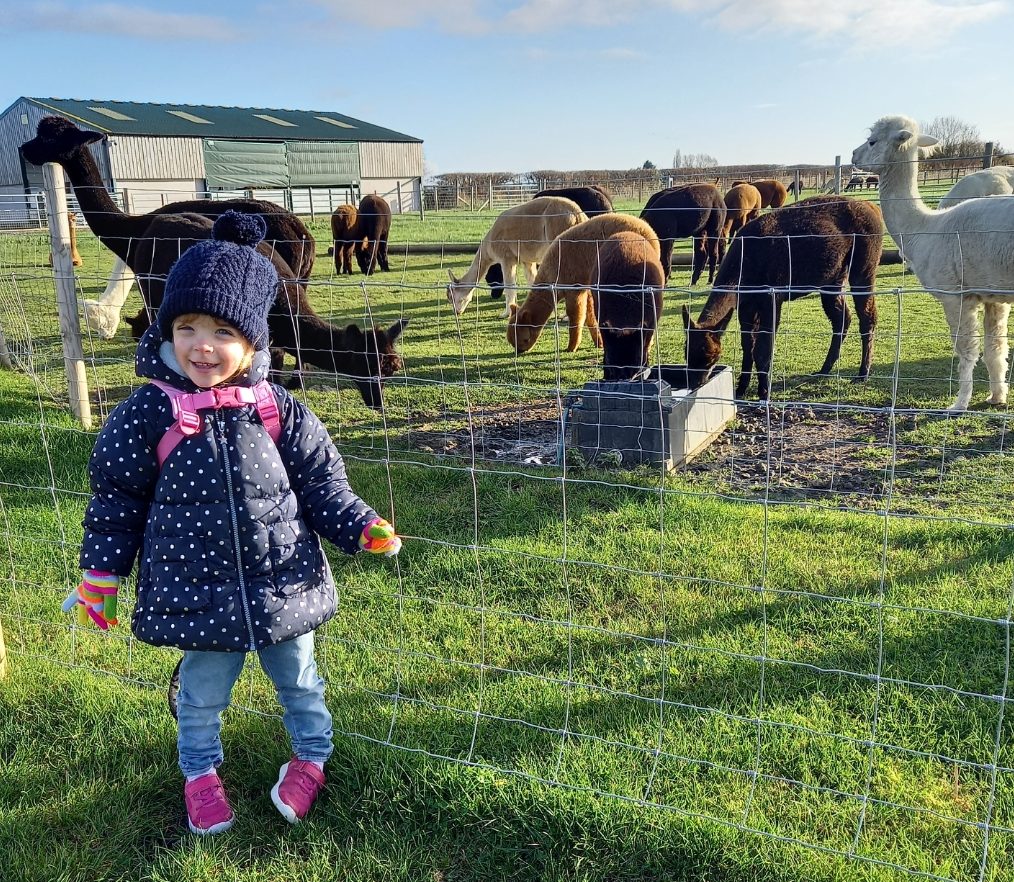
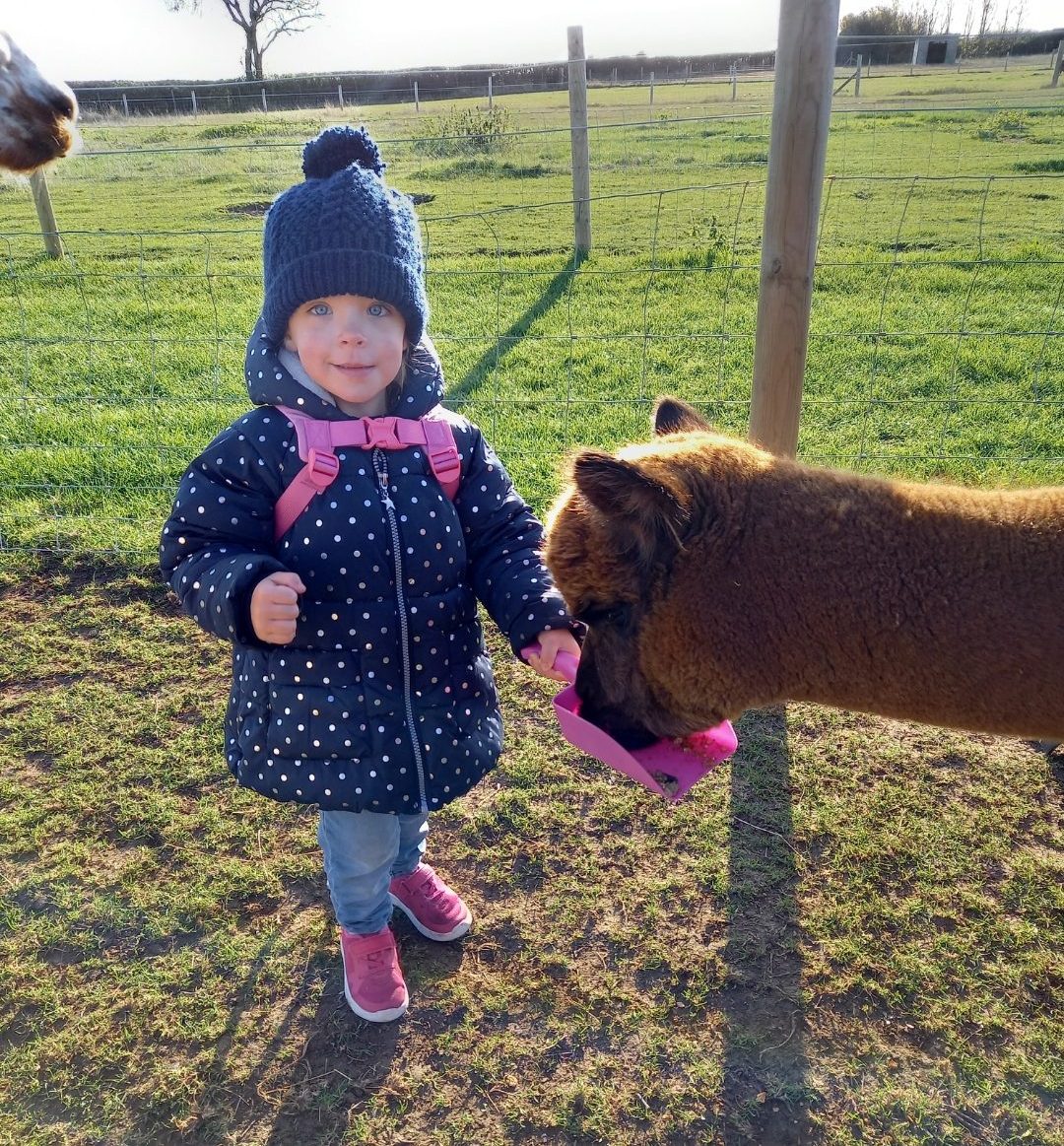
It was a freak accident in November 2021 that would lead to Sophia’s diagnosis. Rachel, 37, then four months pregnant with her second baby, took Sophia to an alpaca farm.
“We went for a day trip to feed them,” explains Rachel. “We were told not to touch their back ends because if you do they’re likely to kick. But because Sophia was so little, she brushed against one of them, and it kicked out, hitting her knee. She instantly started crying.”
While at first, Rachel wasn’t too worried, within a few days she noticed that Sophia’s knee was swollen and hot to the touch. Rachel took her daughter to the GP, who said Sophia would be fine. But during the weekend, it got worse, so she went to A&E. They did an X-ray, but there were no broken bones.
“I kept going to the doctor because it was getting worse and worse. They did all the checks, they even watched her run up and down the ward. They discharged her, but it kept getting worse. She’d learnt to walk by then, but I remember her crawling along the floor in the living room on her hands and tummy. It was horrible… I was pregnant and I felt guilty because I couldn’t pick her up to help her.”
Sophia was in so much pain that her dad, Ashley, 36, would have to carry her around. It was when Sophia’s grandmother noticed that her eyes become red and bloodshot, that Rachel knew something more needed to be done. Finally, doctors agreed to do more tests and in January 2022 Rachel and Ashley were told their daughter had JIA, along with uveitis, an eye inflammation that often develops with the condition, that can cause blindness if left unchecked.
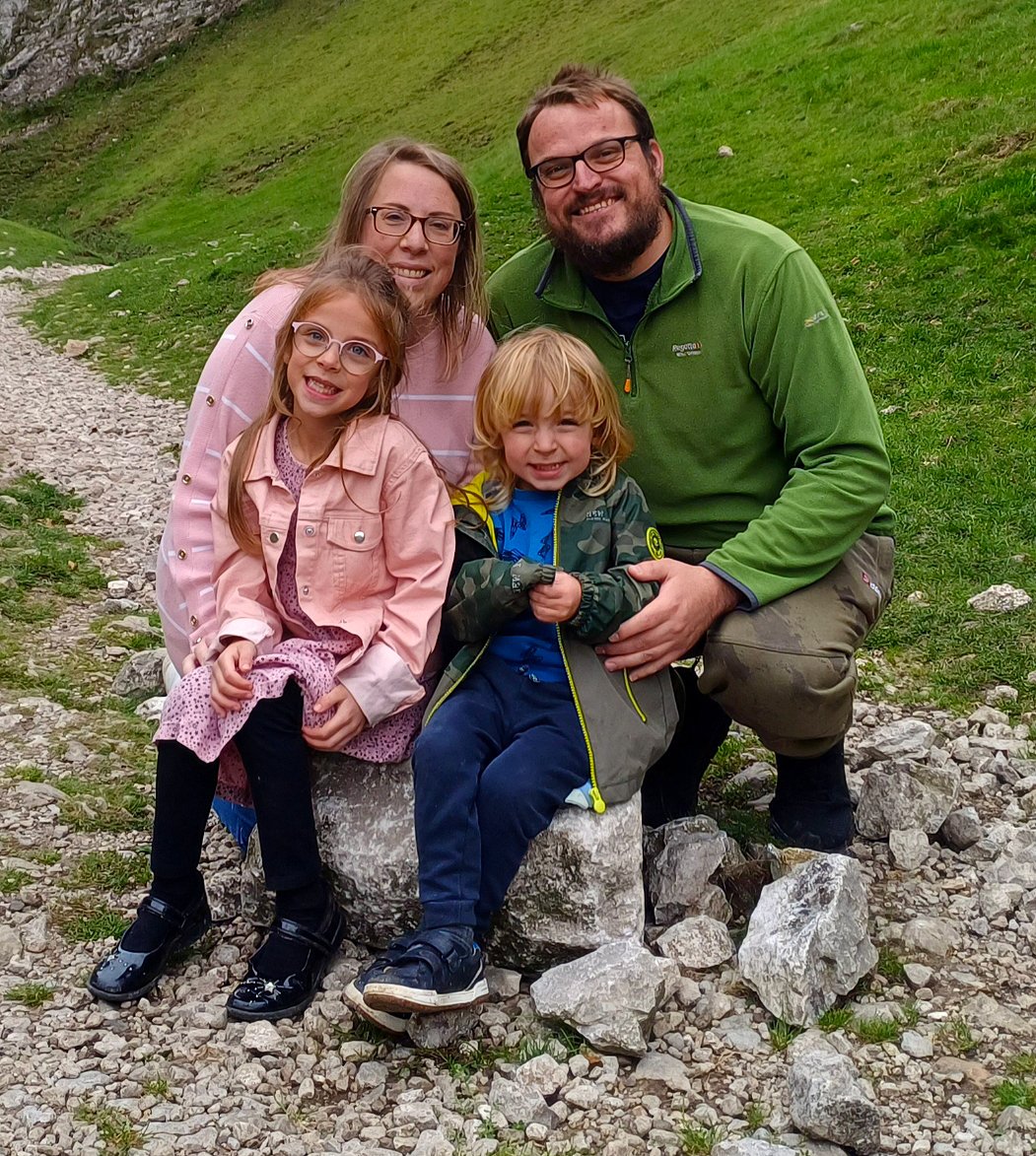
Rachel remembers crying upon hearing the news. “Your three-year-old has arthritis.” That’s not something you hear very often,” says Rachel. “We’ll never know if the alpaca triggered the arthritis or if it was just coincidental. I’ll always remember them saying there was a risk of blindness. I even rang them in tears a few days later, panicked. I was so scared she was going to go blind.”
Doctors explained that Sophia may experience a range of symptoms, including joint pain and swelling, stiffness, fatigue, eye inflammation and an impacted immune system due to the medication she’d need to take (JIA requires immunosuppressants to stop the immune system from attacking the joints).
As she gets older, this may cause issues with growth, joint damage, and vision issues, specifically cataracts and glaucoma. Following the diagnosis, Sophia had an operation where steroids were injected into her knees and feet to reduce inflammation and pain, meaning she could walk again.
“I was there when they put her under anesthetic,” says Rachel. “That was traumatic for me. It’s something that you remember in your head for as long as you live.”
Sophia had to take it slow post-operation, but thanks to physio and medication, was soon able to start taking part in sports again. She also wears trainers, rather than school shoes, as they’re easier on her joints.
“She’s built up a really good friendship with her nurses and doctors,” adds Rachel.
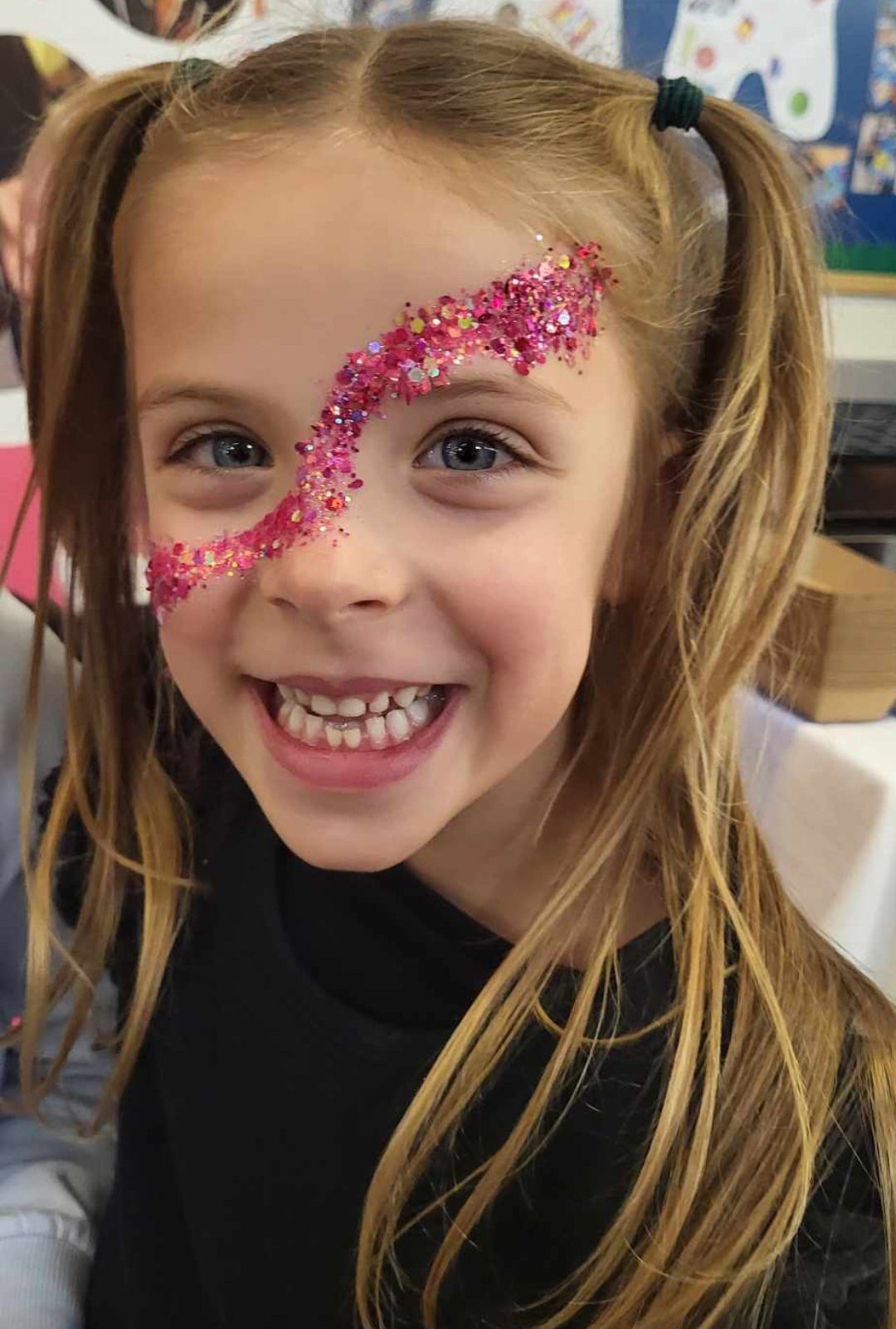
“The nurses always give her stickers, which she loves, and at Christmas, there’s a party at the hospital which we all go to with games, crafting and raffles. One of the surgeons even dresses up as Santa and hands out gifts.”
While it’s possible that Sophia may grow out of JIA, which around 50% of children do, Rachel says that she worries about the future. Sophia’s medication means she may have fertility struggles, and immunosuppressants increases the risk of preeclampsia, premature birth or delayed fetal development.
Hospital visits have taken its toll on Sophia too, who now struggles with anxiety.
“She worries a lot,” says Rachel. “She’ll ask me if the tap’s off after she’s been to the toilet, or if the front door’s locked when we get in the car on the school run.”
“And she struggles at night time to sleep. She likes to be close to me.”
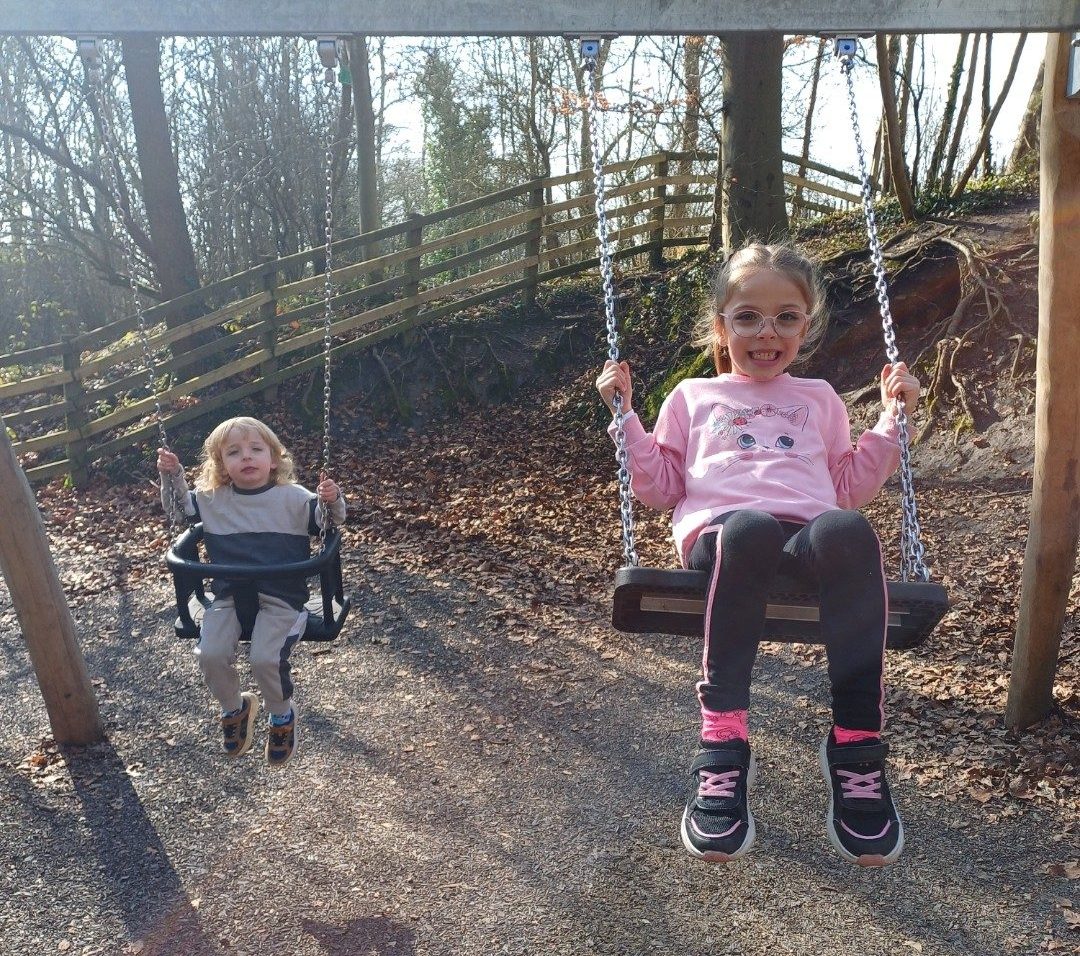
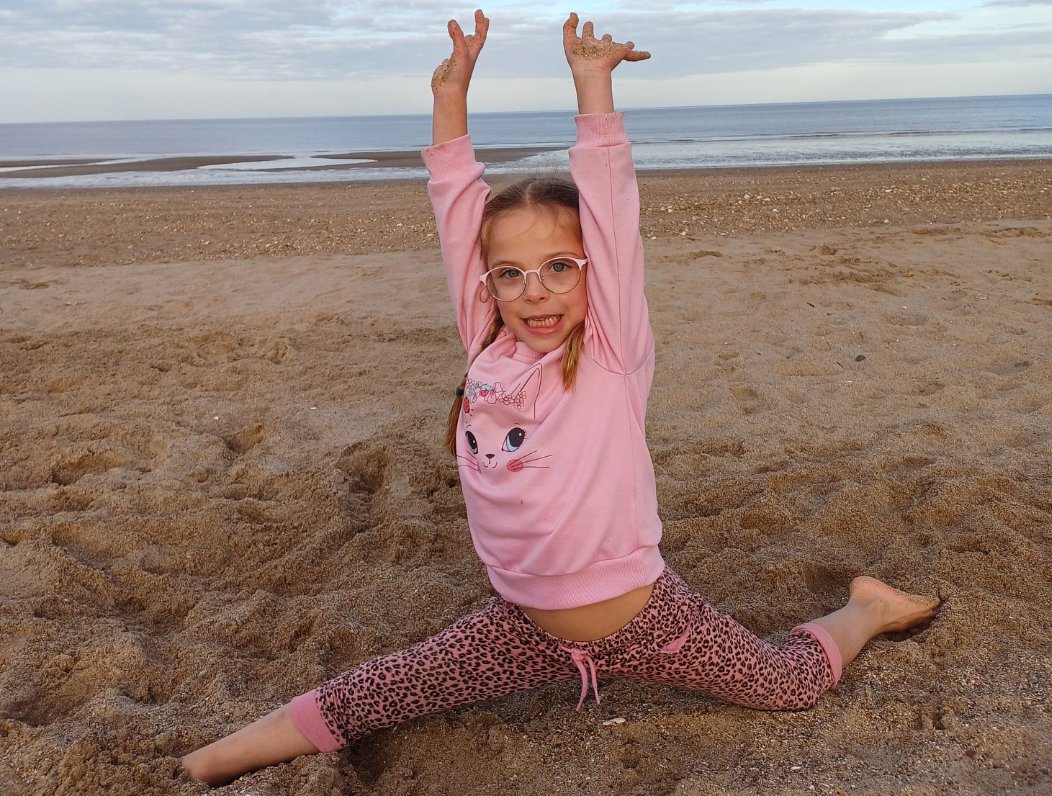
Sophia now has a play therapist who she sees every week and, despite her challenges, she always tries to get involved. “In the past two years she’s been first in her school race on Sports Day. She never gives up,” says Rachel. “She does swimming and tennis lessons, and she taught herself handstands and cartwheels. She’s learned how to ride a bike and her little brother, Henry, follows her around.”
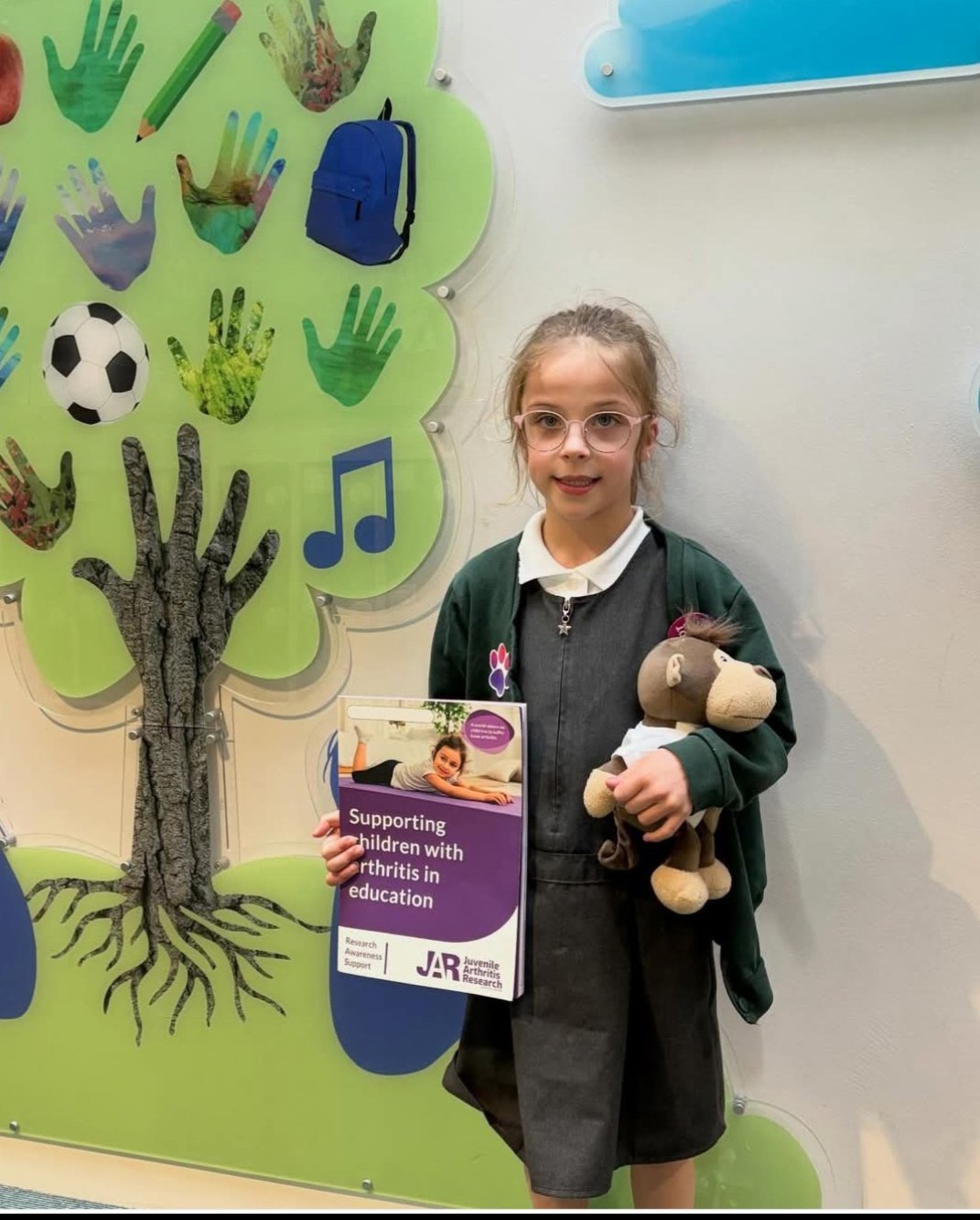
Sophia even gives talks in her school each year to tell the other children about her condition. Rachel said: “She’s amazing. When I was her age, I would never do that.”
Now, the family are looking forward to a busy summer together. “She loves playing on the beach,” says Rachel. “She’ll play there all day, paddling in the sea.” “She makes new friends easily. She’s such a kind, loving girl.”
Do you have a story to share? Get in touch by emailing [email protected]. Sign up to ‘s The Slice newsletter for your guide to what’s on in London, with trusted reviews, offers and giveaways.