A Journey of Hope and Resilience
Pegah Kamal-Bugeja’s journey to motherhood has been a long and challenging one. On the same day she learned she had miscarried, a close friend and colleague approached her to share the news that his partner was pregnant. This moment highlighted the emotional complexity of Pegah’s situation, as she found herself smiling and congratulating him while internally struggling with the pain of another loss.
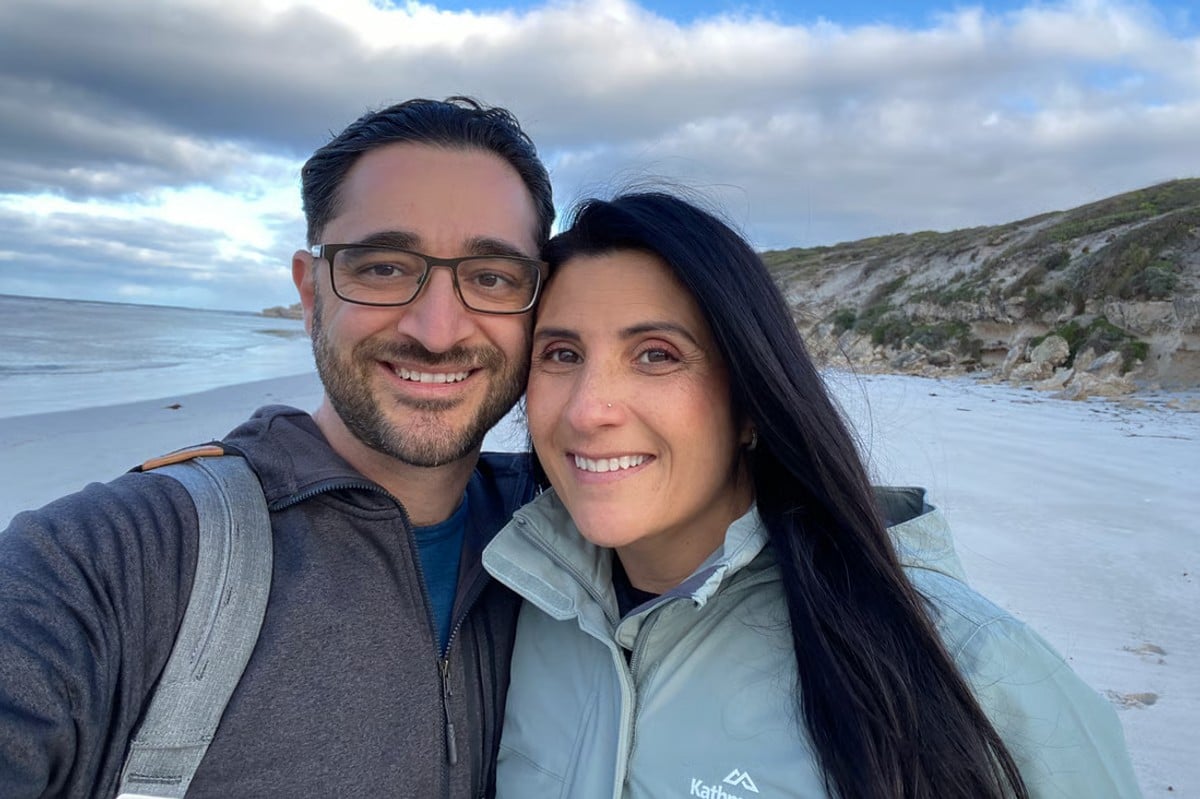
Pegah, now 46, always knew she wanted to be a mother. Growing up in a large family filled with aunties, uncles, and cousins, she naturally assumed that having children would be an inevitable part of her life. She met her partner, Stephen Bugeja, and relocated from America to Australia to be with him. Their marriage marked the next logical step: starting a family.
However, what Pegah expected to be a straightforward process turned out to be anything but. After 13 IVF cycles and spending tens of thousands of dollars on medical bills, she and Stephen are still working towards welcoming their first child into the world. The cost of this journey is not just financial but also deeply physical and emotional.
The Emotional and Physical Struggle
The IVF process has been grueling for Pegah. Each cycle involves weeks of hormonal injections, surgeries, and an emotional rollercoaster. She described the experience as a mix of hope and grief, where she would cry one minute and laugh the next. The constant uncertainty and the loss of each embryo have left her feeling like she is dealing with a “constant sense of loss.”
Pegah recalls how during the early stages of her IVF journey, which coincided with the height of the COVID-19 restrictions, she often attended appointments alone while Stephen waited in the car. This isolation added to the emotional weight of her journey.
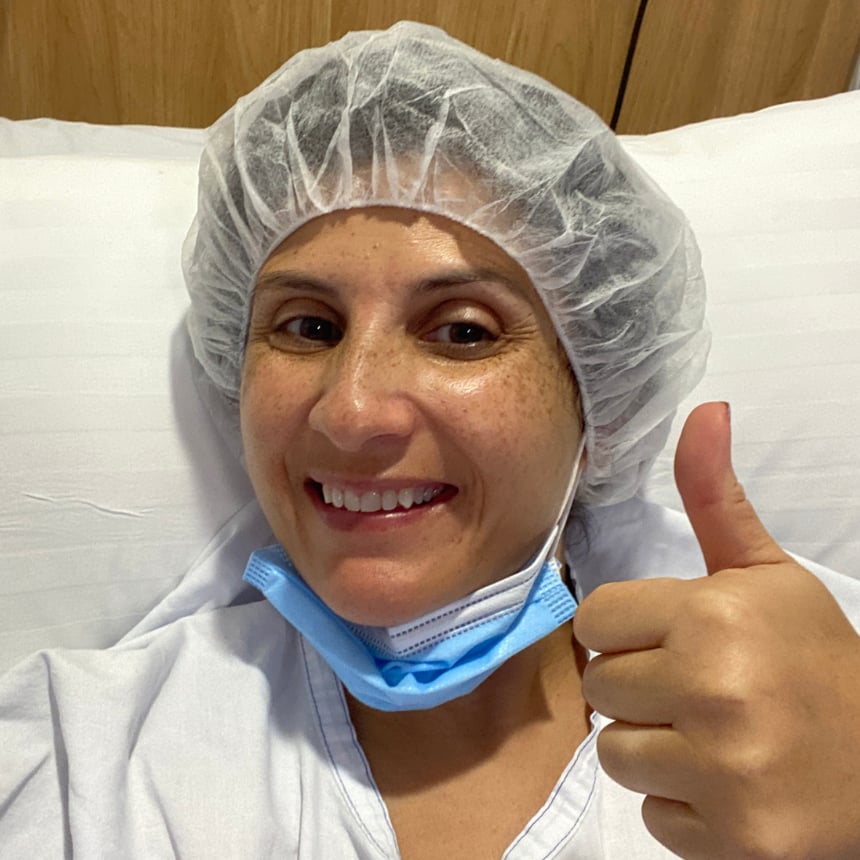
Pegah has been through 13 – nearly 14 – IVF cycles. Image: Supplied.
Navigating the Challenges
Despite the difficulties, Pegah remains hopeful. She acknowledges that there have been moments when she felt overwhelmed, even crying in the pantry at times. However, she credits her husband, Stephen, for helping her manage the logistics and emotional toll of the process.
Financially, Pegah is grateful for the support she receives in Australia through Medicare. She notes that the cost of IVF in the United States is significantly higher, making it almost impossible for her and Stephen to afford the treatment there. While the Australian system has provided some relief, the costs have still accumulated over the past five years, and they are preparing for a 14th round of IVF.
Workplace Support and Change
Pegah’s experiences have also influenced changes at her workplace, ServiceNow, where she serves as the APAC Social Media and Thought Leadership lead. The company has introduced family planning benefits, including around $45,000 in assistance for IVF treatment and a comprehensive family-building program. This includes access to emotional support, pre-conception coaching, reproductive health resources, and financial assistance.
The support from her colleagues has made a significant difference. Her manager and team have become an extended part of her family. Small adjustments, such as installing sharps disposal bins for her injections and renaming the “mother’s room” to a “wellness room,” have helped create a more supportive environment.
Looking Ahead
As Pegah prepares for her 14th IVF cycle, she remains hopeful. She knows that the journey may require exploring other paths to build her family, but she is confident in her resilience. Going through 13 — soon 14 — IVF cycles has taught her about her strength and ability to endure.
“I’m excited right now because there’s hope,” she said. “I always tell myself one way or another we will have a family, whatever that looks like.”