Understanding Glioblastoma
The death of Richard Scolyer, a former Australian of the Year, has brought attention to glioblastoma, one of the most aggressive forms of brain cancer. This type of cancer is notoriously difficult to treat and has a low survival rate despite ongoing research and funding.
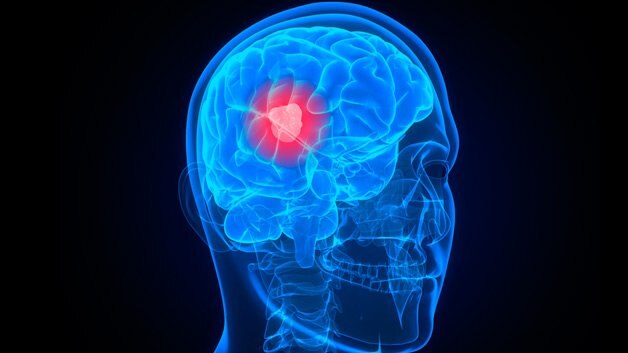
Glioblastoma belongs to the glioma family of tumors and is classified as a stage 4 brain cancer. It develops from glial cells, which support neurons in the brain. These tumors accumulate several mutations, leading to uncontrolled proliferation. The result is a rapidly growing tumor that is challenging to manage.
Survival Rates and Impact
Glioblastoma affects nearly half of all primary malignant brain tumors. Globally, approximately 200,000 people die from this condition each year, including around 1,000 Australians. The average survival rate for patients is between 12–18 months, with only five percent surviving longer than five years.
Professor Scolyer was diagnosed in June 2023 after experiencing a seizure while in Europe. He became “patient zero” for a world-first immunotherapy treatment before surgery, which temporarily removed the tumors. However, the cancer eventually returned, highlighting the challenges of treating this aggressive form of cancer.
Causes and Risk Factors
Despite extensive research, the exact causes of glioblastoma remain unclear. There is no known single mutation that can be used for diagnosis, and it is uncertain whether lifestyle factors or genetics play a role. Professor Lenka Munoz, a professor of molecular cancer pharmacology, emphasizes that the reasons behind the development of glioblastoma are still not fully understood.
Treatment Challenges
Current treatments for glioblastoma include surgery, chemotherapy, and radiation. However, these methods often fail to eliminate the cancer completely. The tumors are diffusive, meaning they spread throughout the brain, making it impossible to remove all of them through surgery.
Additionally, the brain’s blood-brain barrier poses a significant challenge in delivering medication effectively. This protective barrier prevents many drugs from reaching the brain, limiting the effectiveness of chemotherapy. Even when some cells are killed, drug-tolerant “persistor” cells may remain dormant and eventually lead to recurrence.
Symptoms and Diagnosis
Symptoms of glioblastoma can be gradual and may not be noticeable at first. As the tumor grows, common symptoms include headaches, confusion, memory loss, motor weakness, and seizures. Personality changes, difficulty concentrating, and speech problems may also occur. Often, the condition is diagnosed when the tumor has grown large enough to cause brain swelling.
Future Research and Hope
Recent advancements in treatment offer some hope. Professor Scolyer participated in a world-first immunotherapy trial, which delayed the removal of his tumor to allow for personalized treatment. Although the cancer eventually returned, this approach highlights the potential of innovative therapies.
Research led by Professor Munoz, published in Nature Communications, has identified that certain cells within glioblastomas use a fertility gene to reprogram their metabolism, allowing them to survive and regenerate the tumor. This discovery could pave the way for new treatment strategies.
While there is optimism about future treatments, experts caution that progress is still in early stages. Professor Simes notes that many promising approaches have failed in clinical trials. However, there is a consensus that a combination of therapies will likely be necessary to effectively treat glioblastoma.
Conclusion
Glioblastoma remains a formidable challenge in oncology. Despite advances in understanding and treatment, the disease continues to pose significant obstacles. Ongoing research and innovative approaches are essential to improving outcomes for patients. The legacy of individuals like Richard Scolyer underscores the urgency of finding more effective treatments for this devastating condition.