Bangarra Dance Theatre’s ‘Sheltering’: A Triple Bill Celebrating First Nations Creativity and Resilience
Under the artistic direction of Frances Rings, Bangarra Dance Theatre’s latest production, Sheltering, presents a compelling triple bill that highlights the company’s commitment to nurturing First Nations talent and engaging diverse audiences. This collection of three distinct choreographic works serves as a powerful showcase of Bangarra’s contribution to the cultural, political, and creative landscape of Australia.
Rings’ curatorial vision for Sheltering demonstrates a deep care for both the artists and the audience, offering a cohesive experience that resonates with contemporary Australian identity. The production is a vibrant testament to the enduring spirit and artistic prowess of First Nations creatives.
A Nurturing Home for First Nations Creatives
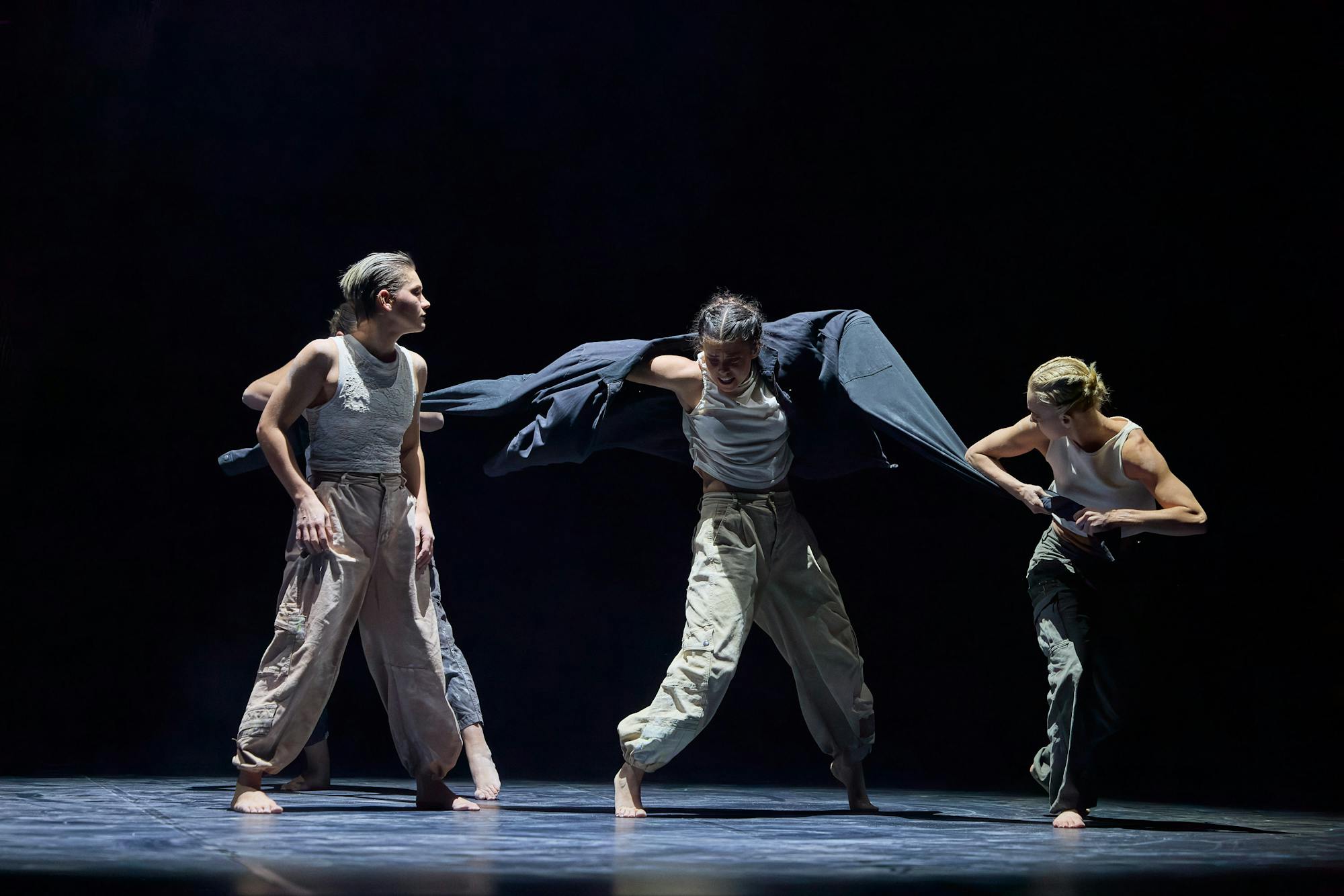
Sheltering features three individual choreographic pieces: Keeping Grounded, Brown Boys, and Sheoak.
Sheoak: This piece, originally created by Frances Rings in 2015 and commissioned by then Artistic Director Stephen Page, returns to the stage.
Keeping Grounded (2023): Choreographed by Indjalandji-Dhidhanu and Alyawarre woman Glory Tuohy-Daniell, this work features a cast of eight company dancers.
Brown Boys (2024): The most recent addition to the repertoire is a short dance film directed by Cass Mortimer Eipper and Daniel Mateo. Mateo, a Bangarra company member, is of Gomeroi and Mari Ma’ufanga, Tongatapu (Tonga) heritage.
Both Brown Boys and Keeping Grounded were initially developed and showcased in Bangarra’s emerging artist program, Dance Clan, before being elevated to the mainstage. The creators, Tuohy-Daniell and Mateo, are graduates of NAISDA, Australia’s National Indigenous Dance College, and joined Bangarra through its Russell Page Graduate Program. This program is instrumental in providing essential training and mentorship for aspiring dancers entering the professional company.
Keeping Grounded: Rooted in Connection
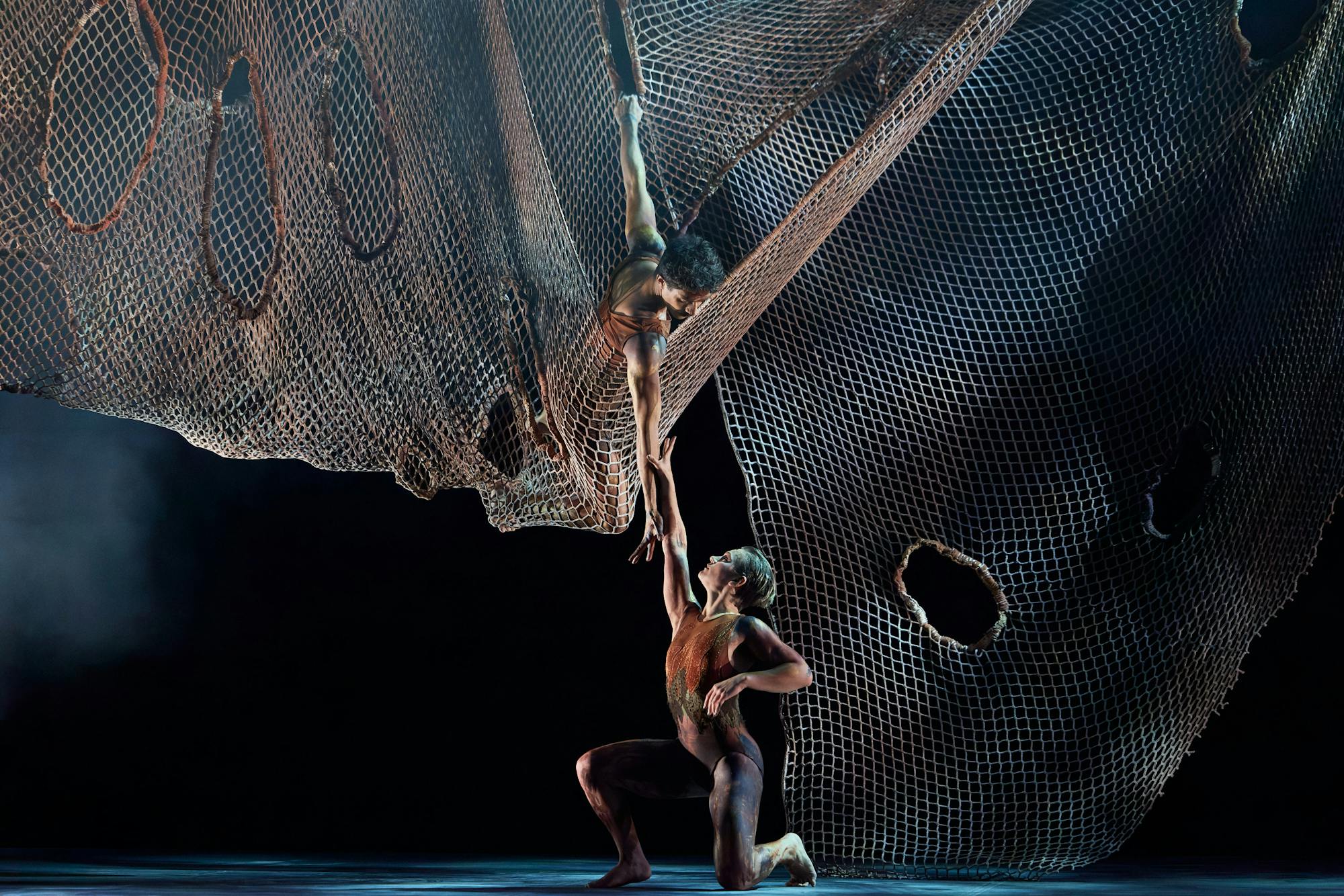
Keeping Grounded opens with a striking visual: a vast and heavy rope net, designed by Dyarubbin woman Shana O’Brien. Beneath this imposing structure, dancers move with a visceral, almost primal energy, likened to a catch of fish.
The lighting design by Karen Norris is crucial in establishing the work’s atmosphere. Its textured quality evokes coastal environments and adeptly shifts the scene, transitioning from a direct evocation of Country to a more technologically influenced aesthetic.
In an interview, choreographer Glory Tuohy-Daniell explained her intention for the work: “We invite viewers to consider how small, almost forgotten actions keep us grounded… a step barefoot, a moment of stillness, a return.” This sentiment is profoundly reflected in Tuohy-Daniell’s movement vocabulary, which is characterised by a literal groundedness, directly referencing the work’s central theme.
The initial sections of Keeping Grounded see the dancers physically tethered to the floor. Their movements deviate from Bangarra’s signature style of angular, rolling, swooping, and sharply defined shapes, instead presenting a deliberately fractured interpretation.
Set to a score by Brendon Boney, the choreography in this section is punctuated by a staccato rhythm, with one movement per beat. This deliberate fragmentation suggests a disconnect from the natural flow of the environment. This “pixellated” quality imbues familiar forms with a new and exciting dimension.
Brown Boys: A Cinematic Exploration of Identity
The six-minute dance film, Brown Boys, offers a poignant meditation on the experiences of young First Nations men. Daniel Mateo, who is the writer, choreographer, and a performer in the film, draws from his rich cultural heritage, encompassing northern New South Wales and Tonga.
The program notes describe Brown Boys as a holistic artistic creation, integrating poetry, choreography, cinematography, sound, and dramaturgy.
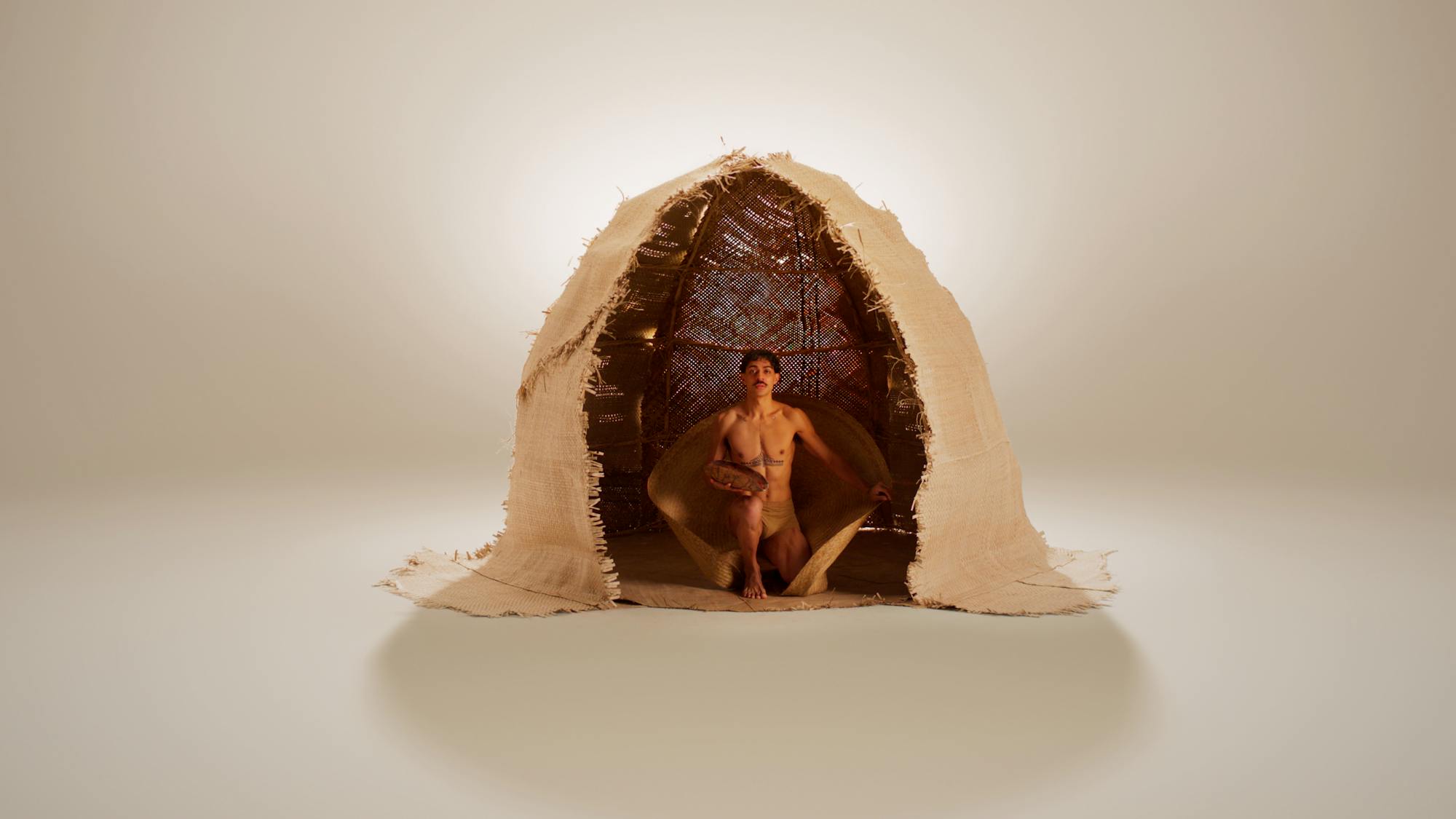
A significant element of the film is its use of sculpture. Set and costume designer Elizabeth Gadsby has incorporated traditional forms to establish a culturally informed aesthetic. A prominent feature is the fale (pronounced “fah-lay”), a traditional Tongan shelter constructed from grass matting. This structure serves to frame Mateo’s body within the cinematic space, adding a layer of cultural significance.
Materials such as ochres, minerals, and soils are also integral to the design and choreography, further grounding the film in the earth. The film culminates in a powerful final image where Mateo is literally rooted to the ground by a mound of soil that forms the silhouette of a 19th-century crinoline skirt.
Mateo’s text and performance are exceptional. His direct and unwavering gaze at the camera, his gentle, unfolding movements, and his spoken word poetry imbue the figure of the young Indigenous man with visibility, dignity, and profound complexity. The assertion that he has “always been beautiful” is conveyed with undeniable persuasiveness.
Sheoak: Metaphor for Resilience and Legacy
Frances Rings’ exceptional skill in group choreography was recently evident in her commissioned work for the Australian Ballet, Flora. Following her significant contribution to Vivid 2025, the revival of one of her earlier classics, Sheoak, feels particularly timely.
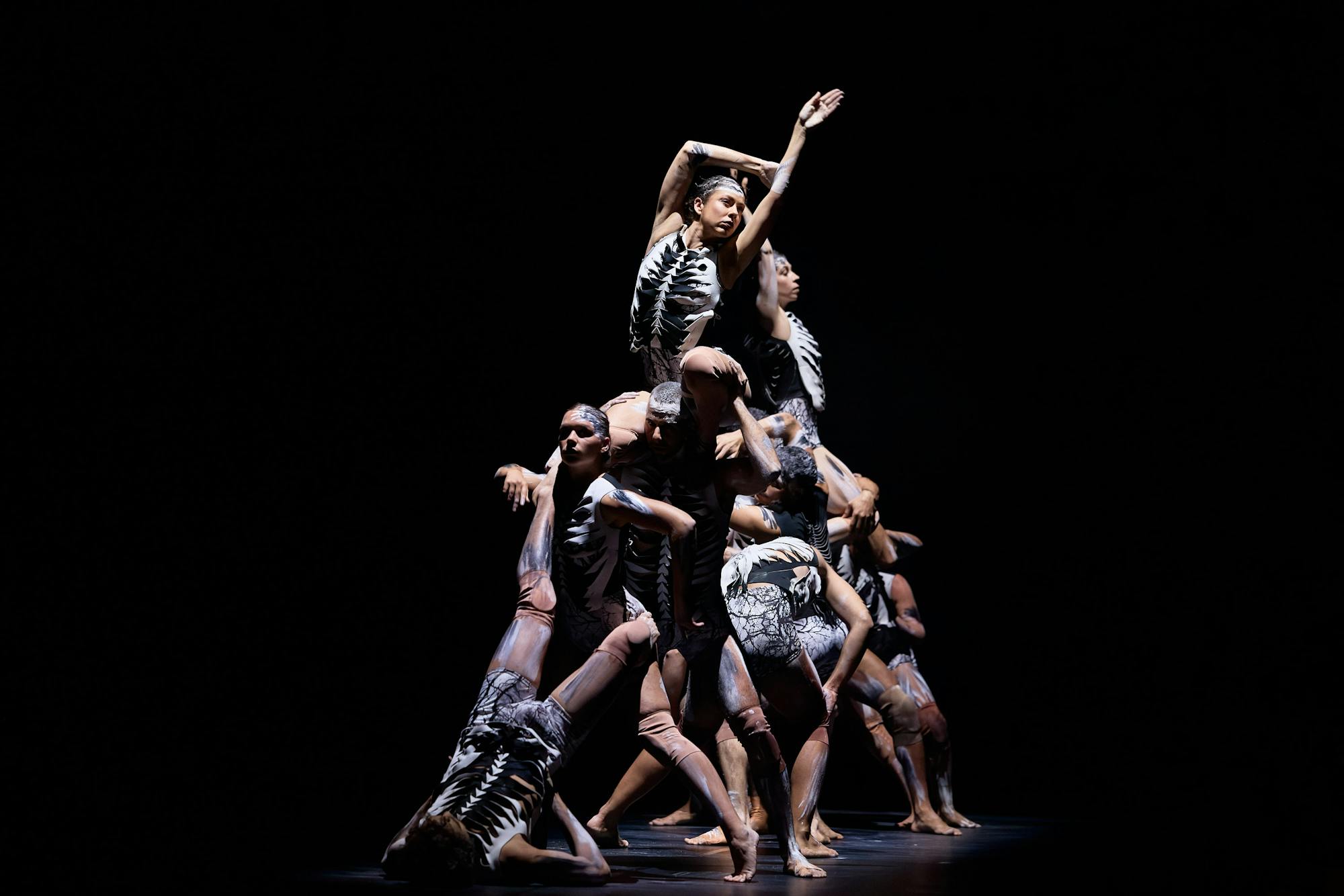
The opening image of Sheoak is a powerful showcase of both Rings’ choreographic artistry and Jennifer Erwin’s remarkable legacy as a costume designer. The dancers are adorned in shirts featuring stark black and white streaks, resembling skeletal puzzle pieces that interlock to form larger human sculptures.
The central metaphor of Sheoak is the sheoak tree itself, symbolising cultural strength, resilience, and adaptability. Dancer Chatelle Lee Lockhart delivers a captivating performance as the “Grandmother tree,” a designation held by the Dharawal people.
The choreography unfolds in dynamic interplay with Jacob Nash’s set design, which features seven two-metre-long branches. The passing of these branches between dancers signifies the ongoing struggle and importance of transmitting cultural responsibility and knowledge across generations.
The company of technically virtuosic dancers appears entirely at home within each of the three diverse works presented in Sheltering. The program particularly highlights the immense potential of Glory Tuohy-Daniell as a rising star in Australian choreography.
Sheltering is dedicated to the memory of David “Dubboo” Page, brother of former Artistic Director Stephen Page. David’s profound contributions as a composer, singer, and musician were foundational to establishing the distinctive Bangarra aesthetic, and his music is featured in Rings’ Sheoak.
Sheltering is currently showing at the Sydney Opera House until June 13. The production will then tour to the Arts Centre Melbourne from June 18 to 27, and to the Queensland Performing Arts Centre from July 9 to 18.
This review is offered by an Australian of Irish and Danish descent, whose ancestry includes political exiles, convicts, and settlers. The author operates within the Western tradition of contemporary art and dance, while holding a deep respect for the ancient and profound cultural traditions that intricately bind music, dance, painting, sculpture, and site within the art of Indigenous peoples.