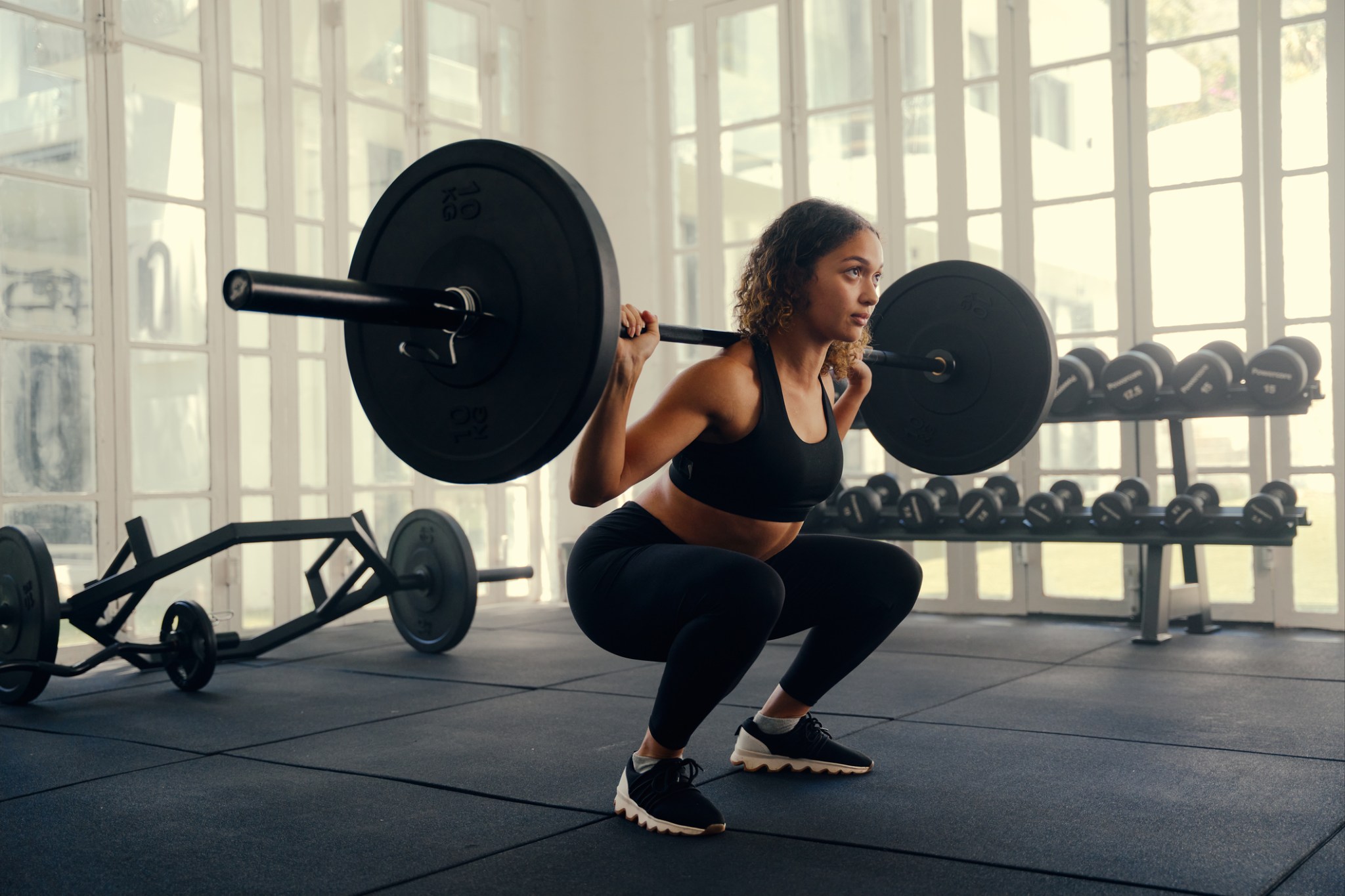
If you hope to lift weights for longevity, a new study may have discovered the ideal session length.
Researchers from Harvard’s public health program pulled from years of exercise-monitoring data to evaluate how many minutes per week an individual should perform strength training in an effort to boost longevity.
An ‘interesting finding’
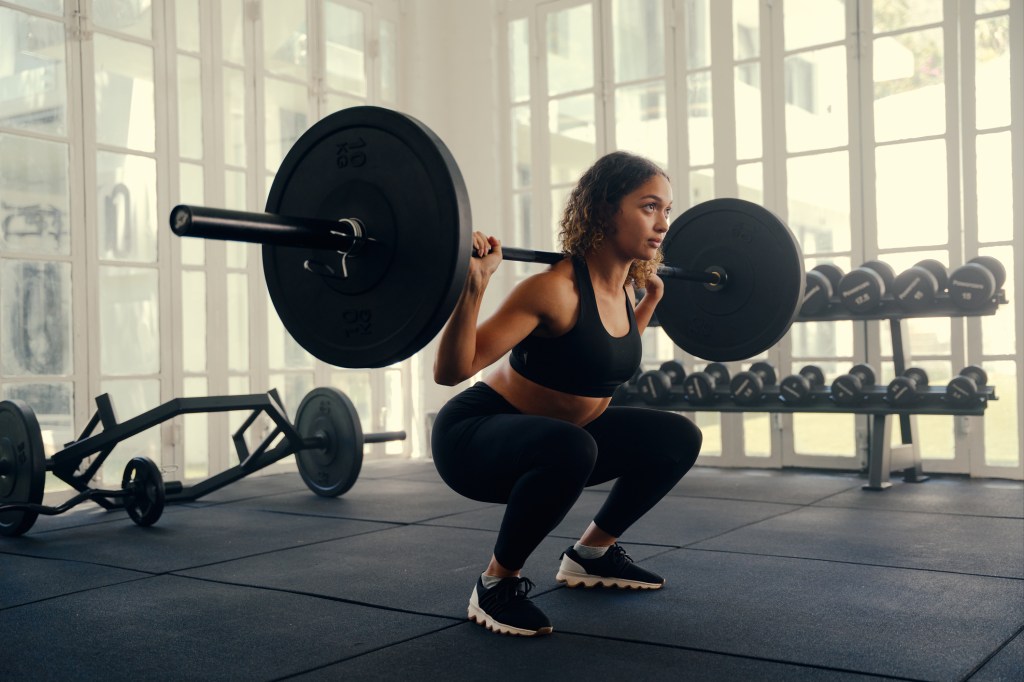
According to the study, the sweet spot appears to be between 90 and 120 minutes weekly.
The findings also show that combining strength training with aerobic training provided a significant boost, while lifting weights beyond the 120-minute marker did not provide a noticeable benefit.
That amount of time lifting weights reduced the risk of all-cause mortality by 13%, the researchers wrote. The risk of death by cardiovascular disease fell by 19%, while the risk of death by neurological disease was cut by 27%.
“The benefits of aerobic activity for longevity are already well established,” study authors Dr. Yiwen Zhang and Dr. Edward Giovannucci told in an email.
“What has been less clear is how resistance training relates to long-term mortality risk, especially at different volumes and in combination with aerobic activity.
“One interesting finding was that higher resistance training was associated with lower neurological disease mortality. This was not entirely surprising, because growing evidence suggests that strength training may help preserve cognitive function.”
Preserving Independence
Study participants who only did aerobic exercise lowered their risk of death by between 26% and 43%, while combining aerobic exercise and weekly strength training reduced the mortality risk by 45%.
The researchers added that their results show the value of being intentional about the time spent performing exercises, as well as the type of exercise.
“Resistance training may support longevity through several pathways,” Zhang told . “It can improve muscle strength, body composition, glucose metabolism and physical function.
“It may also help preserve independence, reduce frailty, and improve mental health and quality of life, especially in older adults.”
‘Realistic and sustainable’
Zhang emphasized that aerobic exercise is still important.
“We would encourage people to start with what is realistic and sustainable,” Zhang said. “For people who already do aerobic activity, adding even some resistance training may provide additional benefit.
“For people who are less active, small amounts can still matter, and building a routine gradually may be more effective than trying to do too much at once.”
More Exercise Coverage
has previously covered what science says about how exercise can increase a person’s longevity.
Research shows that getting at least 8,500 steps per day—along with dieting—is a great way to keep weight off long-term after a person loses the weight.
Other researchers, meanwhile, specifically noted exercise, consistent movement, eating well, sleep and stress management as five crucial areas that young people should look to build with an eye on living healthy as they age.
Finally, researchers found that weight lifting was better than extensive running and cardio at preventing diabetes and obesity for an individual as they get older, although a combination of cardio and weight lifting was ideal.
Related Articles