A Prehistoric Cave Unearthed in Fureidis
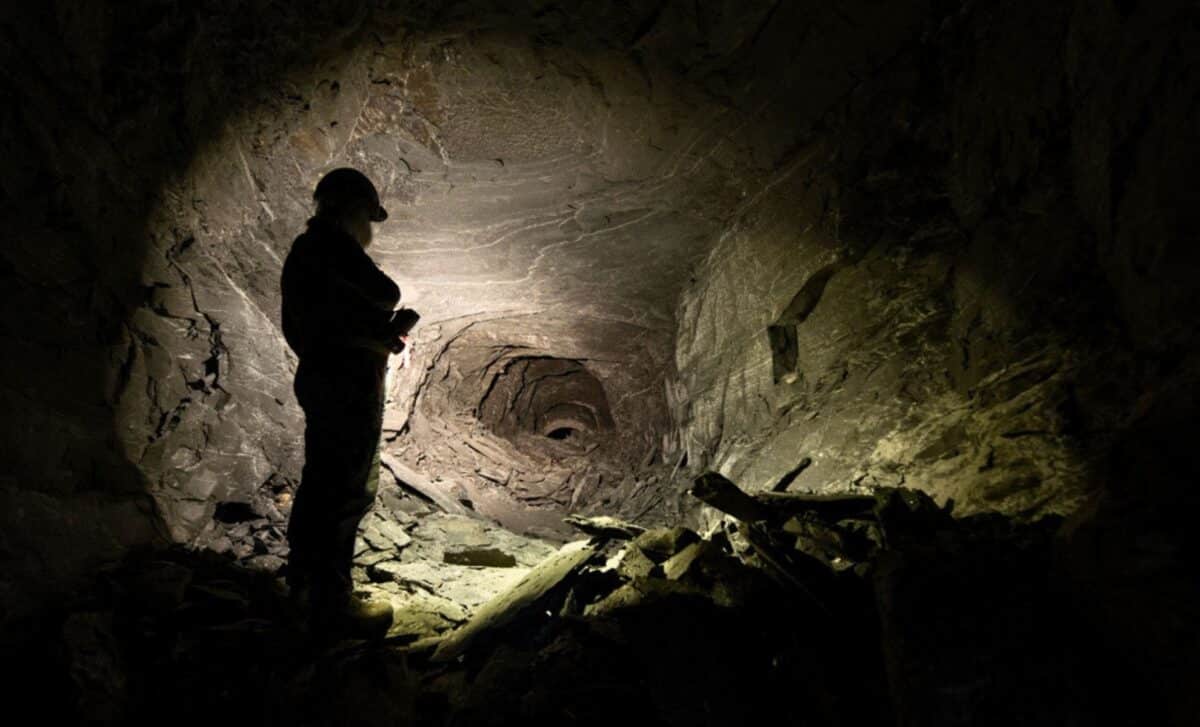
A prehistoric cave, dating back between 400,000 and 250,000 years, is being uncovered on the outskirts of Fureidis, a town south of Haifa near the Zikhron Ya’akov interchange. This remarkable discovery has been described as a time capsule that remained sealed for hundreds of thousands of years.
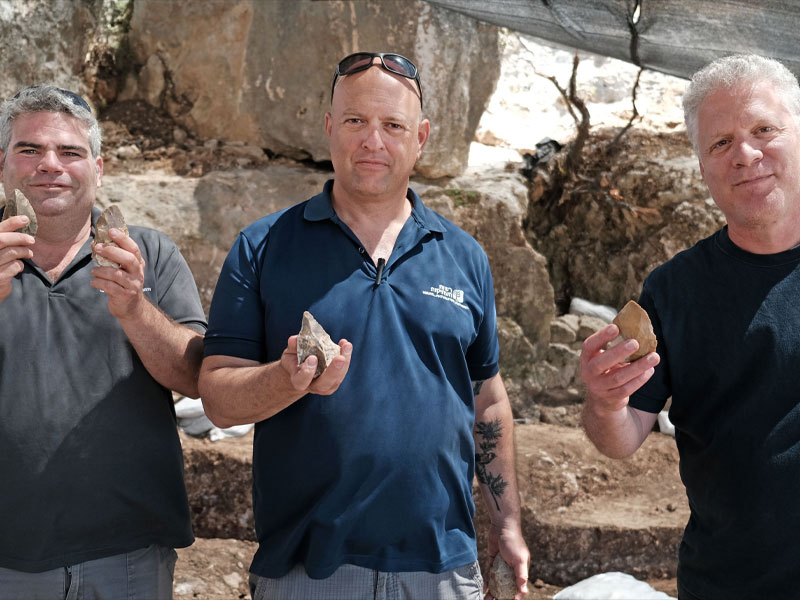
The excavation is funded by the Ayalon Highways Company and directed by Dr. Kobi Vardi and Amit Gabbay of the Israel Antiquities Authority, working with Prof. Ron Shimelmitz of the Zinman Institute of Archaeology and the School of Archaeology and Maritime Cultures at the University of Haifa.
The cave belongs to the Acheulo-Yabrudian culture, a group of archaeological cultures found in the Levant at the end of the Lower Paleolithic era, a period that came just before Neanderthals and modern humans spread across the region.
Sealed for Hundreds of Thousands of Years
Researchers describe the cave as a time capsule because it stayed closed off from the outside world for an extremely long stretch of time, which allowed its contents to survive undisturbed. This kind of long-term sealing is unusual, and it is part of what makes the site stand out from other prehistoric locations in the region.
Prof. Shimelmitz said the team was fortunate to excavate a site of this importance, noting that exceptional conditions at the location protected it from the effects of time. He described the cave as belonging to a specific and narrow window at the end of the Lower Paleolithic era, just before Neanderthals and modern humans became the dominant populations and spread across the wider region.
Dr. Vardi, who heads the Prehistory Branch at the Israel Antiquities Authority, said it is very rare to find a site preserved in this condition. He compared its importance to the well-known Nahal Me’arot site, which dates to the same period, adding that the level of preservation will allow researchers to study how people lived at that time in unusually high detail.
Tools and Animal Bones Point to a Well-Used Camp
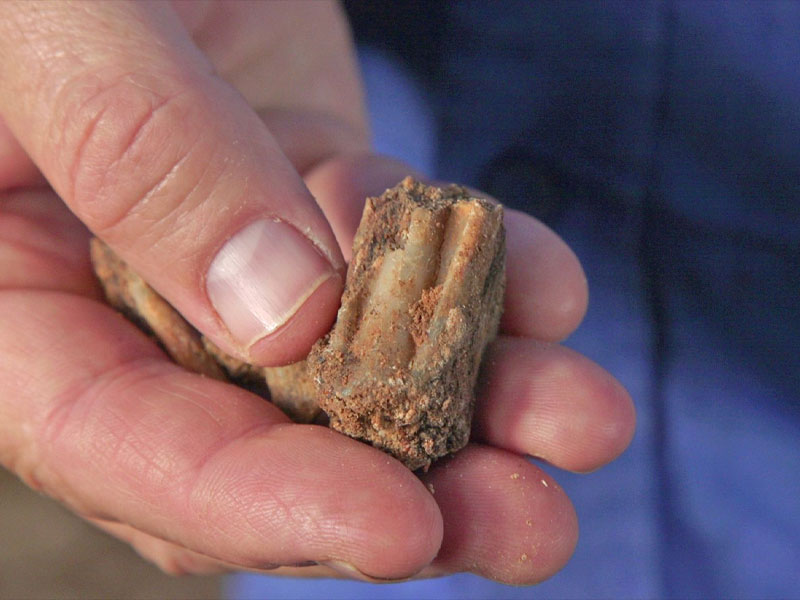
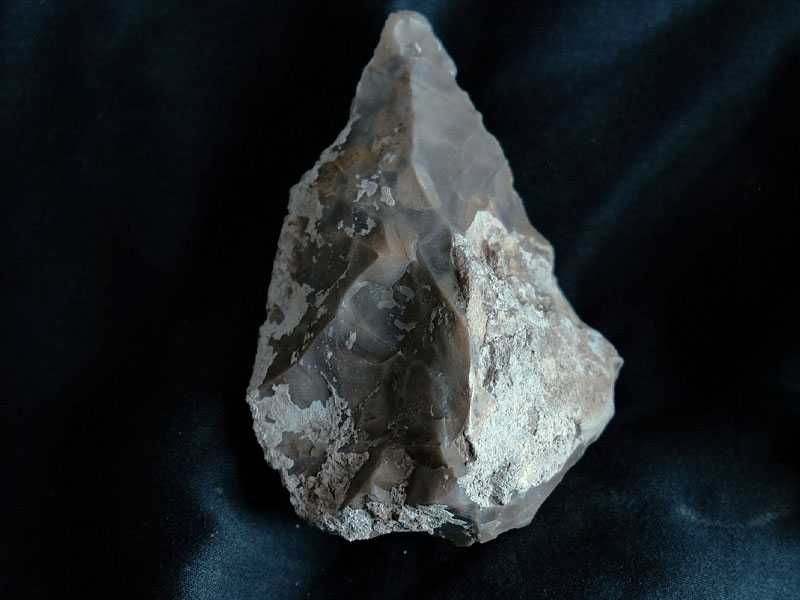
Excavators have already recovered a range of flint tools inside the cave, including small, sharp handaxes, scrapers, and blades. These tool types reflect the advanced production methods associated with the Acheulo-Yabrudian culture, a group known for refining stone tool technology during this phase of the Lower Paleolithic.
Handaxes were shaped stone tools used for cutting and processing tasks, while scrapers and blades served more specialized purposes. The presence of several different tool types together suggests that the people who used the cave were carrying out a range of everyday tasks there rather than passing through briefly.
Alongside the tools, excavators found animal bones belonging to fallow deer, gazelle, and ancient horses. These remains give researchers a picture of what animals were present in the area at the time and, combined with the tools found nearby, suggest that hunting and processing of game took place at or near the site.
Evidence of Water and Repeated Use
The team also identified evidence of water at the location, which researchers say may have made the site attractive to ancient hunter-gatherer groups looking for a reliable place to camp and return to. Taken together, the toolmaking debris, animal remains, and signs of water point to a location that was used repeatedly over time rather than visited just once.
A Rare Window Into a Transitional Period
Prof. Shimelmitz explained that the period represented by the cave sits at the end of the Lower Paleolithic era, shortly before Neanderthals and modern humans became the dominant populations across the region. He described the gradual changes in human physiology, technology, and society seen during this era as having foreshadowed traits that would later define both groups.
He added that these changes can, to some degree, be seen as the early seeds of the more complex culture that followed. One of the central developments of the period, he said, was a shift toward living in larger groups and spending longer stretches of time at the same sites, rather than moving on quickly.
Caves from this period have yielded evidence of intensive fire use and prolonged human activity, which researchers say points to a complex and active camp life. Many researchers connect this pattern of extended, more settled camp life with the growth of social cooperation and the passing of knowledge between generations, both seen as important steps in human evolution.
Excavation Grew Out of Routine Highway Construction
The dig exists because of a planned road project. In Israel, construction work is required to be preceded by a salvage excavation, a check for archaeological remains before building begins, and this project is being carried out with funding from the Ayalon Highways Company as part of that process.
What began as a standard pre-construction check turned into a much larger undertaking once the significance of the site became clear. Following the discovery, the Israel Antiquities Authority and the University of Haifa are now moving to expand the work into a large-scale research program aimed at reconstructing how people in this period lived, adapted to their surroundings, and developed new technologies and social patterns.
The researchers said they appreciate the cooperation shown by the highway company in allowing the excavation to proceed alongside the construction plans. Their stated hope is that once the research is finished, the site will be opened to the public, including residents of Fureidis, students from the nearby school, and anyone with an interest in the region’s prehistory.