A Global Feast: Exploring Traditional Christmas Dishes Around the World
For many, the traditional festive feast is a time of joy and celebration. However, for some, it’s a rather dreary affair. The dry turkey, overcooked sprouts, and lumpen Christmas pudding can be a letdown. It’s hard to imagine that this was once considered a grand celebration. In fact, the shift away from more varied and flavorful dishes may have been influenced by literary figures like Charles Dickens.
Dickens’ “A Christmas Carol” played a significant role in shaping modern Christmas traditions. The story helped to push traditional dishes such as the stuffed boar’s head, beef, and goose off the festive table and replace them with turkey. If only Scrooge had ignored those pesky ghosts and remained an old miser, turkey might have stayed in the butcher’s window, well away from the Great British Christmas lunch.
Despite this, there are some very fine British turkeys out there, packed with flavor and bursting with succulence. Turkey is not entirely foreign to the British table, having been devoured by the rich since the reign of Henry VIII. Still, there’s a longing for the pagan Christmas of old, an epic, no-holds-barred Bacchanalia, where things got rather wild.
A Unique Twist on Christmas: Japan’s Kentucky Fried Chicken Tradition
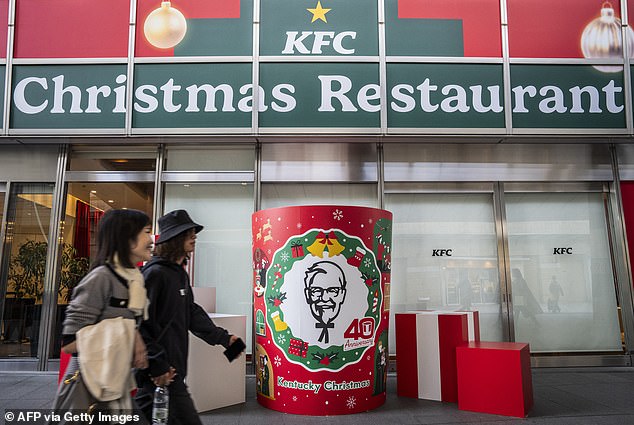
If you’re looking for something different, Japan offers a unique take on Christmas. The most popular Christmas lunch in the country is the Kentucky Fried Chicken Christmas Party Barrel. This £25 special-edition bucket includes eight pieces of fried chicken, a gratin, and some form of pudding. The slogan goes, “Kentucky is Christmas!”
This tradition started in 1970 when the first ‘Kentucky’ (as it’s known in Japan) opened in Nagoya. A manager named Takeshi Okawara overheard an expat bemoaning the lack of turkey on Christmas Day. So he came up with the Christmas Party Barrel, choosing chicken as a substitute for turkey. By 1974, it went nationwide, with Colonel Sanders dressed in Father Christmas garb, and it’s been Christmas at Kentucky ever since.
Unusual and Exotic Dishes from Around the World
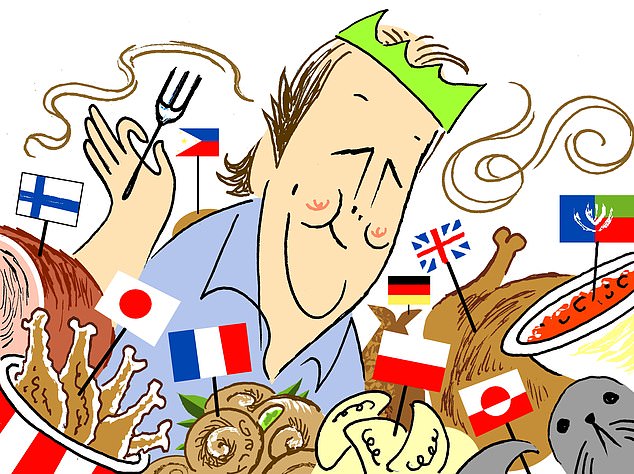
Some traditional dishes from other countries sound less familiar – and a little less appealing. For example, in Greenland, ‘kiviak’ is a festive specialty made by disembowelling a seal and stuffing it with up to 500 small Arctic birds. The whole thing is then buried to ferment for up to 18 months before being eaten by biting off the head and sucking the juices out.
Another Christmas classic in these parts is ‘mattak’, whale skin with a bit of blubber attached, eaten raw, deep fried or pickled. While I wouldn’t judge other cultures’ culinary quirks, even I would stick with turkey.
Traditional European Christmas Feasts
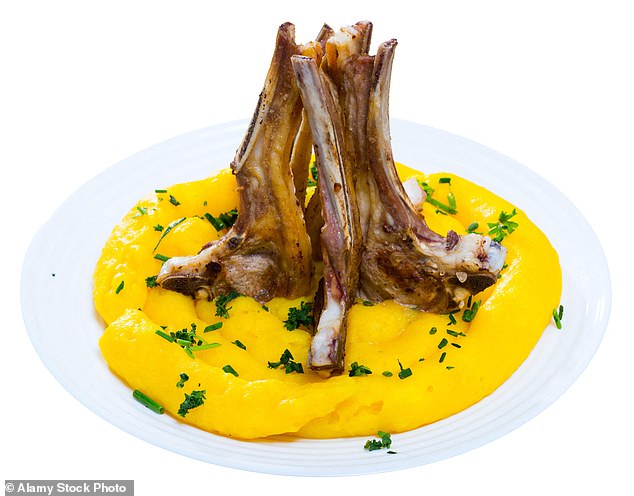
In Poland, the Christmas Eve feast consists of 12 dishes representing the 12 Apostles and the 12 months of the year. This includes carp, ‘barszcz’ (beetroot soup), pierogi dumplings, and various fruit and poppy-seed puddings. On the same day in the west of Norway, the scent of dry-cured lamb ribs, or ‘Pinnekjøtt’, cooked slowly over birch wood, fills the icy streets, accompanied by a bracing shot of aquavit.
The ribs are followed by ‘risgrøt’, a rice pudding in which an almond is hidden. The person who finds the nut traditionally wins a marzipan pig. A similar rice pudding in Denmark is called ‘risalamande’. Here, too, there is a hidden almond and a similar porcine prize. Alongside roast pork, herring plays a starring role for the Danes.
Festive Feasts Across the Globe
In France, Le Réveillon, or the Christmas Eve feast, is taken very seriously. Expect platters of oysters, langoustines, rillettes, gougeres, foie gras, and pain d’épices, along with soups, snails, lentil salads, turkey with chestnut stuffing, roast quails, capons, ducks, coq au vin, boeuf en daube, gratin dauphinoise, a glut of cheese, and ending with a bûche de Noël.
In Germany, the festive feast traditionally features fish on Christmas Eve, usually carp, salmon, or hake, with fried potatoes and sauerkraut. Lunch involves a roasted duck, turkey, or goose, with plump bread dumplings and braised red cabbage. For dessert, it’s stollen, obviously.
Unique Celebrations in Different Cultures
In Catalonia, Christmas lunch begins with ‘sopa de galets’, a broth made from beef and ham bones, plus chicken feet and pig trotters, simmered with meatballs and galets, those giant Catalonian pasta shells. A different sort of pasta and broth, ‘anolini in brodo’, is eaten on Christmas Eve in the Emilia-Romagna region of Italy.
Rolling and filling the tiny meat-filled pasta parcels is all part of the fun, and that great chef Angela Hartnett keeps up the tradition to this day, roping in the entire family in this delectable ritual.
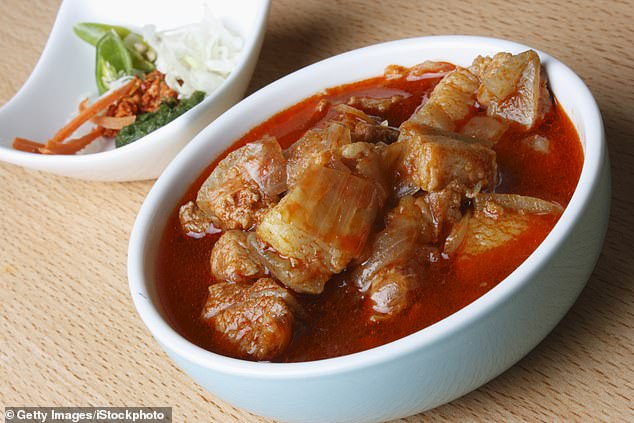
In Goa, the southern coastal state of India, the Portuguese influence is still strong. One of the few places in India where pork is widely eaten, ‘Sorpotel’ is a rather lovely dish eaten at Christmas, as well as at weddings and other celebrations. This is a vindaloo-style pork-and-offal stew, tangy with vinegar and with a good chilli whack.
A Variety of Christmas Traditions
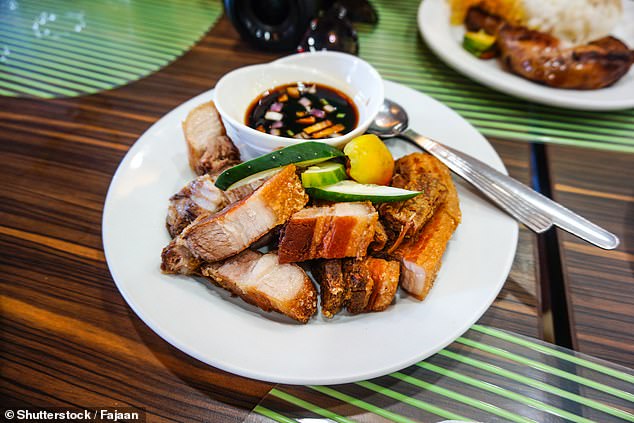
In the Philippines, the mighty ‘lechon’, or whole roasted pig, is the centrepiece of the Christmas Eve celebrations. The skin should be as brittle as stained glass, the meat seductively soft. Seasoned with salt, lemongrass, garlic, and bay leaves, it tastes as triumphant as it looks.
In Mexico, they take the feasting to ever headier heights, with ‘Nochebuena’ on Christmas Eve. Tables are laden with ‘tamales’, ‘pozole’, ‘moles’, and churros. In Australia, which celebrates Christmas in the summer heat, the barbie is king, featuring shrimp, crayfish, and other local crustaceans.
Personal Reflections on Christmas
For me, the truth is that turkey is the star of the Parker Bowles’s Christmas dinner for the wider family, with my mother, step-father, children, sister, brother-in-law, aunts, cousins, nieces, and nephews gathered round the table. It’s held the week before Christmas, before everyone disappears in different directions around the country.
But for my own Christmas Day at home, the gobbler is out of the question. I adore goose, but the kids tend to moan. So beef it is, a great four-rib roasting joint cooked very rare, with gravy, roast potatoes, sprouts with bacon, and pigs in blankets. Obviously. Because Christmas simply isn’t Christmas without an excess of chipolatas wrapped in bacon.
Yet the truth is I still yearn for the old Twelve Days of Christmas, a time of much carousing, mischief, and merry-making, all fuelled by industrial amounts of booze. Plus ca change, I hear you cry. But when the Victorians put the emphasis back on family – aided, once more by Dickens, and the high-church Oxford Movement of the 1830s and 1840s – we lost dishes such as the Christmas Pie.
For this, pheasants, hares, rabbits, capons, and pigeons were deboned, chopped, and mixed with their livers and hearts, along with two sheep’s kidneys, forcemeat balls, pickled mushrooms, salt, pepper, spice, and vinegar. The mixture was stuffed into a ‘crust of good bake’ shaped like a bird, and the whole thing filled with stock. This mighty mélange was then baked and finished with a pheasant’s head and feathers. Now that’s what I call a proper Christmas feast.