Economic Challenges and the Impact on High Street Sales
The current economic climate has left many retailers on high alert as they face a significant drop in consumer spending during this year’s Boxing Day sales. The situation is being described as a “£1 billion death knell to the High Street,” with shoppers opting out of traditional shopping experiences in favor of more cost-conscious decisions.
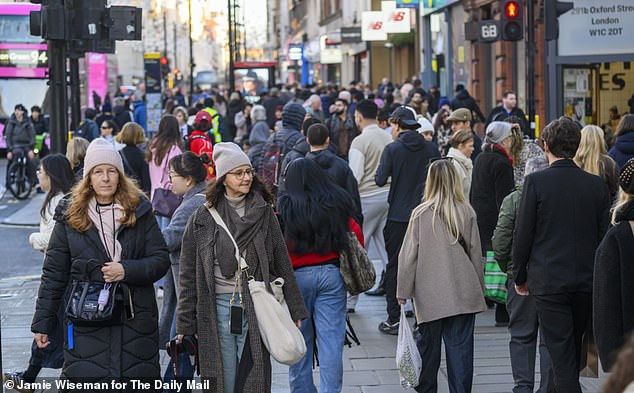
According to data from Barclays, 26% of Britons are expected to search for bargains today, which is a slight decrease from 28% in 2024. This shift reflects a broader trend of declining consumer confidence, with 69% of people stating that cost pressures will affect their spending this year—up from 47% in 2024. The Bank of England predicts that the country’s struggling high streets will only generate £3.6 billion from Boxing Day shoppers, a drop of £1 billion compared to last year.
This decline in footfall can be attributed to stretched household budgets, as more consumers are feeling the pinch of rising costs. The Conservatives and Reform UK have criticized Labour for presiding over a flatlining economy and collapsing consumer confidence. Shadow business secretary Andrew Griffith noted that Christmas has been reduced to a time for stocking up on discounted essentials rather than celebrating with family and friends.
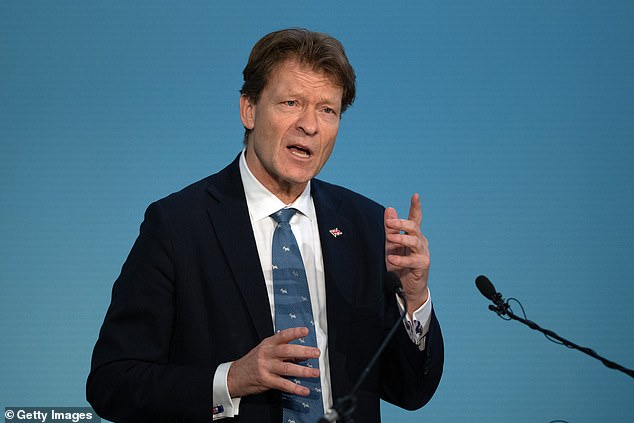
Reform deputy leader Richard Tice added that the government promised to get the cost of living under control but instead saw household bills soar, taxes skyrocket, and economic growth stagnate. As a result, shoppers are choosing to stay at home rather than support high street businesses.
Tax Policies and Their Effects
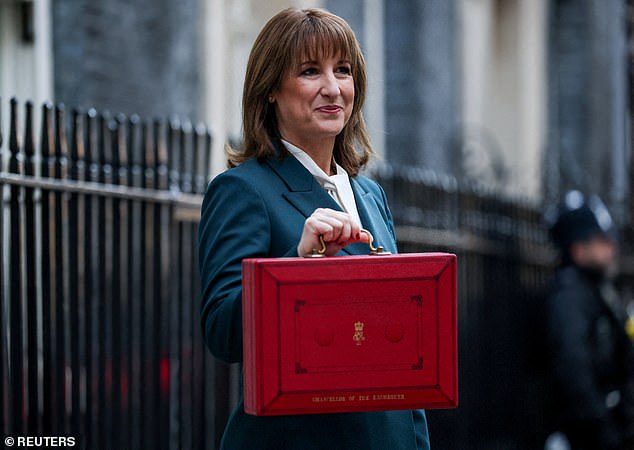
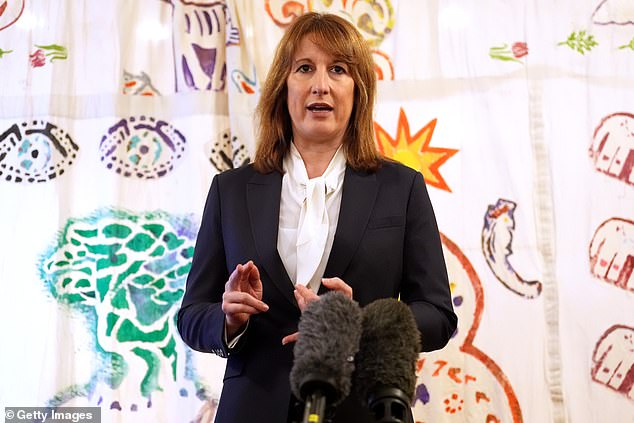
The situation has been exacerbated by recent tax policies introduced by Chancellor Rachel Reeves. Since becoming Chancellor, she has implemented an extra £66 billion in taxes, including a £25 billion raid on employers’ National Insurance contributions. Additional measures such as a hike in the minimum wage, extended business rates reforms, and new workers’ rights have further impacted businesses and damaged consumer confidence.
These policies have led to a significant shift in consumer behavior, with many opting for online shopping over in-store purchases. According to Barclays, two in five shoppers prefer online shopping, and 37% use artificial intelligence to find deals, research products, and compare prices. This trend is particularly pronounced among younger demographics, with 53% of 18 to 34-year-olds using AI tools, although half worry these tools may encourage overspending.
Retailer Strategies and Consumer Behavior
Despite the challenges, some retailers are adapting to meet the changing demands of consumers. Karen Johnson, head of retail at Barclays, noted that shoppers have demonstrated a strong sense of cost consciousness throughout 2025. She suggested that retailers need to offer in-store-only discounts or free items with purchases to entice more shoppers.
For those who prefer to shop from home, the focus remains on finding the best deals. A quarter of shoppers plan to buy only essentials, while nearly half of those purchasing beauty and skincare products will take advantage of the sales to stock up on their usual products at a lower price.
Johnson also highlighted that while many enjoy the social and sensory experience of visiting stores, there is potential for a balanced blend of online convenience, experiential retail, and mindful purchasing.
Broader Economic Outlook
The bleak outlook for the high street comes as unemployment rises to a five-year high of 5.1%, and the Bank of England forecasts that GDP growth will flatline in the fourth quarter of this year. Retailers are bracing for another challenging period, with January predicted to be the weakest month in four years since March 2021 during the pandemic.
Danni Hewson, head of financial analysis at A J Bell, pointed to rumors of potential tax hikes as a key factor unnerving consumers during the peak of the festive shopping period. Richard Lim of Retail Economics emphasized that the cost of living remains the biggest challenge for households, even as inflation has fallen over the past four years.
A government spokesman reiterated the commitment to supporting high streets through various initiatives, including ensuring a level playing field between online and high street businesses, tackling late payments, and creating a fairer business rate system.
As the festive period approaches, the question remains whether Britain’s high streets can survive an exceptionally tough season amid ongoing economic challenges.