Unpacking Europe’s Sleepiest Cities: Where to Rest and Where to Avoid
A recent comprehensive study, the European Sleep Index 2026, has shed light on the sleep conditions across 25 major European cities, identifying the best and worst destinations for a peaceful night’s rest. This in-depth analysis, which considered environmental and lifestyle factors crucial to minimising nighttime disruptions, offers valuable insights for travellers and residents alike.
The index delved into several key metrics, including noise pollution, light pollution, air quality, smoking rates, alcohol consumption, and the average sleep duration of both locals and visitors within urban environments. Each of these elements was assigned a penalty point score, with lower scores indicating superior sleep conditions.
The Cities That Struggle to Deliver a Good Night’s Sleep
At the lower end of the spectrum, several popular tourist destinations were found to present significant challenges for those seeking quality sleep.
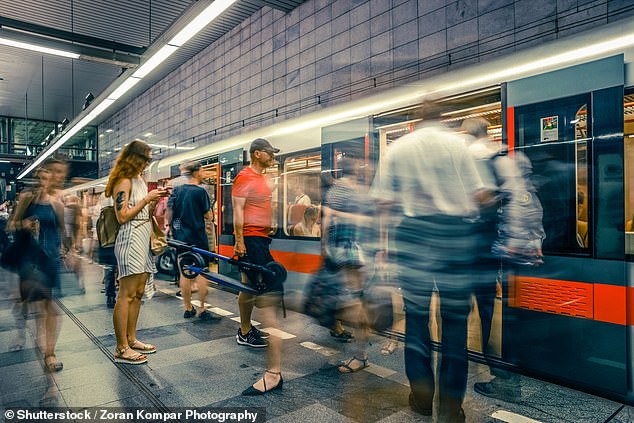
- Prague: This historic capital city landed at the very bottom of the index. Its poor performance is attributed to high levels of alcohol consumption and smoking, coupled with notably higher noise pollution compared to other surveyed cities. Extended nighttime noise and concentrated areas of late-night activity contribute to its low ranking.
- Warsaw: Joining Prague at the bottom, Warsaw also faces challenges with nighttime noise and traffic levels, impacting the ability of its inhabitants and visitors to get adequate rest.
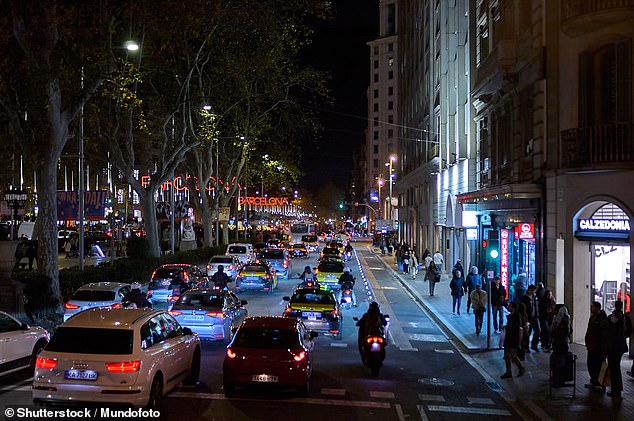
- Barcelona: Ranking as the third-worst city for sleep, Barcelona recorded the highest noise pollution score among the 25 cities. This is largely due to its immense visitor numbers, vibrant nightlife, and densely populated residential areas, creating a constant hum of activity that disrupts sleep.
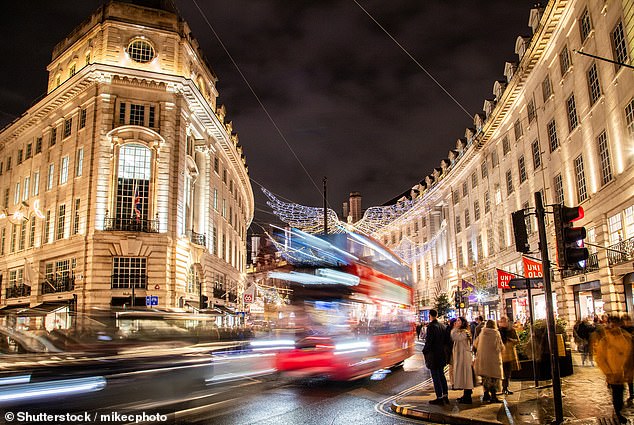
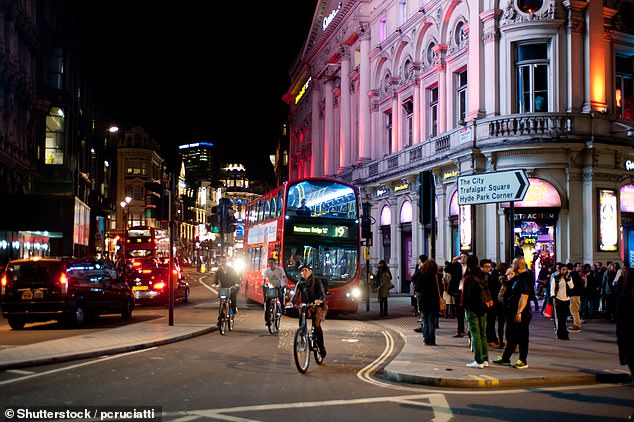
- London: The UK capital also features prominently among the cities with the poorest sleep conditions, securing the 20th position out of 25. London registered a penalty score of 36.12 out of a possible 70. Factors contributing to its low ranking include significant air pollution, the demands of late-night commuting, and pervasive noise exposure from traffic, bustling nightlife, and general urban background noise. These elements combine to make sleep disruption a common occurrence for both residents and tourists, particularly in areas with a high concentration of hotels and short-term rentals.
Interestingly, the study highlights that city size alone does not dictate sleep outcomes. Paris, for instance, despite facing similar pressures related to density, tourism, and transportation as London, performed significantly better.
The Sleep Havens of Europe
On the brighter side, the index also identified European cities that excel in providing optimal conditions for undisturbed sleep.
- Zurich: Emerging as the champion of sleep-friendly cities, Zurich boasts low light pollution and commendable air quality. Its success is rooted in its effective management of nighttime activities and significantly lower noise levels.
- Amsterdam: Following closely behind Zurich, Amsterdam’s strong performance is bolstered by its strategic urban planning. Initiatives focused on noise reduction, including the integration of green spaces and efficient traffic management systems, create a more tranquil environment.
- Stockholm: Rounding out the top three, Stockholm shares similar strengths with Amsterdam, benefiting from well-planned urban spaces and effective noise mitigation strategies.
Rodney Ryu, Managing Director of Coway Europe, the organisation behind the study, commented on the findings: “Travellers often assume poor sleep is just part of visiting a busy city, but the data shows that some destinations manage night time conditions far better than others. Noise exposure and air quality, in particular, have a direct impact on how well people sleep, whether they live in a city or are staying for a few nights.”
Ryu further emphasised, “Poor sleep is not an inevitable part of urban travel. Cities that take noise reduction, air quality and night-time planning seriously create better conditions not just for residents, but for visitors as well.”
London’s Traffic Woes Add to Sleep Concerns
Adding to its challenges, London has also been identified as the world’s worst megacity for traffic congestion. A recent report indicated that average speeds in the capital hover around a mere 10mph. Drivers in London can expect significant delays, with a typical six-mile journey averaging 35 minutes and seven seconds. This sluggish traffic flow means the average driver loses a staggering 136 hours annually stuck in rush-hour gridlock, further contributing to the stressful urban environment and potentially impacting sleep quality.