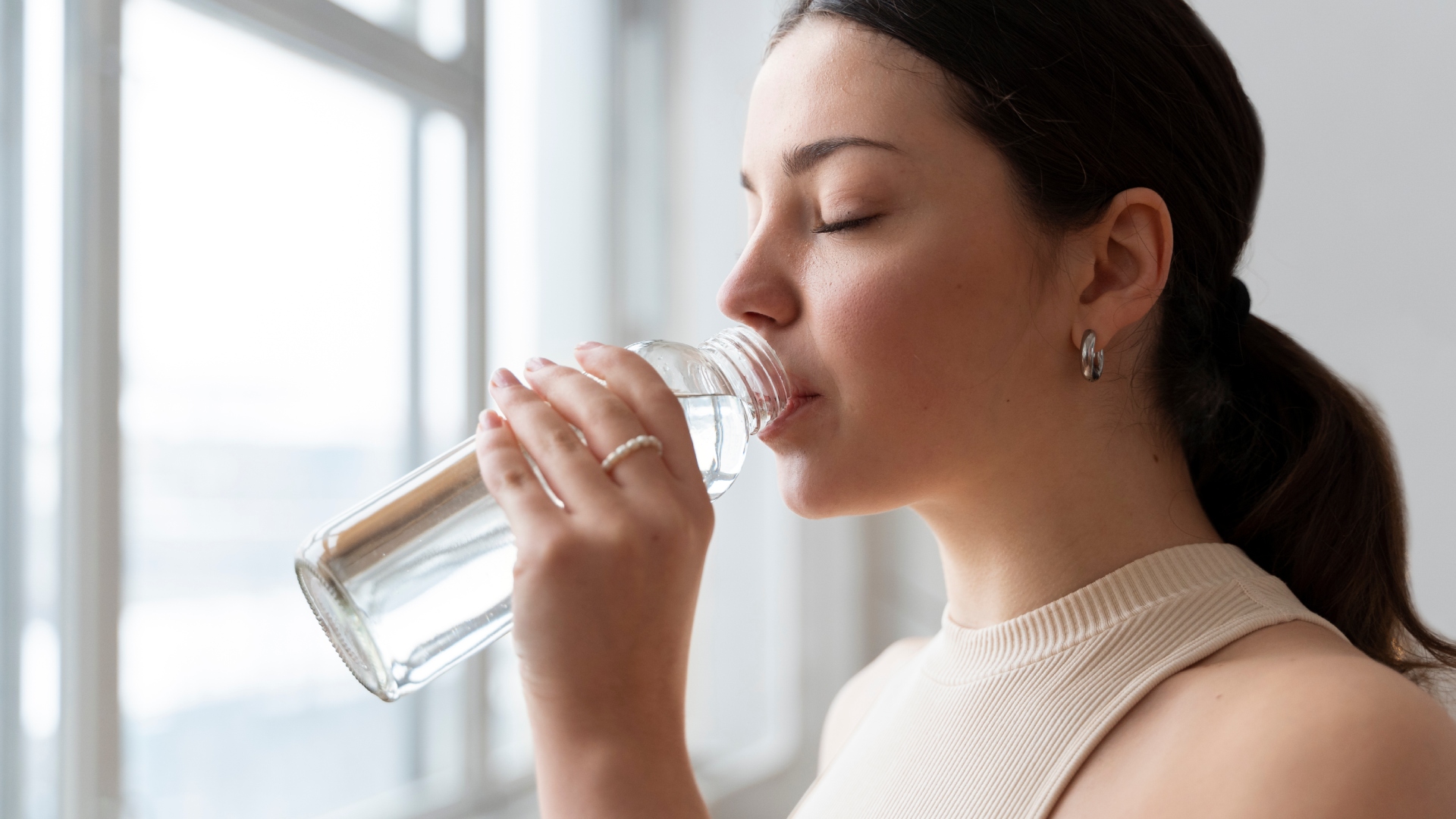
Imagine your humble kettle transforming into a dedicated wellness companion. Far from being a mere culinary detail, the act of drinking hot water, particularly within the framework of Traditional Chinese Medicine (TCM), is considered a profound method for achieving bodily equilibrium. It’s an ancient, uncomplicated, and readily available practice that encourages a gentle, nurturing approach to self-care.
An Ancient Ritual at the Core of Chinese Medicine
Within the esteemed practices of Traditional Chinese Medicine, the daily consumption of hot water stands as a cornerstone for cultivating inner harmony. Esteemed historical texts, including the foundational Huangdi Neijing, have long underscored the significance of bolstering vital energy, known as Qi, and safeguarding Yang – the intrinsic warming force that animates and energises the human body.
From this perspective, the introduction of cold water is seen to diminish this internal warmth, whereas warm or hot water is believed to nourish and fortify the body. It’s hardly surprising, then, that in China, hot water is a customary offering to guests, even when the summer heat is at its peak. The principle is that maintaining a stable internal temperature is paramount to overall physiological balance.
Understanding Energetic Principles
In the intricate system of TCM, the stomach and spleen are pivotal organs responsible for the crucial task of transforming ingested food into usable energy. Hot water is thought to enhance their functionality by averting what TCM terms “thermal aggression.” Conversely, icy water is believed to impede digestive metabolism and foster the development of “Tan,” a concept often translated as phlegm or internal stagnation.
The intention behind this philosophy is not to vilariously condemn cold water, but rather to advocate for a gentler temperature that aligns more harmoniously with the body’s natural rhythms. Your system operates optimally when it isn’t burdened with the task of compensating for thermal shock.
A Multitude of Benefits Through Eastern Lenses
Traditional practices like TCM and Ayurveda attribute a range of beneficial effects to the regular consumption of hot water, ideally at temperatures between 40 and 60 degrees Celsius.
- Enhanced Digestion: Warm water acts as a stimulant for gastric juices, aiding in the reduction of bloating and general discomfort. It facilitates the digestive process, leading to a feeling of a lighter stomach.
- Support for Detoxification: By promoting perspiration and supporting kidney function, hot water assists the body in expelling accumulated toxins. This process bolsters the body’s inherent detoxification mechanisms, which function most efficiently when adequately hydrated.
- Improved Circulation: The application of heat causes blood vessels to dilate, which can lead to improved blood flow. This dilation may also help alleviate certain types of discomfort, such as menstrual cramps. A body that feels fluid and vibrant often responds positively to this sensation of gentle warmth.
- Nervous System Soothing: The simple act of drinking hot water can be transformed into a calming ritual. This modest gesture encourages a deliberate slowing down and a focus on breath. It can contribute to enhanced concentration and promote a more restorative night’s sleep.
- Effective Hydration: Some Eastern approaches suggest that lukewarm water is absorbed more readily by the body than ice-cold water. This accelerated absorption can contribute to maintaining muscle tone and overall vitality.
Seamlessly Integrating This Practice into Your Daily Life
Embracing this wellness ritual requires no elaborate equipment or drastic overhauls to your existing lifestyle. A simple starting point is a glass of warm water upon waking, on an empty stomach. It is also generally recommended to consume warm water before meals, rather than during them, to avoid diluting essential digestive juices. In instances of mild headaches or a feeling of sinus congestion, a warm cup of water can offer prompt relief. It is important to note, however, that caffeinated beverages like coffee and tea do not serve as direct substitutes for this gentle hydration practice.
Ultimately, the practice of drinking hot water is not presented as a substitute for professional medical care or as a panacea for all ailments. Within the philosophy of Eastern traditions, this ritual is an integral part of a proactive and respectful approach to understanding and caring for the body. Often, profound well-being is not discovered through complex regimens but rather through consistent, mindful daily actions. Opting for hot water is a choice that embodies simplicity, attentiveness, and unwavering consistency.