Angola’s Bold Leap onto the Global Tourism Stage: A Vision for Growth and Discovery
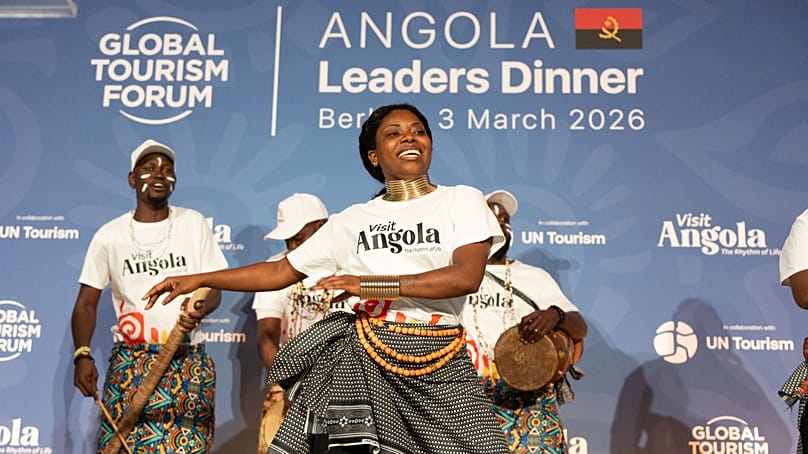
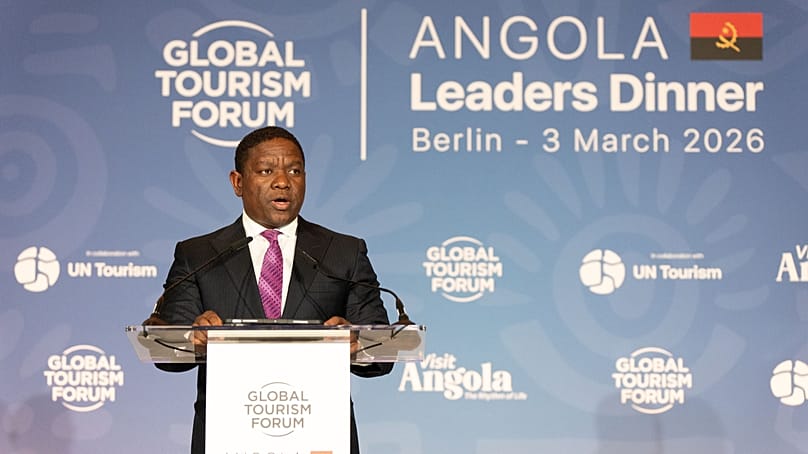
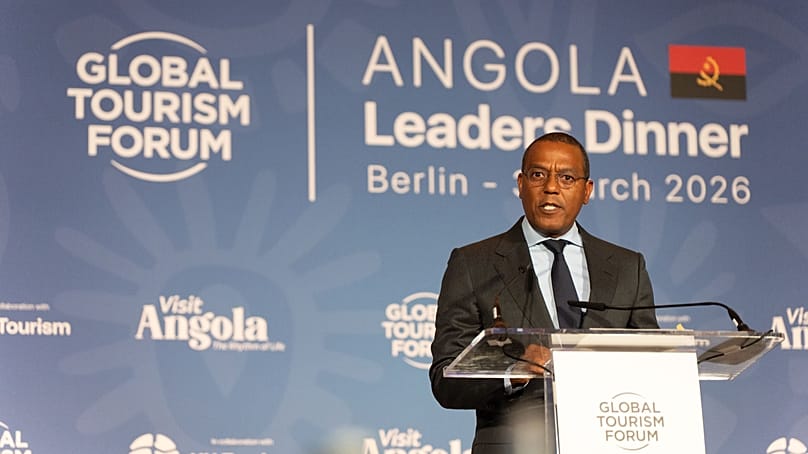
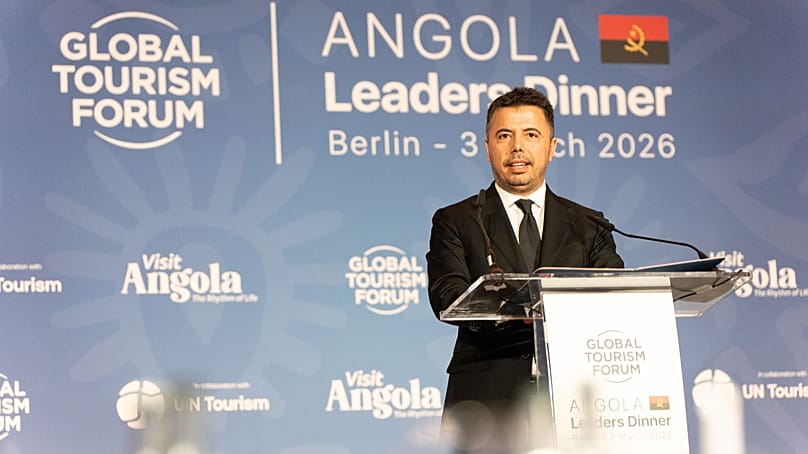
The international spotlight shone brightly on Angola recently, as the nation, poised to become the official host country for ITB Berlin 2026, unveiled its ambitious tourism agenda at a prestigious Leaders Dinner. Hosted by the Ministry of Tourism of Angola and the World Tourism Forum Institute (WTFI) in Berlin, the event saw a dazzling red carpet welcome for global tourism experts and investors, with delegates arriving from Germany, Turkey, Saudi Arabia, and beyond. This special evening, coinciding with the opening day of the world’s largest tourism trade fair, ITB Berlin, marked a significant moment for the Southern African nation as it seeks to carve out its niche in the global travel landscape.
Márcio de Jesus Lopes Daniel, the Minister of Tourism of the Republic of Angola, articulated the significance of this platform. “ITB is considered the mecca of tourism,” he stated in an interview. “If you are at ITB, you are at the centre of a platform that decides the tourism in the world.” This sentiment underscores Angola’s strategic intent to leverage this global stage to its fullest.
Diversifying the Economy: Tourism as a Key Pillar
Angola is embarking on a determined path to diversify its economy, with tourism identified as a “key pillar” in this crucial endeavour. Currently, the nation’s economic backbone relies heavily on oil and gas, which contribute approximately 20% to its Gross Domestic Product (GDP). However, the country is actively seeking to cultivate other sectors to accelerate economic growth, as highlighted by José de Lima Massano, Minister of State for Economic Coordination of Angola. Tourism stands out as a prime candidate for this expansion.
The decision to host the ITB and the Global Tourism Forum Leaders Dinner was not merely about showcasing Angola’s natural beauty and untapped potential; it was also a strategic move to mobilise capital. Minister Lima Massano explained, “We think that tourism is so special at this time that Angola is trying to take the country to the next level of social and economic development.”
The fruits of this focused effort are already being recognised. Bulut Bağcı, president of the World Tourism Forum Institute, commented on the progress, noting, “In seven years time period, they did a lot.” He further emphasised the importance of the Leaders Dinner, describing it as “the basis and the platform to creating,” with tourism now firmly ranked among Angola’s top priority sectors.
Angola: A Tapestry of Natural Wonders and Cultural Riches
Angola presents a compelling proposition for the discerning traveller, offering a diverse array of experiences that cater to the adventurous spirit. The nation boasts an impressive 1,650 kilometres of coastline, featuring pristine, untouched beaches that beckon exploration. Beyond its shores, national parks offer the thrill of safaris, allowing visitors to witness the rich wildlife of the region.
Adding to its allure, Angola is home to the Namib Desert, the world’s oldest desert, and the spectacular Kalandula Falls, one of Africa’s largest and most breathtaking waterfalls. Minister Lima Massano eloquently described the country’s inherent beauty: “It doesn’t matter where you go, north, south, east, west, it is a country blessed with a lot of national and natural beauties.”
However, Angola’s charm extends far beyond its magnificent landscapes. The true heart of the nation lies in its people and their vibrant, unique culture. Visitors are encouraged to move beyond passive observation and immerse themselves in a society renowned for its warmth and hospitality.
“In Angola, we enjoy life,” Minister Lima Massano shared, his face lighting up as he spoke of his homeland’s cultural essence. “Being there, you have to be open to it, to the music, the gastronomy, to the culture of the country. Be prepared to be involved, be prepared to part. Because we are welcoming country. It is like we are a big family.” Minister Daniel echoed this sentiment, describing Angola’s gastronomy and hospitality as “very vibrant” and offering a “truly unique experience.” He added, “It is very untouched and unexplored. You can feel the rhythm of life by itself.”
Embracing Sustainability and Responsible Tourism
Angola is particularly well-suited for travellers seeking authentic and immersive experiences. The opportunity to engage in “immersion with the local tribes,” as suggested by Minister Daniel, promises to deliver an unparalleled level of cultural understanding and connection, making the journey truly unique.
Looking ahead, Angola plans to broaden its appeal by developing a range of accommodations, from all-inclusive resorts and hotels to eco-lodges. This strategic development aims to attract a wider audience, including families, who can discover the country’s diverse offerings.
Crucially, Angola’s vision for tourism growth is inextricably linked with a commitment to sustainability and responsible practices. The nation aims to preserve its pristine natural beauty by prioritising luxury and high-end tourism, consciously avoiding mass tourism to protect its environment. “We have a strategy not to do mass tourism because we want to preserve the nature,” Minister Daniel affirmed.
Leveraging AI for Enhanced Tourism Experiences
The integration of advanced technologies, particularly Artificial Intelligence (AI), is seen as a pivotal element in Angola’s strategy to attract its target visitors. Minister Lima Massano explained that AI can provide a deeper understanding of tourist needs, enabling the country to respond more effectively and tailor experiences.
This technological advancement can assist Angola in tracing and analysing tourist data, which is considered a vital component for future planning and development. As Mr. Bağcı noted, “This is the most important thing.” He reiterated the fundamental importance of tourism as a driver of economic infrastructure, stating, “If you want to build up your country, first of all you have to focus on tourism.”