Bloomberg Dominates Philanthropic Landscape for Third Consecutive Year
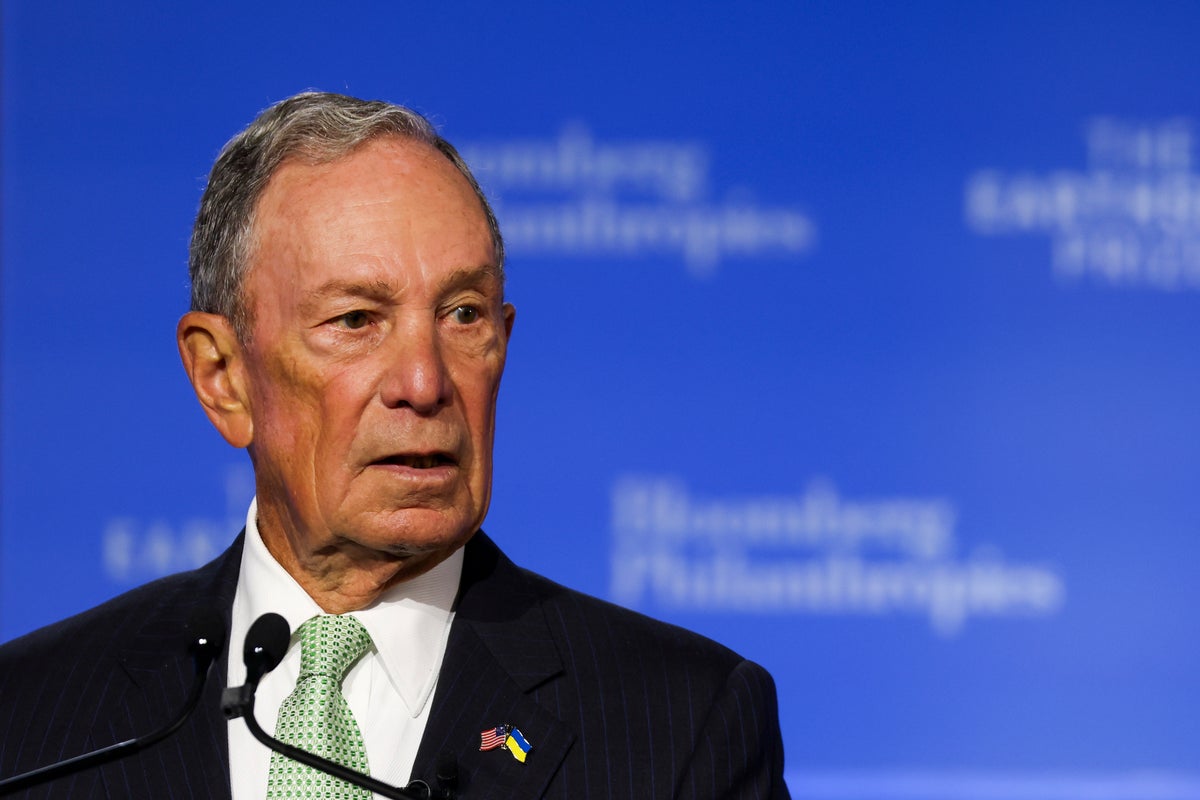
Michael Bloomberg has once again claimed the top spot as the biggest donor in Australia, maintaining his lead on the Chronicle of Philanthropy’s prestigious list of the 50 largest charitable givers for the third year running. The media mogul and former New York mayor’s philanthropic efforts in 2025 saw him contribute a staggering $4.3 billion towards a broad spectrum of causes, including the arts, education, environmental initiatives, public health programs, and efforts to enhance city governance.
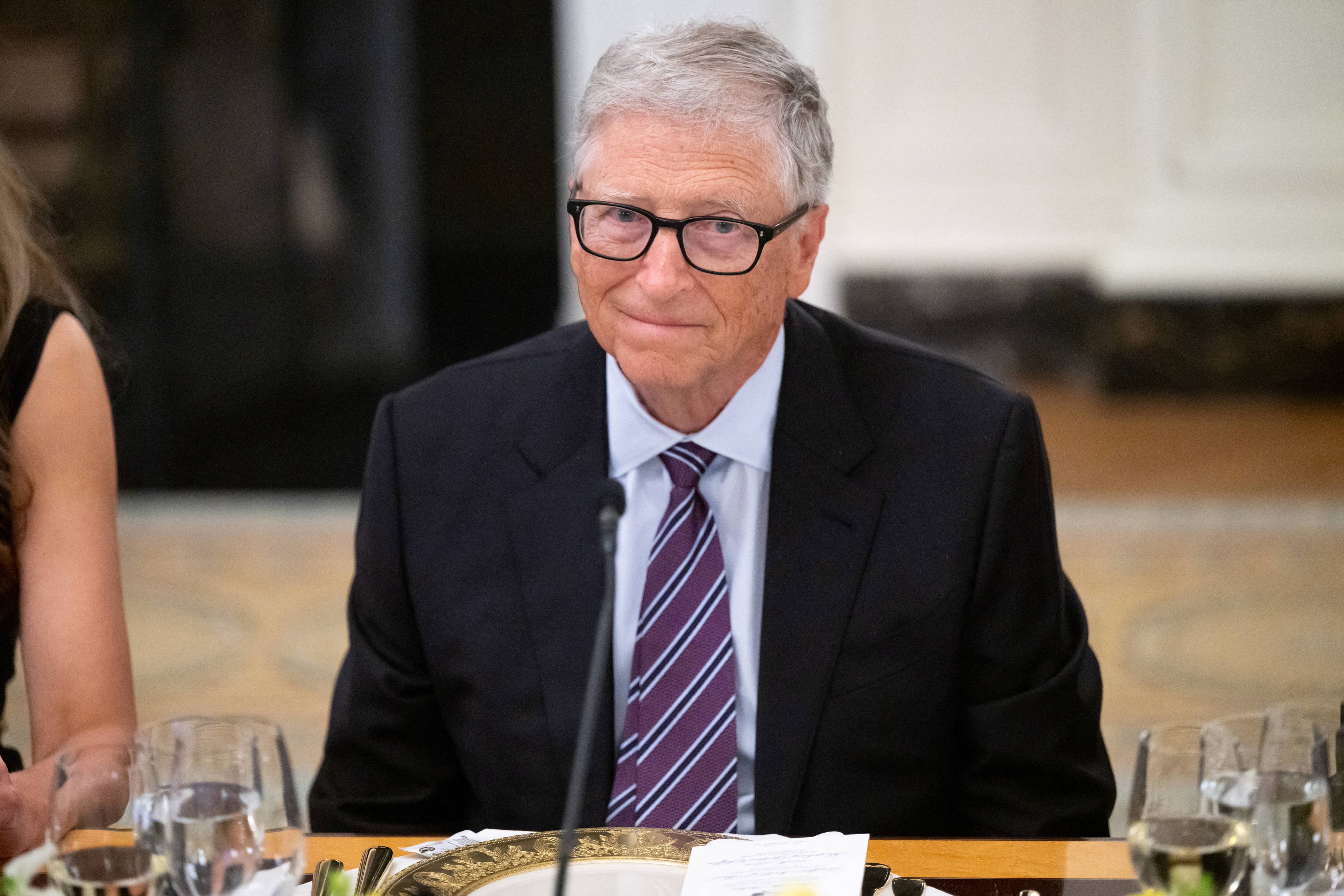
Following closely behind Bloomberg are three other significant philanthropists who each pledged $1 billion or more to charitable causes last year. Bill Gates secured the second position, donating $3.7 billion to the Bill & Melinda Gates Foundation. The third spot was claimed by the late Paul Allen, a former colleague of Gates from Microsoft, who left a substantial bequest of $3.1 billion to establish a foundation dedicated to advancing science and technology. Warren Buffett also made a significant impact, contributing $1.3 billion across four family foundations supporting a diverse range of charitable endeavours.
Collectively, the individuals featured on the Philanthropy 50 list demonstrated an immense commitment to giving, with a combined total of $22.4 billion donated to charity in 2025. The median donation size for this elite group stood at an impressive $105 million.
Sources of Wealth Fueling Generosity
An analysis of the donors’ origins reveals a strong connection between financial industries and large-scale philanthropy. The financial sector emerged as the primary source of wealth for the largest number of individuals on the list, with 20 philanthropists from this sector collectively contributing $4.1 billion. The technology sector followed closely, with 12 donors from this field giving a remarkable $10 billion. Real estate also played a significant role, with four donors from this industry contributing $466.7 million.
Geographically, New York and California continue to be the states with the highest concentration of major donors, and consequently, their respective non-profit organisations received the largest share of these substantial gifts.
Personal Connections Drive Philanthropic Passion
For many of these prominent givers, philanthropy is not merely a financial transaction but a deeply personal and meaningful endeavour. Jon and Mindy Gray, who ranked 34th with a donation of $63.6 million, primarily focus their giving on research into inherited cancers linked to BRCA mutations, a cause close to their hearts following the loss of Mindy’s sister to BRCA-related ovarian cancer at the age of 44. They also dedicate significant resources to empowering young people in New York City, notably through their Gray Scholars program, which provides annual scholarships to ten New York City students attending historically Black colleges or universities. The Grays actively engage with their scholars, participating in an annual gathering that fosters connection and mutual encouragement.
Mindy Gray emphasises the personal nature of impactful giving, stating, “We’re very hands-on people — we enjoy it. Other people often come to us and say, ‘I want to do something, but what should I do?’ And it really is what you feel in your heart. You should not be doing this work in areas that don’t move you.”
However, the extent of giving demonstrated by the Grays and other Philanthropy 50 donors remains an outlier among the nation’s wealthiest individuals. A mere 19 of the wealthiest Americans listed on the Forbes 400 list made donations substantial enough to be recognised in this year’s rankings.
Notably absent from the rankings is high-profile philanthropist MacKenzie Scott, despite her having donated an estimated $26 billion to charities since 2020. It is understood that Scott likely made significant contributions to her donor-advised funds, which would have qualified her for a spot on the list. However, she and her representatives have chosen not to disclose the specific amounts being channelled to these grant-making entities.
Building Lasting Relationships Fuels Generosity
While some donors capture headlines for their extraordinary contributions, many on the Chronicle’s list operate with a more understated approach. A closer look at some lesser-known philanthropists who made the Philanthropy 50 list reveals a consistent theme of long-term commitment and personal connection:
Robert and Karen Hale (No. 25): The founder of Granite Telecommunications and his wife contributed nearly $111 million last year to a multitude of non-profits they have steadfastly supported over many years. Their giving included a substantial $100 million gift to Boston Children’s Hospital, with the remainder distributed to organisations focused on education, human services, social justice, and youth development across the greater Boston area.
James and Patricia Anderson (No. 39): An automotive consultant and his wife directed $50 million to Wayne State University, his alma mater, and an additional $8 million to charities dedicated to serving the elderly and individuals with special needs.
Melanie and Richard Lundquist (No. 42): These Los Angeles-based real estate investors have a long-standing history of supporting Southern California non-profits, with a primary focus on healthcare and the city’s public education system. Their philanthropic activities include a $50 million donation to Torrance Memorial Medical Center, alongside a $3 million contribution to organisations assisting cancer patients and young people.
Despite the immense sums involved, the motivations behind these billionaires’ and millionaires’ generosity mirror those of everyday donors. They are drawn to organisations that actively seek their input, demonstrate a clear understanding of their passions, exhibit a willingness to collaborate, and possess demonstrably effective programs. Crucially, a foundation of trust, built over years, if not decades, with the individuals and charities they support, appears to be a paramount factor.
The Chronicle’s research indicates that over 35 of the 51 donors on the list had established long-term relationships, often spanning five to ten years or more, with the charities that received their most significant contributions in 2025.
Jeff Schreifels, a fundraising consultant at Veritus Group, highlights the significance of these connections, stating, “It’s about building relationships. It’s being that bridge between the donor and their desire to change the world and matching that up with everything that the nonprofit does. That’s what everyone is trying to do.”
A Diverse Spectrum of Charitable Causes
While foundations, donor-advised funds established by the donors themselves, and colleges and universities were the primary beneficiaries of last year’s philanthropic endeavours, a wide array of causes also received significant backing:
Science and Technology: This sector attracted over $3 billion in donations, including Allen’s substantial bequest and a $60 million contribution aimed at bolstering the quantitative science program at the University of Pennsylvania’s Wharton School.
Healthcare and Medical Research: A total of $1.5 billion was directed towards this vital area. This included a $500 million donation from Nike co-founder Phil Knight and his wife, Penny, to support cancer research and treatment. Numerous eight- and nine-figure gifts were allocated to paediatric healthcare, and two significant donations were made to advance dementia research and care.
Athletics: A remarkable $871 million was donated to athletic programs. This figure encompasses two separate $300 million donations designated for university athletics and a $100 million gift aimed at providing financial aid to Olympic athletes.