Matildas Set for Asian Cup Semi-Final Showdown as China Edge Chinese Taipei in Extra Time Thriller
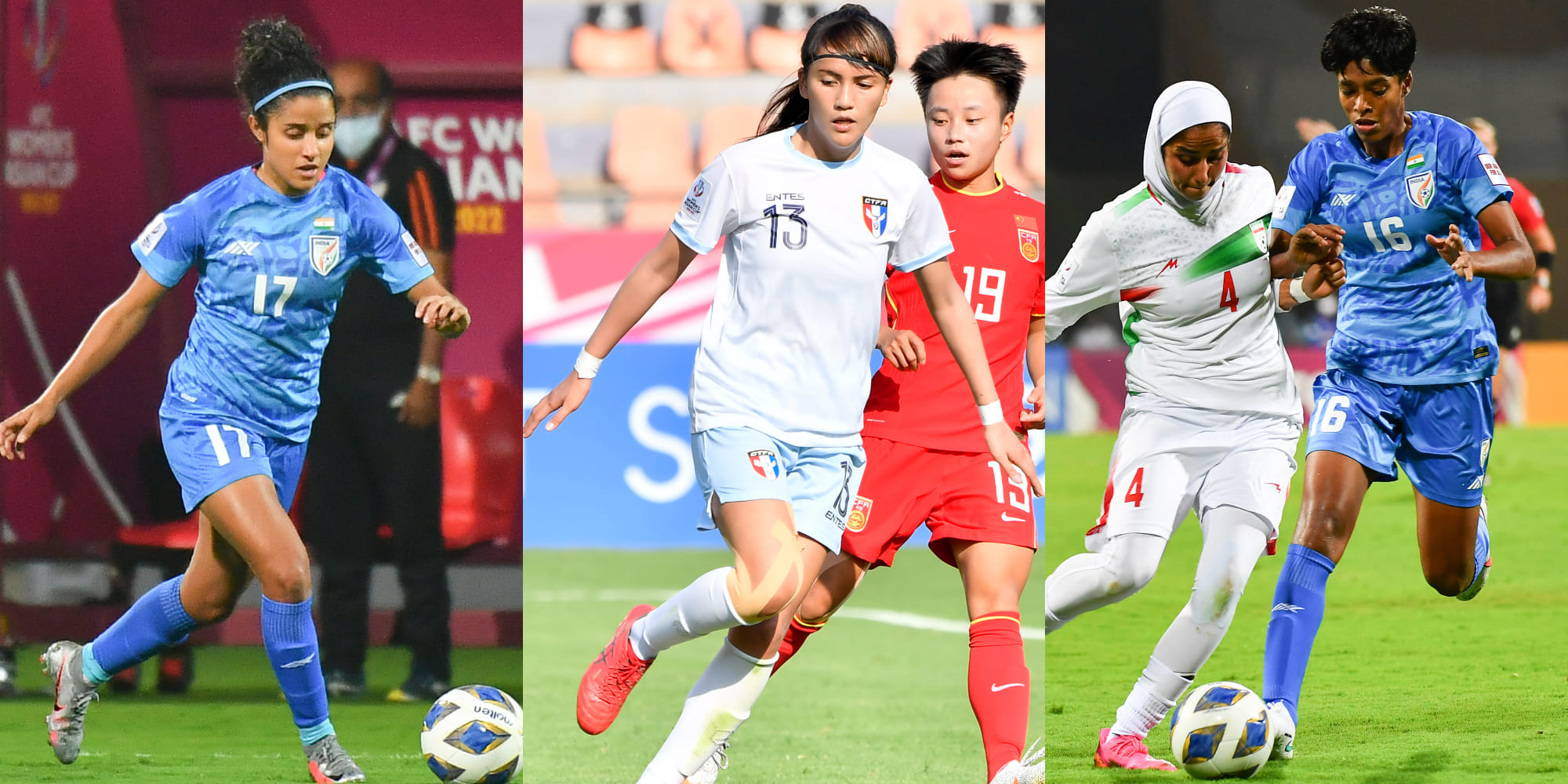
The Matildas are gearing up for a highly anticipated semi-final clash against China PR in the Women’s Asian Cup, following the Steel Roses’ hard-fought extra-time victory over a resolute Chinese Taipei outfit. The quarter-final encounter, held at Perth Rectangular Stadium, proved to be a gruelling affair, with China ultimately prevailing 2-0 to book their ticket to next year’s Women’s World Cup in Brazil.
For large periods of the match, China struggled to break down a disciplined and spirited Chinese Taipei defence. Despite sustained pressure and numerous attacking forays, the Steel Roses found themselves frustrated by an inspired performance from their opponents. It wasn’t until the 94th minute that the deadlock was finally broken, courtesy of a well-taken strike from centre forward Shao Ziqin. A late own-goal then sealed the victory for China, ensuring their progression to the final four.
A significant number of Taiwanese supporters had travelled to Perth to cheer on their national team, witnessing an admirable performance against one of Asia’s traditional powerhouses. At the heart of Chinese Taipei’s staunch defence was second-choice goalkeeper Cheng Ssu-yu. She stepped into the starting line-up following an injury to their first-choice keeper, Wang Yu-ting, who sustained a concussion in their final group stage match. Cheng was a commanding presence throughout the afternoon, making an impressive seven saves and even denying a penalty kick in extra time. Her heroics ensured her side pushed the defending champions to the absolute limit.
Despite their quarter-final exit, Chinese Taipei’s journey in Australia is not yet over. They will compete for a World Cup spot against North Korea, another quarter-final loser, on the Gold Coast later this week.
Navigating Team Names: A Point of Contention for Taiwanese Fans
The tournament has been an eventful one for Chinese Taipei, currently ranked 40th in the world. They secured second place in Group C, but the team has also been at the centre of discussions regarding their official name. In their final group game against India, a former coach of the men’s national team was removed from the stands for chanting phrases that referred to the team as “Taiwan.”
Under the rules of the Asian Football Confederation (AFC), the nation competes internationally as “Chinese Taipei.” This has led to a degree of controversy and has been a point of discussion among fans. Many of those present at the quarter-final match in Perth wore blue jerseys emblazoned with the AFC-mandated moniker.
Sharon Huan, a local Taiwanese resident, described the name situation as “very controversial.” She explained that this contentious issue had motivated a considerable number of the Taiwanese community in Australia to attend the match. “I’m not a fan of football but it’s my own country… [so] cheering them on and supporting them in a foreign country is very special, very meaningful for us,” Ms Huan shared.
Another fan, Vicky Li, expressed the discomfort associated with the official name. “We are coming today for our team, Chinese Taipei, so we want to help them fight and win the game,” she stated. “I actually feel very bad about [calling it Chinese Taipei] because we are from Taiwan, so we want to just say ‘Team Taiwan.’” Ms Li indicated that Taiwanese supporters understood the restrictions on using the name “Taiwan” during official matches.
In contrast, the Chinese supporters present appeared less visibly conflicted. Eco Gao, a Chinese fan, expressed his excitement about the Asian Cup being held in Perth and his hope for an engaging contest. “We’re considered as one [country] anyway so there’s not really any tension I believe in my opinion,” he remarked. “I just support both teams.”
China’s Resilience and a Costly Victory
China’s Australian coach, Ante Milicic, had opted for a strategic rotation of his squad for the quarter-final, making seven changes from the team that defeated North Korea. While this decision may have raised eyebrows at various points during the game, with the Chinese defence holding firm and China’s finishing proving wayward, it ultimately paid off.
The imposing centre forward Shao Ziqin was a constant threat throughout the match, winning aerial duels and imposing herself on the Chinese Taipei backline. However, she was also guilty of missing several opportunities. She was denied by the brilliance of goalkeeper Cheng on multiple occasions and also failed to convert a series of well-placed crosses from winger Zhang Xin.
Shao’s effective partnership with the skillful midfielder Wang Shuang was a highlight for football purists, with the duo executing a classic “big-woman, little-woman” combination in the attacking third. It was this combination that eventually unlocked the Chinese Taipei defence in extra time, with Wang’s intelligent lay-off setting up Shao to powerfully strike the ball home.
Wang Shuang has been one of the standout performers of the tournament, and her influence was evident once again in Perth. She displayed exceptional creativity in midfield, orchestrating attacks and even having a headed goal disallowed for offside in the first half. However, in a significant blow for China, Wang will be suspended for the upcoming semi-final against the Matildas. She received her second yellow card of the tournament for a heavy challenge on Chinese Taipei goalkeeper Cheng.
The Matildas will therefore face a China side that is composed and dangerous, but potentially fatigued and without a key playmaker.
South Korea Dominates Uzbekistan to Secure Semi-Final Berth
In the other quarter-final match, South Korea comfortably secured their place in the semi-finals with a resounding 6-0 victory over Uzbekistan at Stadium Australia. The Taegeuk Ladies established an early two-goal lead through Son Hwa-Yeon and Ko Yoo-Jin within the opening 20 minutes. In the second half, Park Soo-Jeong, Ji So-Yun, Lee Eun-Young, and Jang Sel-Gi added further goals to complete the comprehensive rout.
South Korea will now await the winner of the match between Japan and the Philippines in the second semi-final, scheduled to be played on Wednesday, also at Stadium Australia.