For four years, a woman kept her crippling shopping and gambling addiction a secret from her family, believing she had nothing left to lose. This hidden struggle, which began around 2020, culminated in a devastating admission during a holiday in 2024 that she was £40,000 in debt and had “nothing to her name.”
Rachel, now 41, confessed that she had maxed out multiple credit cards, with her income barely covering the minimum repayments. “I was just completely broken as a person,” she shared, reflecting on the moment she realised the true extent of her financial ruin. However, this breaking point became the catalyst for an extraordinary turnaround. Through sheer determination, Rachel taught herself the art of reselling clothes online, a skill that allowed her to clear her substantial debt in just over a year and fundamentally transform her life.
“Sometimes I sit here and I think ‘I don’t know if I’m still dreaming’, like maybe I’ll wake up, because I can’t believe this is what I’ve managed to do,” Rachel expressed, her voice filled with a newfound sense of accomplishment. “I don’t think I’ve ever been proud of myself in my lifetime but I’m extremely proud of what I’ve achieved.”
The Long Road to Revelation
Despite previous attempts to confide in others, Rachel’s addiction remained a closely guarded secret until that fateful holiday in August 2024 with friends and family. She recalled a conversation with a friend who was excitedly discussing plans to buy her own home and was “doing really well.” The stark contrast between her friend’s success and her own dire circumstances hit Rachel hard.
“I was just like ‘I am not happy. I am in a serious bad place right now’,” she admitted, her voice trembling. “I kind of just broke down. It’s like I completely released everything… I just couldn’t stop.” The weight of her secret and the financial abyss she found herself in overwhelmed her. “I’ve got no money to literally do anything with and I was just completely broken as a person.”
The confession that followed was raw and painful. “I admitted some of the most awful things… I didn’t want to spend this because I wanted to spend that.” The presence of her children during this emotional outpouring proved to be a pivotal moment. “My children were there and they listened to it and they were like ‘you can do this mam’,” she recalled. “I think that’s what gave me more fire in the belly to know that these children are literally backing me now.”
A Hidden Battle Within
Rachel’s journey was further complicated by her experiences during her nearly 24 years in the Army. While she described her military career as “the most amazing part” of her life, it also took a significant toll on her mental health. “I think it took its toll on me… just all the things that maybe I’ve endured my whole life, you know, within the Army,” she explained. “You kind of like pretend that there’s nothing wrong with you when you just crack on. But inside, there is so much going on.”
Her mental health was a “sliding scale” throughout her life, and she had received support through the Army, including therapy and medication. The Ministry of Defence acknowledged the seriousness of problem gambling, recognising its “significant impact” on the health and wellbeing of service personnel, and outlined a “comprehensive gambling clinical pathway” involving assessment, support, and referral to specialist NHS services.
Despite this support, Rachel found herself increasingly turning to online gambling and shopping during the COVID-19 pandemic, admitting she “wasn’t happy at all.” The accessibility of online betting apps on her mobile phone made it easy to hide her addiction. “We’re always on our phones,” she said, explaining that she would often claim to be texting when she was actually “putting money into the bingo sites.” This secrecy was a clear indicator to her that her behaviour was wrong. “I made sure I hid it from everybody… that’s how I knew it was wrong because I was hiding it.”
The addiction was a vicious cycle. Rachel was not only gambling but also compulsively buying clothes, maxing out three credit cards in the process. She would purchase items and hide them in her wardrobe, seeking the temporary thrill or “hit” they provided. “I was just buying clothing and putting it in the cupboard because it gives me that hit as well,” she stated. She was also reselling clothes on platforms like Vinted and eBay to fund her gambling. “It was like literally funding that addiction, the gambling, and then I’d buy again and then sell. It’s just like this complete vicious circle.”
Reclaiming Control Through Reselling
In an attempt to convince herself that her behaviour was not problematic, Rachel rationalised her gambling and shopping as “totally normal.” “And I knew it wasn’t, but I was telling myself it was. But I hid everything,” she confessed. “You don’t realise you’ve become so addicted until you’re in it and you always try to convince yourself that you’re not. But it’s a lie. Because, you know, it’s an addiction, isn’t it… you never win against the addiction.”
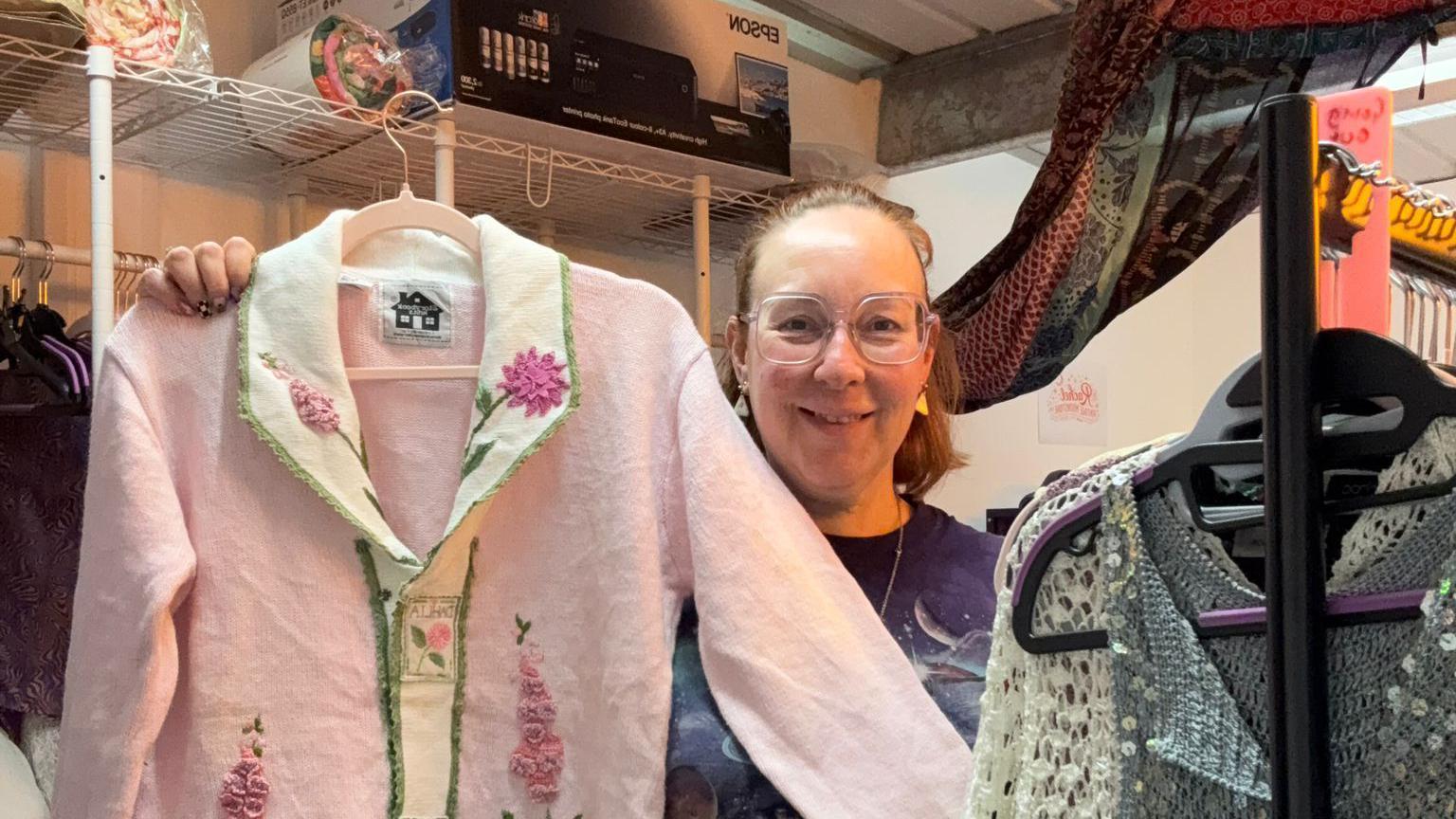
To break free from this destructive pattern, Rachel decided to leverage her existing skill of reselling. She began researching other resellers on TikTok who were successfully buying clothing bundles and selling them for a profit. Her first attempt yielded an impressive return: £500 from a £30 bundle. “OK, I can do this – I think,” she thought. “And before I knew it, I was making like £2,000 a month just on Vinted.”
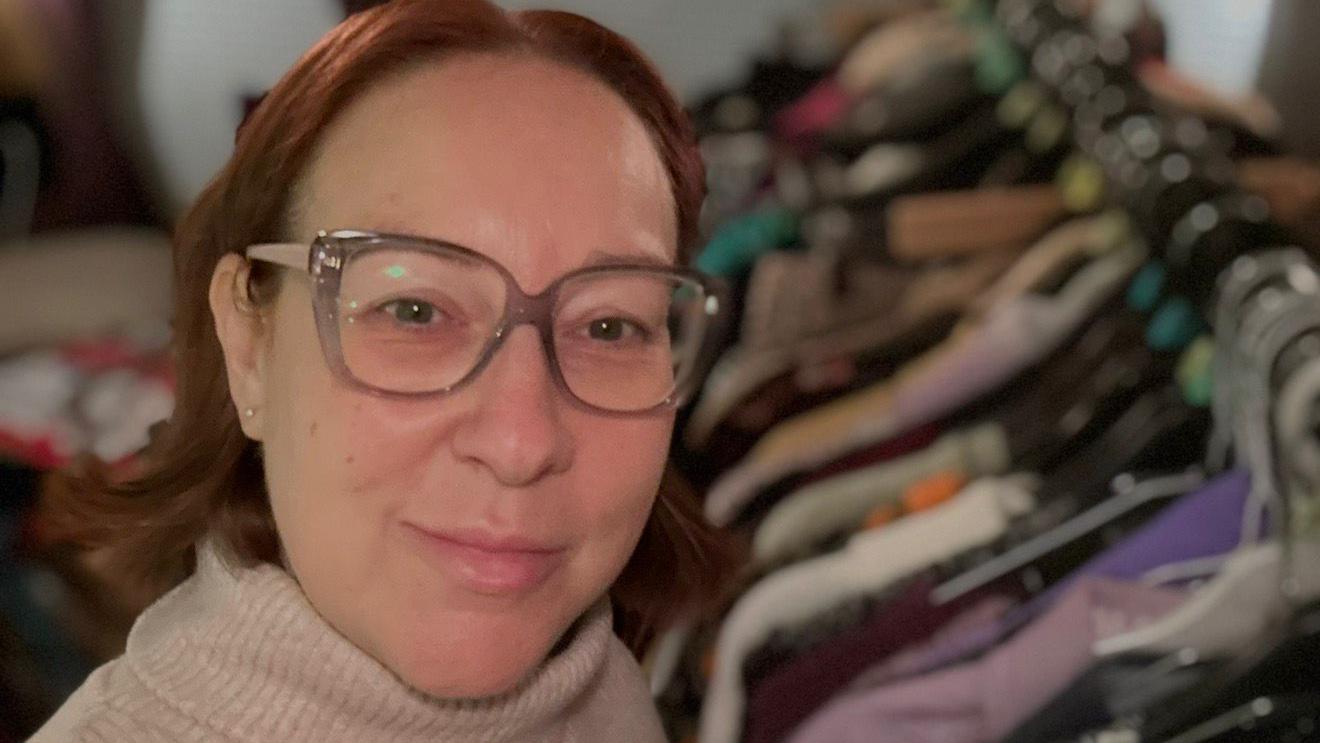
Recognising the power of community and shared knowledge, Rachel launched her own TikTok account in October 2025. She used it to document her journey and maintain her commitment to staying “on the straight and narrow.” She initially worried about the potential reaction of her children, Archie, 14, and Megan, 21, but was met with overwhelming support. They were “so proud” of her, and her account quickly amassed 20,000 followers.
“Their friends were proud of the story and what I’ve created. And they were like, ‘your mum’s amazing. Your mum’s proper mint like, look at her on TikTok’,” Rachel shared, beaming. “I’m so glad that a positive came out of this situation… especially for my children as well.”
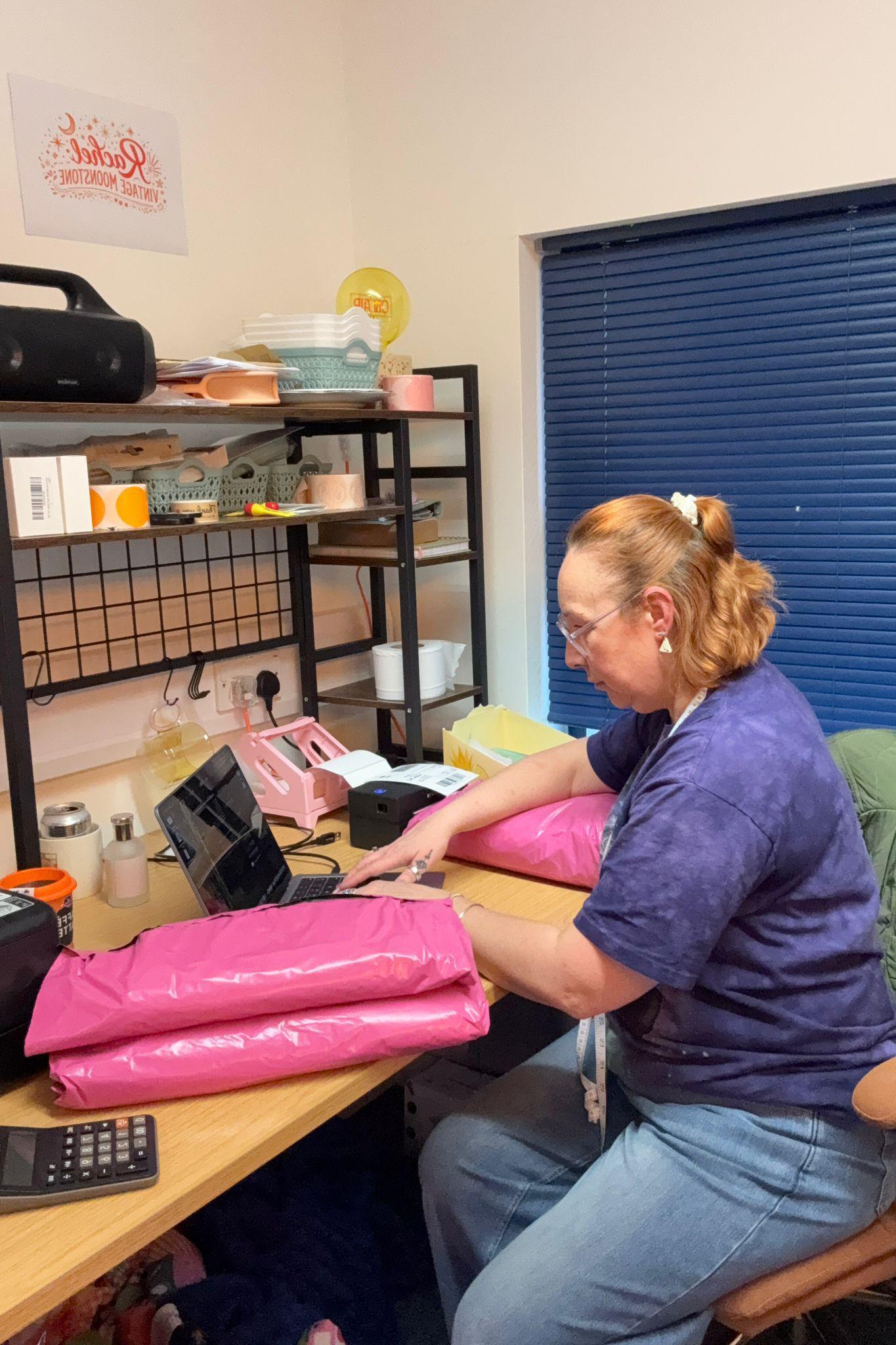
Her success on TikTok led her to discover live auction sites, which ultimately inspired her to build her own company. Today, her reselling business generates an impressive £10,000 to £15,000 per month. While she doesn’t consider herself “recovered” in the traditional sense, she remains grounded by her past. “I wouldn’t say I’m ever recovered because I’m not. But I always think to myself, ‘remember your story, remember what you’ve done’.”
A New Kind of High
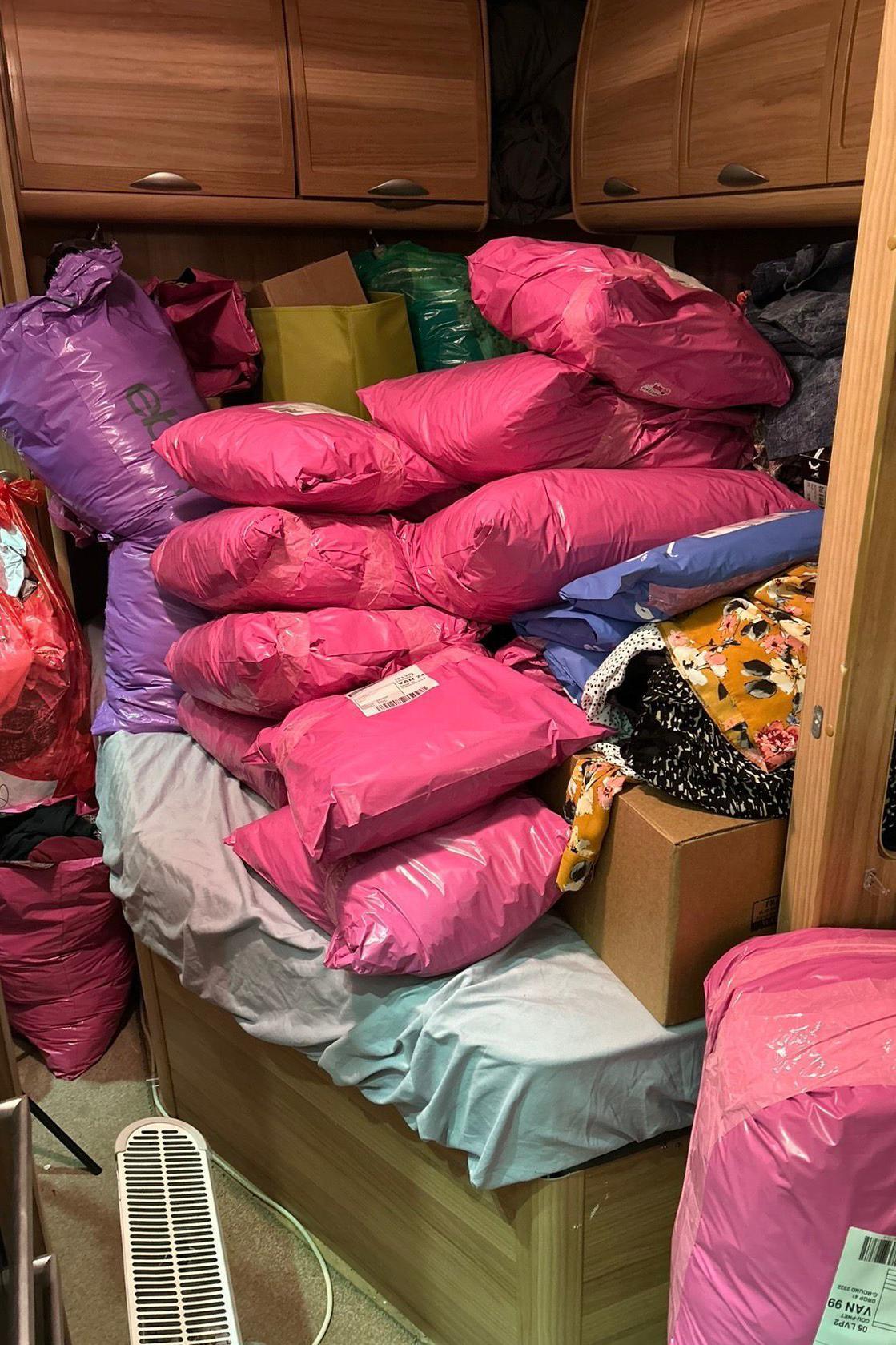
Rachel has implemented strict measures to prevent herself from relapsing, restricting her access to gambling sites. While she admits to occasionally feeling a “pang” of temptation to visit a slot machine, the memory of her achievements quickly overrides it. “That feeling of remembering what I’ve achieved always outweighs the gambling and it’s like that special power that I feel like I’ve created within my mind to outweigh that negativeness,” she explained. “I’m getting my hit really, you know, through reselling. And that is much more powerful than losing money.”
Beyond managing her own recovery, Rachel is dedicated to helping others. In addition to managing her mental health with medication, she offers free reseller workshops, sharing her expertise to assist others in overcoming their own addictions. She recounted the story of one woman who, after implementing Rachel’s advice, is now on the verge of buying her own house and moving out of shared accommodation.
“I don’t want to gate-keep what I’ve realised and worked out. I want to pass that on to people because I believe that we should be kind enough to do that,” she stated with conviction. “People shouldn’t feel ashamed and there’s always a way out. People do have a happy ending now and again and, you know, I’m lucky I got mine, really.”
If you or someone you know is struggling with similar issues, support resources are available through Action Line.