The cost of taking to the skies is on the up, with Australian travellers facing higher airfares as airlines grapple with soaring fuel expenses. This surge in ticket prices is impacting both domestic hops and international journeys, forcing many to dig deeper into their pockets to fund their next getaway or business trip.
The primary driver behind these increased costs is a significant spike in global oil prices. Jet fuel, a major operational expense for any airline, has seen its price climb dramatically, in some instances doubling. This substantial rise in fuel expenditure is creating a ripple effect across the aviation industry, putting considerable pressure on airline finances. To offset these mounting costs, airlines are inevitably passing a portion of this burden onto their passengers in the form of higher base fares and additional surcharges.
Airlines Adjusting Fares Globally
A number of major airlines have already begun implementing fare hikes. For instance, Cathay Pacific has introduced a fuel surcharge increase of approximately 34%, which translates to an additional $200 for passengers booking long-haul flights. In Europe, Scandinavian carrier SAS has added around $50 to the cost of short-haul journeys and up to $290 for those travelling on transatlantic routes. The Franco-Dutch airline group Air France-KLM has also seen its long-haul economy fares rise by roughly €50. Meanwhile, Air India has implemented surcharges of up to $50 on its international services.
The trend isn’t confined to these specific carriers. Thai Airways is planning a general ticket price increase of between 10% and 15%, while Australia’s own Qantas is adjusting fares on a selection of its routes. Even budget airlines are feeling the pinch; FlySafair, a low-cost carrier, has introduced smaller surcharges, ranging from $4 to $18, as a measure to manage its escalating operational expenses.
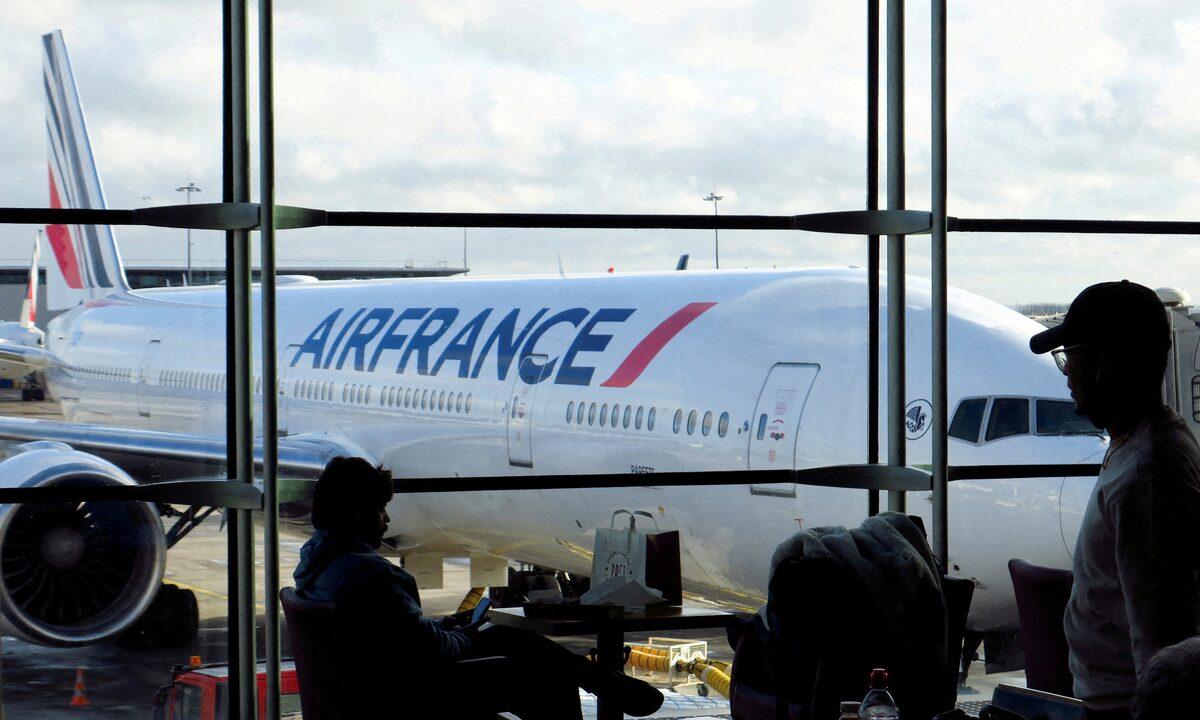
Airlines are increasing ticket prices as fuel costs rise, with travellers now paying more for both short-haul and long-haul flights.
Beyond Price Hikes: Flight Reductions and Route Adjustments
The impact of rising fuel costs isn’t solely limited to fare increases. Some airlines are also resorting to cutting flights to reduce overall expenses and optimise their operations. Air New Zealand, for example, has announced the cancellation of over 1,100 flights, a move aimed at managing costs in the face of economic headwinds. Similarly, SAS has also made adjustments to its flight schedules, indicating a broader industry trend of recalibrating capacity.
Furthermore, the elevated cost of fuel is influencing flight routes themselves. Airlines are increasingly opting to adjust their flight paths to avoid certain regions or airspace where fuel costs might be higher or where longer flight times are incurred due to rerouting. These adjustments, while aimed at saving fuel, can sometimes lead to increased travel times and, paradoxically, greater overall fuel consumption on certain legs of a journey, adding another layer of complexity to pricing strategies.
The Outlook for Airfares
Industry analysts suggest that airfares could see further increases if the current high fuel cost environment persists. The speed at which airlines are reacting to these fluctuations is notable, with fares on key routes already experiencing sharp rises within a relatively short timeframe. This demonstrates the direct and immediate correlation between the price of jet fuel and the cost of air travel for consumers. Travellers are advised to monitor fare changes closely and consider booking in advance where possible to potentially mitigate the impact of these ongoing cost adjustments.