Iran Conflict Threatens Global Semiconductor Supply Chain, Echoing COVID-Era Shortages
The ongoing conflict in the Middle East, particularly the disruptions around the Strait of Hormuz, is raising serious concerns about a potential resurgence of semiconductor shortages, a situation that could severely impact the automotive industry. Analysts are warning that vital materials needed for electronics production are being held up, mirroring the widespread supply chain issues experienced during the COVID-19 pandemic.
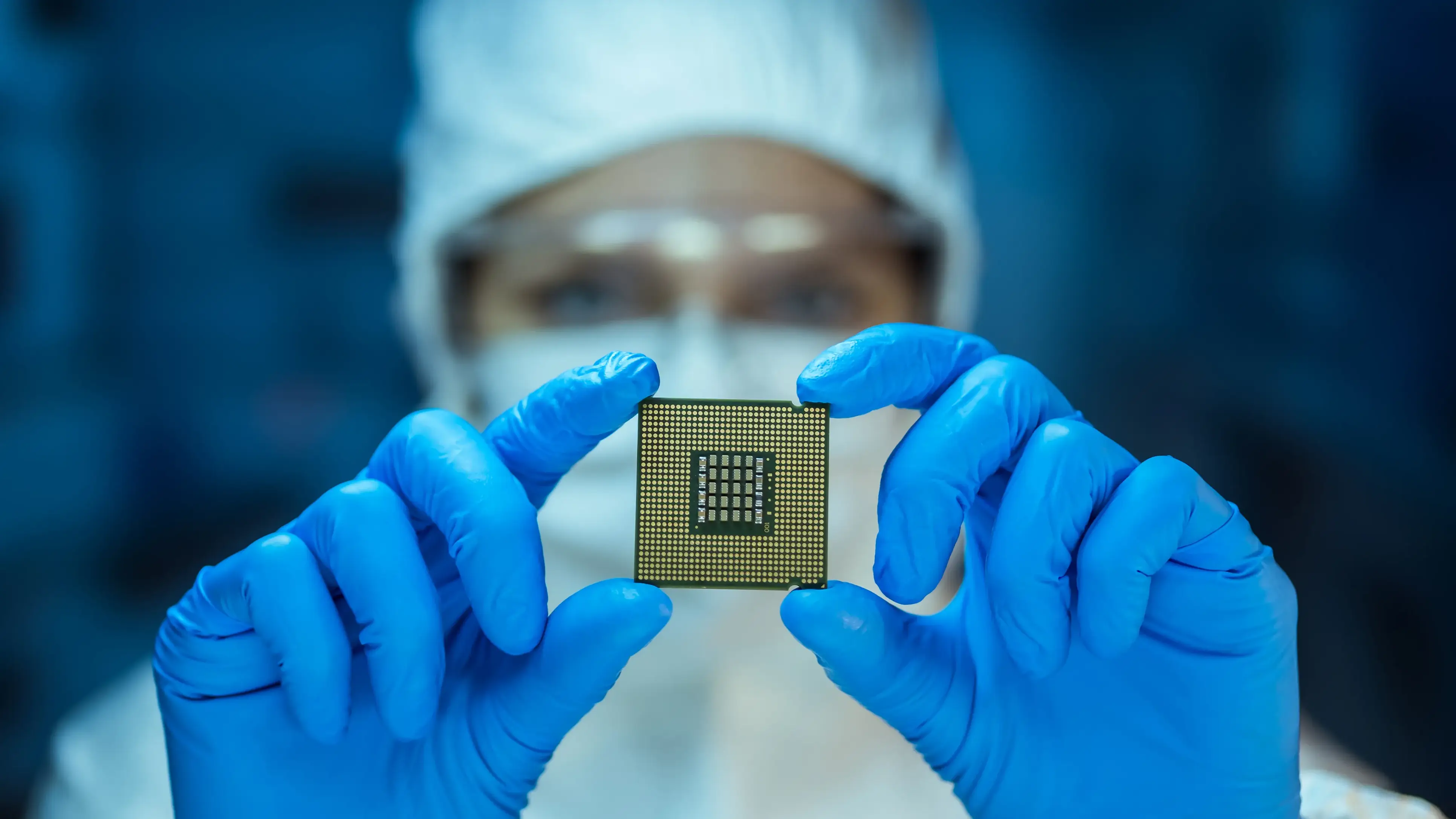
A report from Automotive News Europe highlights that semiconductors and electric vehicle (EV) batteries could face critical supply shortages if the current Iran conflict continues for more than two months. Data compiled by the Supply Chain Intelligence Institute Austria suggests that the military actions in the region are not only affecting oil and natural gas supplies but also the availability of noble gases, which are essential components in the manufacturing of electronic chips.
Peter Klimek, the author of the study, pointed out the specific challenges this presents. “Around one-third of the helium needed for chip production comes from Qatar,” he stated. “It will depend on how quickly chipmakers can secure alternative sources.”
While the United States is currently the largest producer of helium globally, the removal of Qatar’s output from the international supply chain could trigger significant global shortages. This comes at a time when the demand for memory chips is already escalating, driven by the increasing need for powerful computing capabilities, particularly for AI applications. This surge in demand places automakers in direct competition with other tech-reliant sectors for these crucial components.
The Strait of Hormuz: A Critical Chokepoint
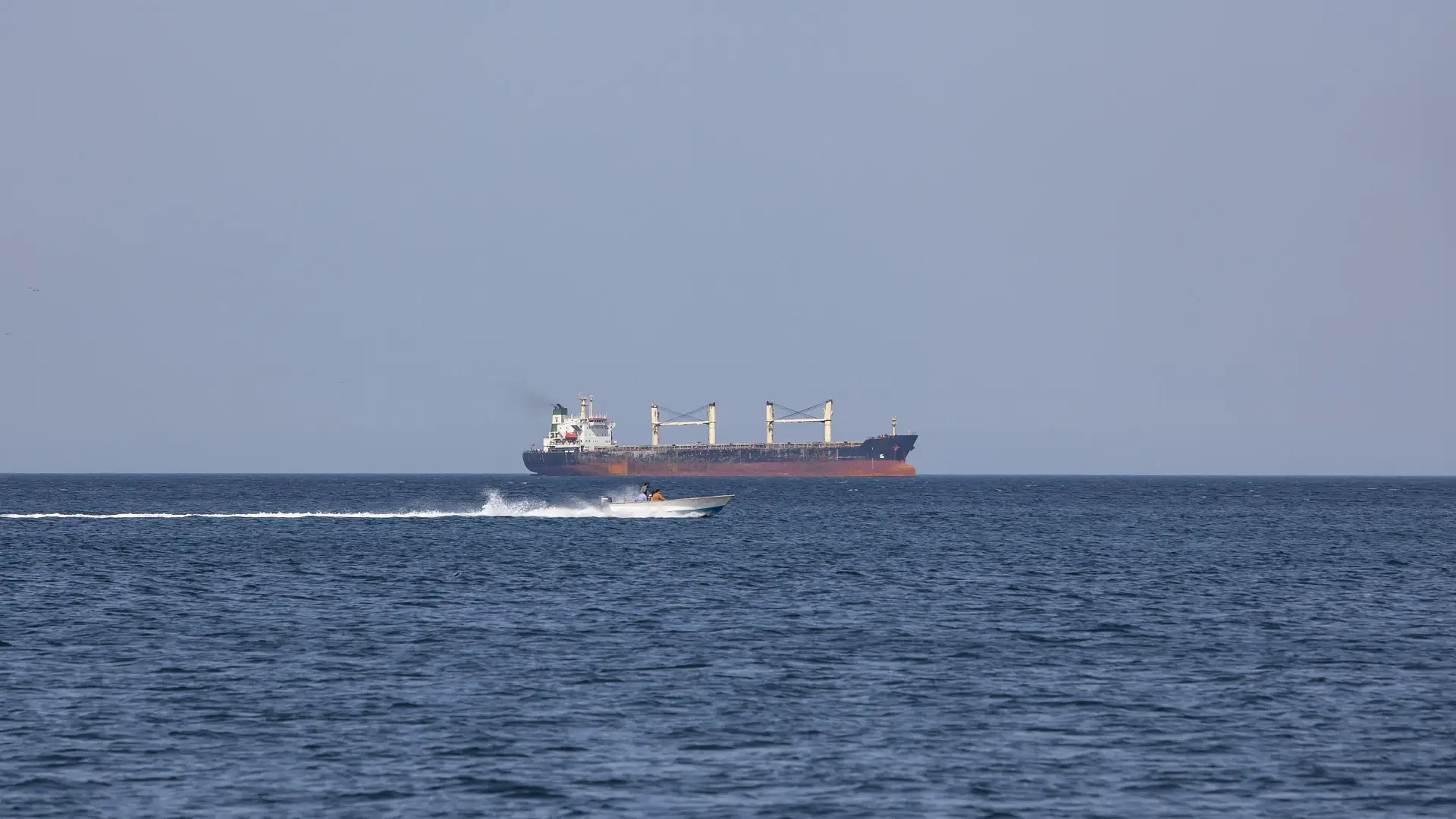
Shipping through the Strait of Hormuz has been significantly disrupted since early March 2026. This vital maritime passage is responsible for the transit of approximately 20 per cent of the world’s oil and natural gas supply, as well as other non-fuel natural resources. For countries like Qatar and Kuwait, the Strait represents their sole maritime route, making any blockades or disruptions particularly damaging to their trade.
Automotive Sector Faces Heightened Risk
Klimek further elaborated on the potential impact on various industries, emphasizing that the automotive sector could bear the brunt of any semiconductor scarcity. “In the event of a chip shortage, the auto industry would likely be hit harder, as priority would be given to sectors such as medical applications,” he explained. This means that even if alternative sources for semiconductors are found, automakers might be placed lower on the priority list for allocation.
The global semiconductor manufacturing landscape is heavily concentrated, with Taiwan producing around 60 per cent of the world’s computer chips. While automakers are currently monitoring the situation closely, they have yet to publicly disclose specific contingency plans to mitigate the potential fallout from this developing crisis.
Lessons from Past Shortages
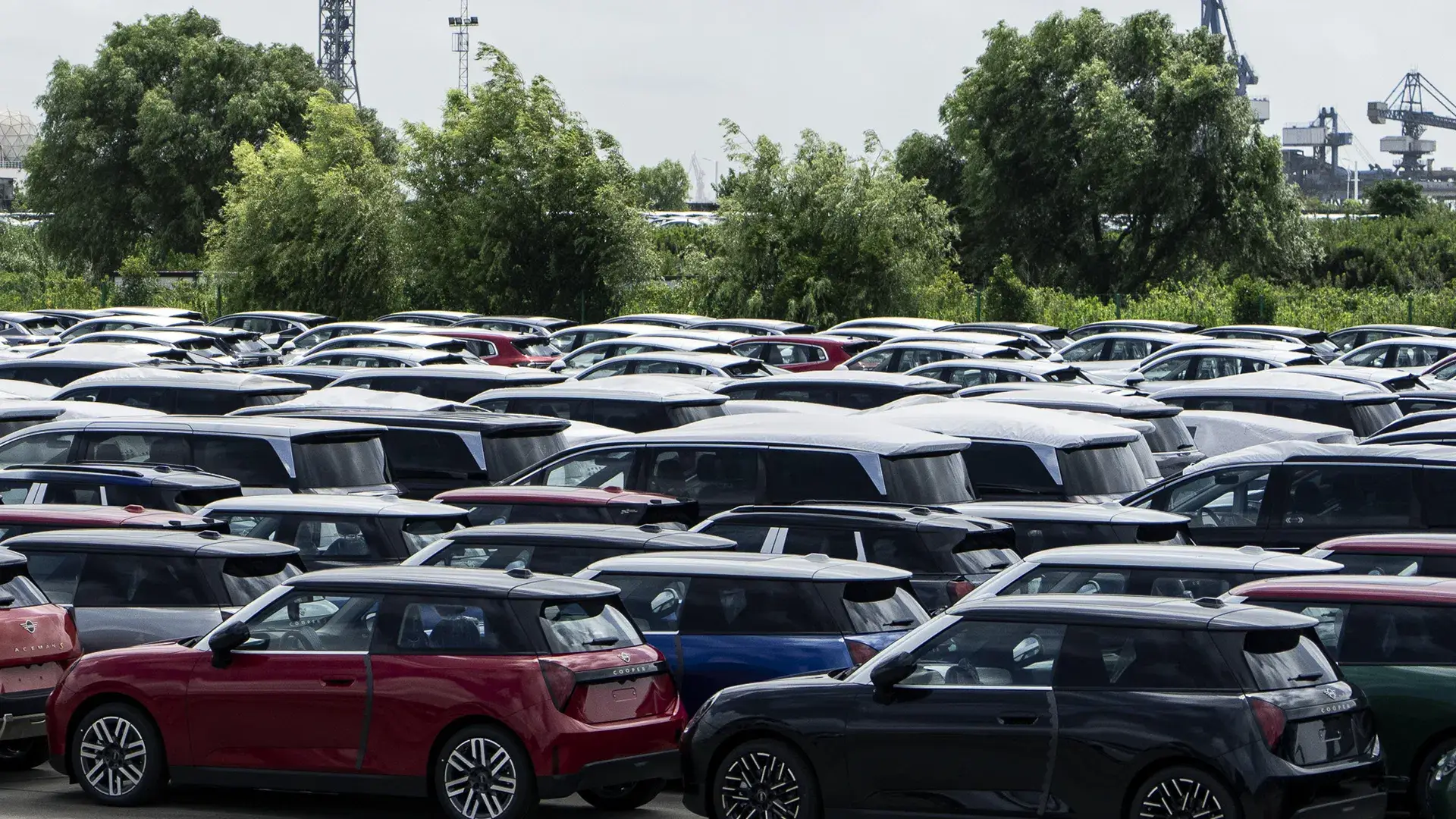
The automotive industry is all too familiar with the consequences of semiconductor shortages. The last major global shortage, triggered by supply chain interruptions during the COVID-19 pandemic, forced many automakers to significantly curtail production capacity between 2020 and 2022. This resulted in widespread production slowdowns, extended waiting times for popular vehicle models, and substantial financial losses for manufacturers.
A swift resolution to the current conflict in the Middle East could potentially avert a major crisis for the electronics production industry, allowing shipping to resume without significant impact. However, as more industries grapple with the escalating costs of fuel and the complexities of restricted global shipping routes, the crucial semiconductor industry appears to be the next sector vulnerable to the ripple effects of geopolitical instability. The delicate balance of global supply chains is once again being tested, with potentially far-reaching consequences for consumers and industries alike.