Rising Popularity of Vaping and Travel Restrictions
With over five million Brits expected to travel abroad during the Christmas and New Year period, according to ABTA, the holiday season is set to be a busy one for international travelers. Additionally, 23 million trips are anticipated in the final quarter of 2025, highlighting the growing trend of global travel. As more people take to the skies, an expert has issued a warning about a common mistake that vapers may make while traveling.
Dan Merchant, director of Vape Club, emphasizes the importance of checking the local vaping regulations of the destination country before booking a trip. Some countries have completely banned vaping, including Singapore and Thailand. Dan explains, “As vaping becomes more popular globally, the laws surrounding it are constantly changing. It’s crucial for vapers to check the local vaping laws of their destination before booking their trip to avoid potential fines or even more severe consequences if vaping is banned in that country.”
Legal Consequences of Vaping Violations
Travellers who ignore local rules could face hefty fines. In Cyprus, for example, it is illegal to vape in public areas or in a private vehicle with a child. If caught breaking these regulations, travellers could be fined up to €850 (£744), as reported by Vape Club. Similarly, in Hungary, vaping in public spaces could result in a fine of up to $980 (£732).
Dan further warns, “The illegal vape trade has grown in countries where vaping is under strict regulation and mirrors the issues once prevalent in the cigarette black market, including youth usage, potentially dangerous products, and unregulated retail sales. To avoid using illegal and potentially harmful products, it’s advisable for travellers to bring their own vaping devices and supplies to countries that permit them in limited quantities for personal use.”

Vaping on Planes and Carry-On Rules
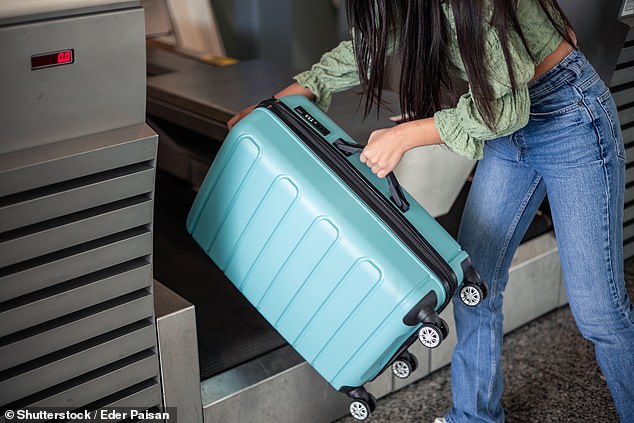
Vaping on planes in the UK is strictly prohibited, and doing so could lead to a fine of up to £5,000 as well as a ban from the airline. Dan advises, “For those travelling to vaping-friendly destinations by plane, remember to pack your batteries and vaping devices in your carry-on luggage. This ensures they remain in a pressure-controlled environment, as they’re not allowed in checked baggage.”
In recent months, several airlines have implemented strict rules prohibiting passengers from bringing power banks in checked luggage going into the hold. This is due to the risk of lithium batteries overheating and causing fires in the cargo hold. If damaged, lithium-ion batteries can create aggressive fires and release highly toxic fumes. This process is known as thermal runaway.
Safety Concerns with Lithium Batteries
The dangers associated with lithium batteries have led to increased scrutiny and regulation. Airlines are taking proactive measures to prevent incidents that could endanger passengers and crew. The focus on safety has prompted stricter guidelines regarding the transportation of electronic devices and their components.
Additional Resources
For more information on the challenges posed by in-flight vaping incidents, readers can explore related articles. These include discussions on the alarming rise of illegal vapes in the UK market, the risks they pose to users, and the impact of a mid-air vape incident that led to a dramatic police intervention. Other topics cover the potential consequences of Britain’s vape ban, its effect on environmental waste, and the reactions from the vaping community.