The Rise of ‘K-Scrub’ and Its Global Appeal
The term ‘K-Scrub’ has captured the attention of foreigners, becoming a symbol of unique Korean culture. In March of this year, BTS member Jin experienced a traditional Korean-style jjimjilbang with the lead actor of the Japanese drama The Solitary Gourmet. Additionally, scenes from the globally popular Netflix animation KPop Demon Hunters showing characters visiting a public bathhouse after a performance have contributed to the growing popularity of ‘K-Scrub’ and ‘K-sesin’ (scrubbing).

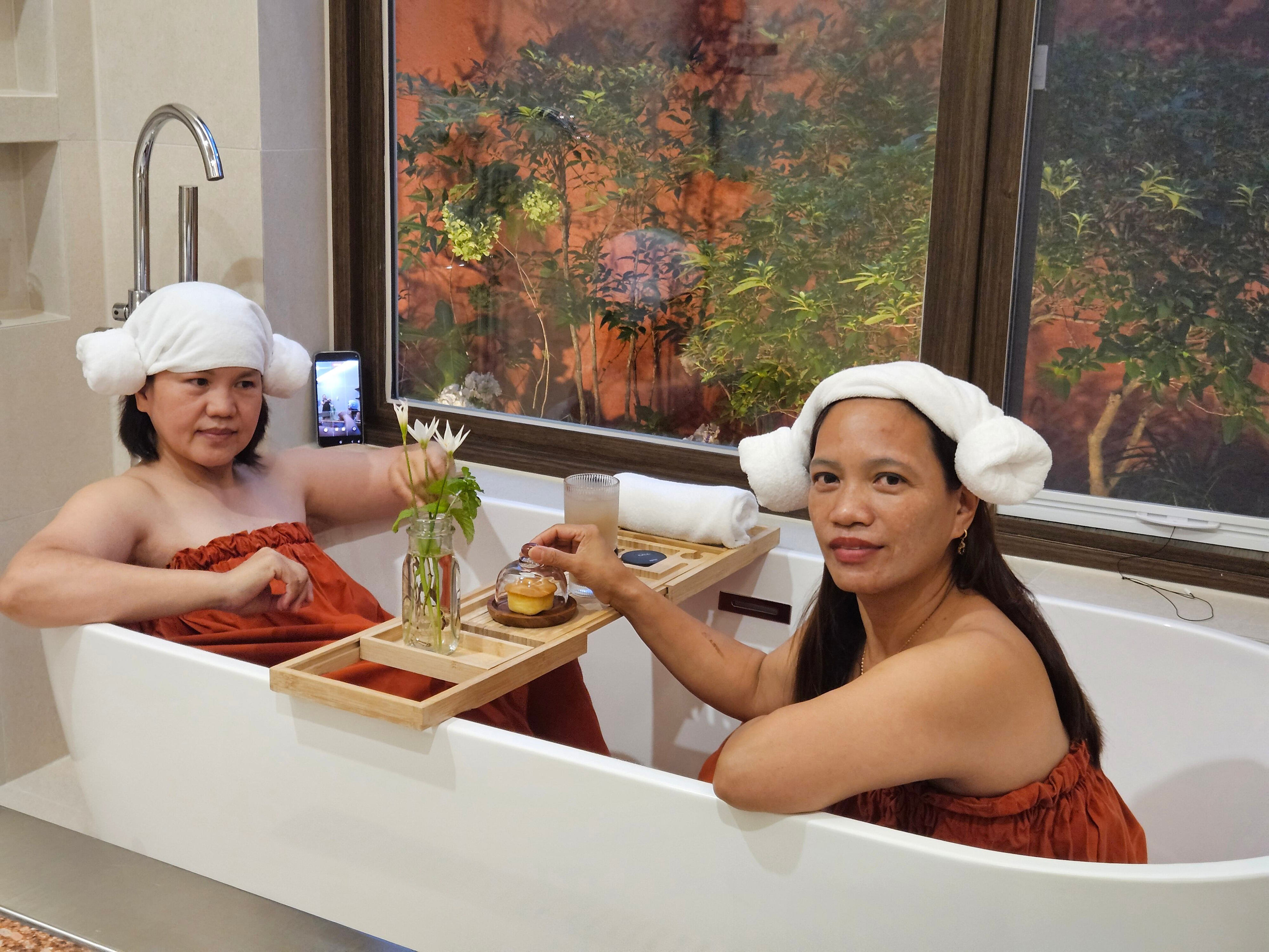
As Korean bathhouses become must-visit destinations for travelers, some establishments have seen a higher proportion of foreign customers than local ones. To accommodate foreigners who may feel uncomfortable in traditional public bathhouses, one-person scrub shops—small spaces where individuals can bathe and scrub simultaneously—have gained popularity.
K-Scrub’s Popularity Driven by Myths About Korean Skin Secrets
A key factor behind the rising interest in K-Scrub is the rumor that Koreans achieve their smooth skin through scrubbing. When Westin Chosun Seoul introduced scrub services during last year’s Chuseok holiday, 84% of customers were foreigners. A source from the hotel noted, “We expected many Koreans to want to cleanse their bodies and minds during the holiday while enjoying a hotel stay, but it was surprising that foreign customers outnumbered Korean ones.” While some customers came from China and Japan, where bathing culture is familiar, the largest group was from the U.S. (23%), followed by Europe (11%). In response, the hotel now offers Korean-style scrub services and bath amenities to guests staying two nights or longer, with bookings available from the 21st of this month to August 31 of next year. Since last month, the hotel has also launched a dedicated scrub service called Onki.
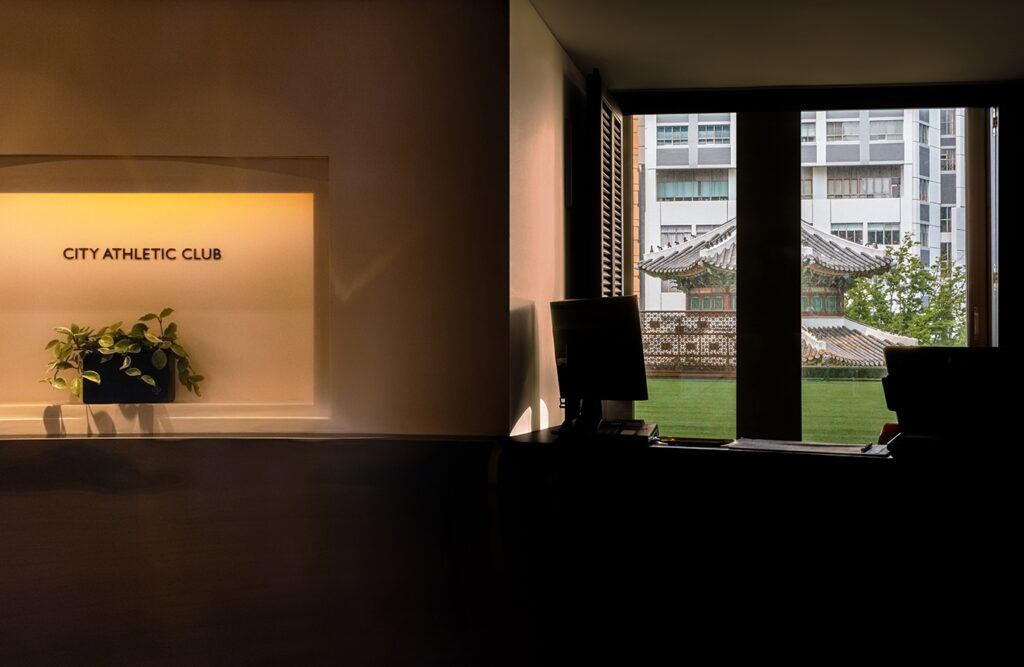
The belief that “Koreans’ smooth skin secrets lie in scrubbing” has made K-Scrub a must-do activity for foreign tourists visiting Korea. At Westin Chosun Seoul’s bath facility, the City Athletic Club, scrub service sales have significantly increased since last year, hitting a record high in October of this year. Centum Spa Land, a jjimjilbang and bath facility in Centum City, Busan, also reported that 50% of its visitors this year were foreigners.
Foreigners who cannot forget the experience of Korean scrubbing often purchase scrub towels and soap as souvenirs. In underground malls near Banpo Express Bus Terminal and street stores in Myeongdong, scrub soaps are stacked and promoted in English, Japanese, and Chinese. Daiso shared, “In the Myeongdong store, where most customers are foreigners, scrub towels such as Italian towels sell 8 times more than in other stores.”
Cultural Differences Lead to One-Person Scrub Shops and Male Scrubber Explanations
One-person scrub shops targeting foreigners unfamiliar with public bathhouses have also become popular. In Seoul’s Seongbuk-gu, the one-person scrub shop Dano Pungjeong has 8 out of 10 visitors as foreigners. The shop, which features a bathtub and scrub bed in a small room for one person, explains how to find the location in English and Japanese on Instagram. Although it operates as a women-only scrub shop, it attracts many customers from the U.S. and the Middle East, as well as Asia. Recently opened one-person scrub shops in Hongdae, Gangnam, and Seongsu are also mainly frequented by foreigners.
For male customers, it is crucial to inform them that services are provided by scrubbers of the same gender. A source from Westin Chosun said, “In some countries, physical contact between men is perceived as a homosexual signal, so we repeatedly ask for consent before a male scrubber proceeds. Even with prior notice, many still feel awkward.”