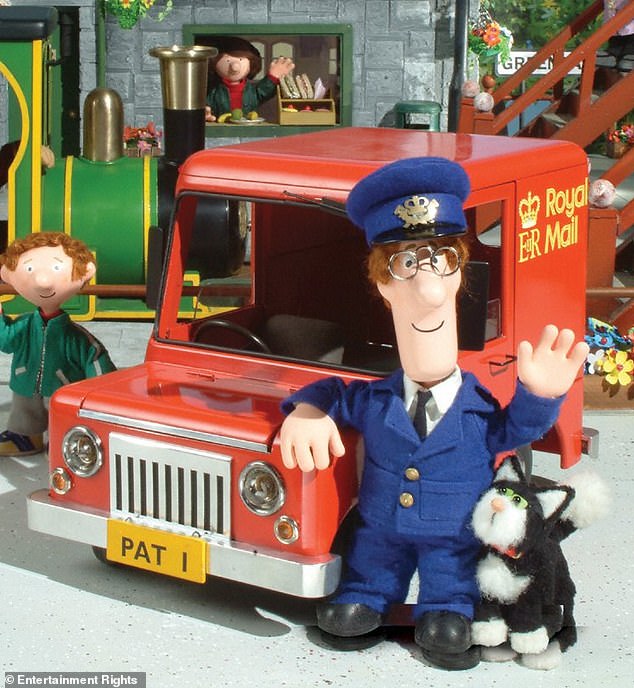
A New Era for Royal Mail: Embracing Gender-Neutral Language
The traditional image of a postman delivering letters and parcels has undergone a significant transformation. The Royal Mail, the UK’s iconic postal service, is now seeking to redefine its workforce by using the gender-neutral term “postpersons” in its job advertisements. This shift marks a pivotal moment in the company’s history, signaling its commitment to inclusivity and diversity.
The decision to use the term “postpersons” is not merely a linguistic change but a symbolic step towards ensuring that the job is accessible to all, regardless of gender. The company emphasizes that this move is part of its broader strategy to reinvent itself for the future, welcoming new talent to join in this exciting journey.
A Historical Perspective
The term “postman” first appeared in 1883 and was strictly associated with male workers. It replaced an earlier title, “letter carrier,” which had a more gender-neutral connotation. However, the transition to “postman” reflected the societal norms of the time, where the role was predominantly occupied by men.
Women’s involvement with the UK’s postal service dates back to 1870, but their roles were limited. Most women worked as telegraphists, and their conditions of service were far less progressive compared to today’s standards. They were often segregated from their male colleagues, highlighting the challenges faced by women in the workforce during that era.
In 1876, the postal service introduced a marriage bar, which prohibited married women from holding any position other than that of a sub postmistress. This policy underscored the restrictive nature of employment opportunities for women at the time.
Women in the Postal Service: A Changing Landscape
Although female delivery staff were not entirely absent in Britain at the beginning of the twentieth century, their presence became more noticeable during the First and Second World Wars. With millions of men serving on the front lines, women stepped in to fill the gap, becoming a familiar sight on the streets.
In 1940, existing postmen were encouraged to bring their “wives, sweethearts, sisters, and lady friends” to assist with the Christmas mail delivery. This marked a significant shift in the perception of women’s roles within the postal service.
Modern Benefits and Opportunities
For those applying for the current vacancies, the Royal Mail offers a comprehensive package of benefits. This includes an hourly rate of £13.60, paid overtime, a uniform, a competitive pension, and an “excellent” family package that includes maternity and paternity leave.
One of the most appealing perks, especially given the high cost of postage, is the provision of “free stamps at Christmas.” This gesture not only highlights the company’s appreciation for its employees but also reinforces its commitment to creating a supportive work environment.
The Impact of Language in Job Advertising
The use of gender-neutral language in job advertisements raises an important question: could a simple word swap unleash a wave of female applicants? Studies suggest that such changes can lead to a surprising 4% boost in applications from women.
This trend is not limited to the postal service. Other professions are also reevaluating their terminology to promote inclusivity. For example, the historic title of “midwife” is being considered for replacement with the gender-neutral “Lead Perinatal Practitioner” to challenge traditional gender roles.
Broader Implications
The movement towards gender-neutral language extends beyond job titles. It prompts a broader conversation about modernizing outdated systems and practices. For instance, there are ongoing discussions about updating Britain’s honours system to ensure equal recognition for spouses.
Additionally, the preference for female Taskers over their male counterparts for DIY tasks highlights a growing trend among British women. Over half of them are even willing to abandon their jobs if they do not receive adequate menstrual health support.
Conclusion
The evolution of the term “postman” to “postpersons” reflects a larger societal shift towards inclusivity and equality. As organizations like the Royal Mail embrace gender-neutral language, they open the door to a more diverse and representative workforce. This change not only aligns with modern values but also sets a precedent for other industries to follow.