Democratic Party Urges Firm Stance on Maritime Issues During President’s China Visit
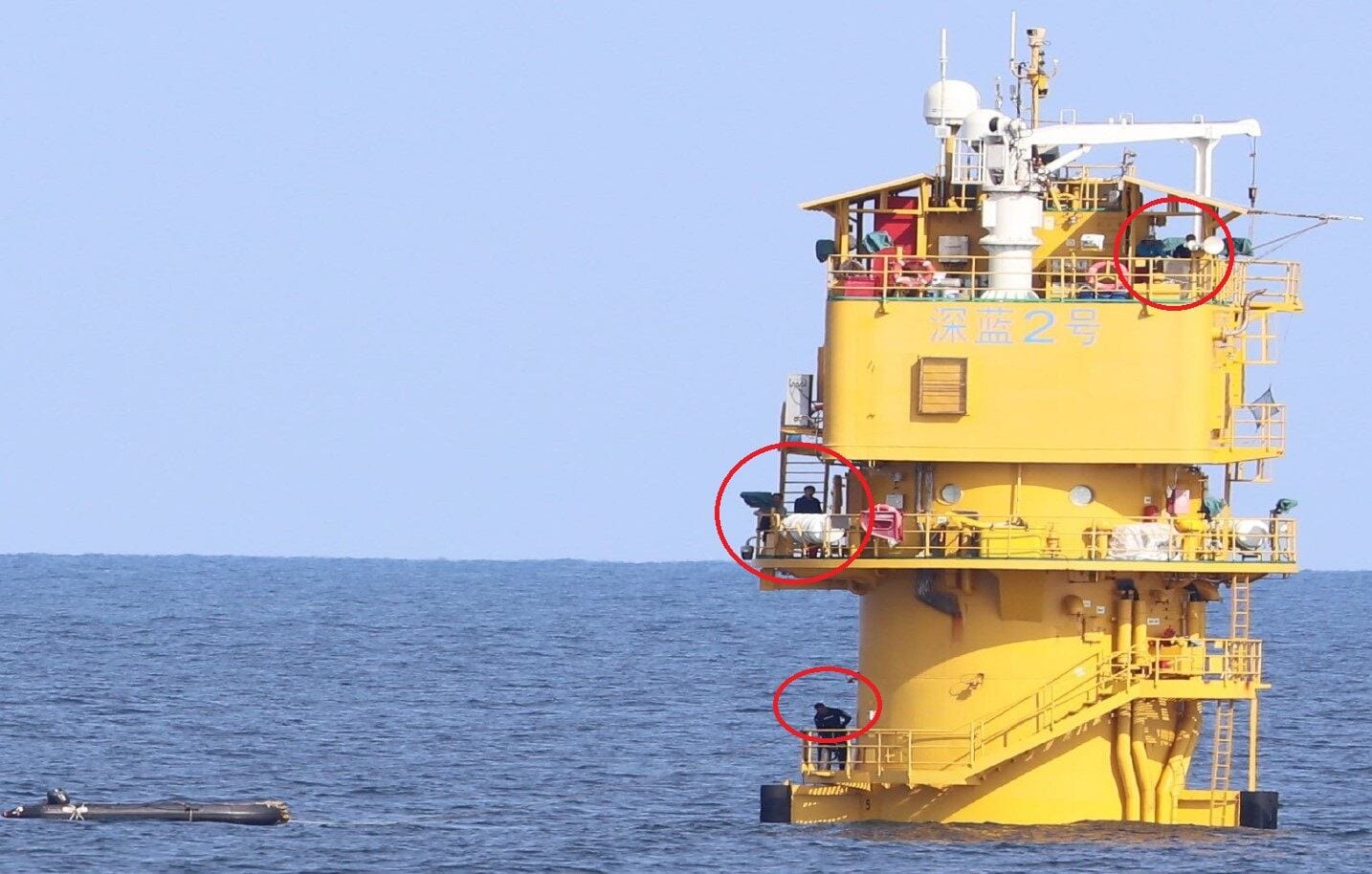
As President Lee Jae-myung embarks on a crucial state visit to China, the Democratic Party of Korea has articulated a clear set of expectations and concerns, emphasizing the need for a resolute approach to pressing bilateral issues while advocating for a balanced diplomatic strategy. The party stressed that the South Korean government must adopt a firm stance regarding the persistent problems of illegal fishing and the presence of unauthorized structures by Chinese vessels in the West Sea.
During a press briefing, Baek Seung-ah, the Democratic Party’s floor spokesperson, highlighted the significance of the upcoming summit. “We anticipate that this Korea-China summit will yield substantial outcomes, fostering an environment of mutual respect and cooperation. It presents a valuable opportunity to expand the scope of South Korea’s diplomatic engagement,” Baek stated.
However, the spokesperson cautioned against actions that could inadvertently escalate tensions. “Provoking unnecessary conflicts and fostering discord with China over these matters would ultimately be detrimental to South Korea’s national interests,” Baek elaborated. She reiterated the established understanding regarding the “One China” principle, noting that this was a foundational agreement made at the time diplomatic relations were established between the two nations. The party warned that emotionally charged anti-China sentiment and excessive agitation are highly irresponsible and could jeopardize the safety and well-being of South Korean citizens and businesses operating within China.
The Democratic Party views President Lee’s state visit as particularly significant, especially in the wake of the successful APEC (Asia-Pacific Economic Cooperation) summit held the previous year. This visit is seen as a pivotal moment to translate the existing cooperation between South Korea and China into tangible results. Furthermore, the party expressed hope that the summit will serve as a turning point, ushering in an era of stable and future-oriented development in Korea-China relations.
The party pledged its consistent support for President Lee Jae-myung’s diplomatic approach, characterizing it as pragmatic and prioritizing national interests and the welfare of its citizens. This approach is underpinned by a strong alliance with the United States, which the party believes is essential for safeguarding South Korea’s security and sovereignty. The overarching hope is that the summit will indeed lead to concrete achievements, built on a foundation of mutual respect and a shared commitment to cooperation, thereby broadening the horizons of South Korea’s foreign policy.
President Lee’s state visit to China is scheduled for a three-night, four-day duration, commencing on the day of the briefing. The highly anticipated summit with Chinese President Xi Jinping is slated for the following day. This visit carries historical weight, marking the first state visit by a South Korean leader to China in nine years, following the trip undertaken by former President Moon Jae-in in 2017. The agenda is expected to cover a range of critical issues, from economic cooperation and regional security to cultural exchange and the resolution of ongoing maritime disputes.
Key Objectives and Concerns for the Summit:
The Democratic Party has outlined several key areas of focus and concern for President Lee’s discussions with Chinese leadership:
Maritime Security and Sovereignty:
- Addressing the persistent issue of illegal fishing by Chinese vessels in the West Sea.
- Demanding the removal of unauthorized structures and encroachments by Chinese vessels in South Korean waters.
- Ensuring the safety and unimpeded activities of South Korean fishermen and maritime assets.
Economic Cooperation and Trade:
- Exploring avenues for enhanced trade and investment that benefit both nations.
- Discussing potential collaborations in emerging industries and technological advancements.
- Ensuring fair trade practices and addressing any existing trade imbalances.
Regional Stability and Security:
- Engaging in dialogue on issues pertaining to the Korean Peninsula’s denuclearization and peace.
- Coordinating efforts to maintain regional stability and counter potential threats.
- Strengthening communication channels to prevent misunderstandings and manage crises effectively.
Citizen and Business Welfare:
- Advocating for the safety and rights of South Korean citizens residing and working in China.
- Ensuring a conducive environment for South Korean businesses operating in the Chinese market.
- Addressing any concerns or challenges faced by the South Korean diaspora.
Diplomatic Relations:
- Reinforcing the spirit of mutual respect and cooperation established at the diplomatic level.
- Building a stable and future-oriented framework for bilateral relations.
- Leveraging the visit to broaden South Korea’s diplomatic influence and partnerships.
The success of this high-stakes visit will undoubtedly depend on the delicate balance struck between asserting national interests and fostering a spirit of constructive engagement, a challenge that the Democratic Party believes President Lee is well-equipped to navigate.