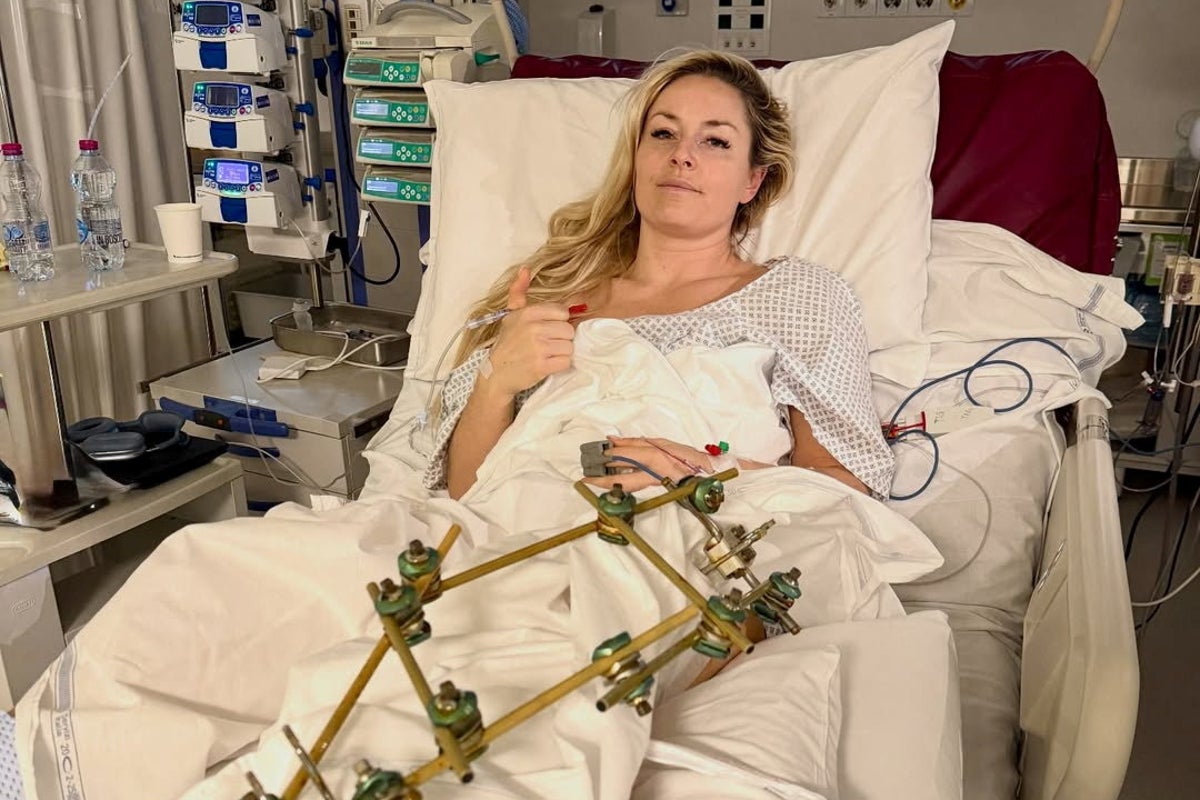
Lindsey Vonn, the celebrated American skier, has spoken out about the harrowing extent of her injuries following a devastating crash at the Winter Olympics, revealing that her leg was on the brink of amputation. After a lengthy hospital stay and multiple surgeries, Vonn is now back home in the United States, embarking on the arduous journey to recovery.
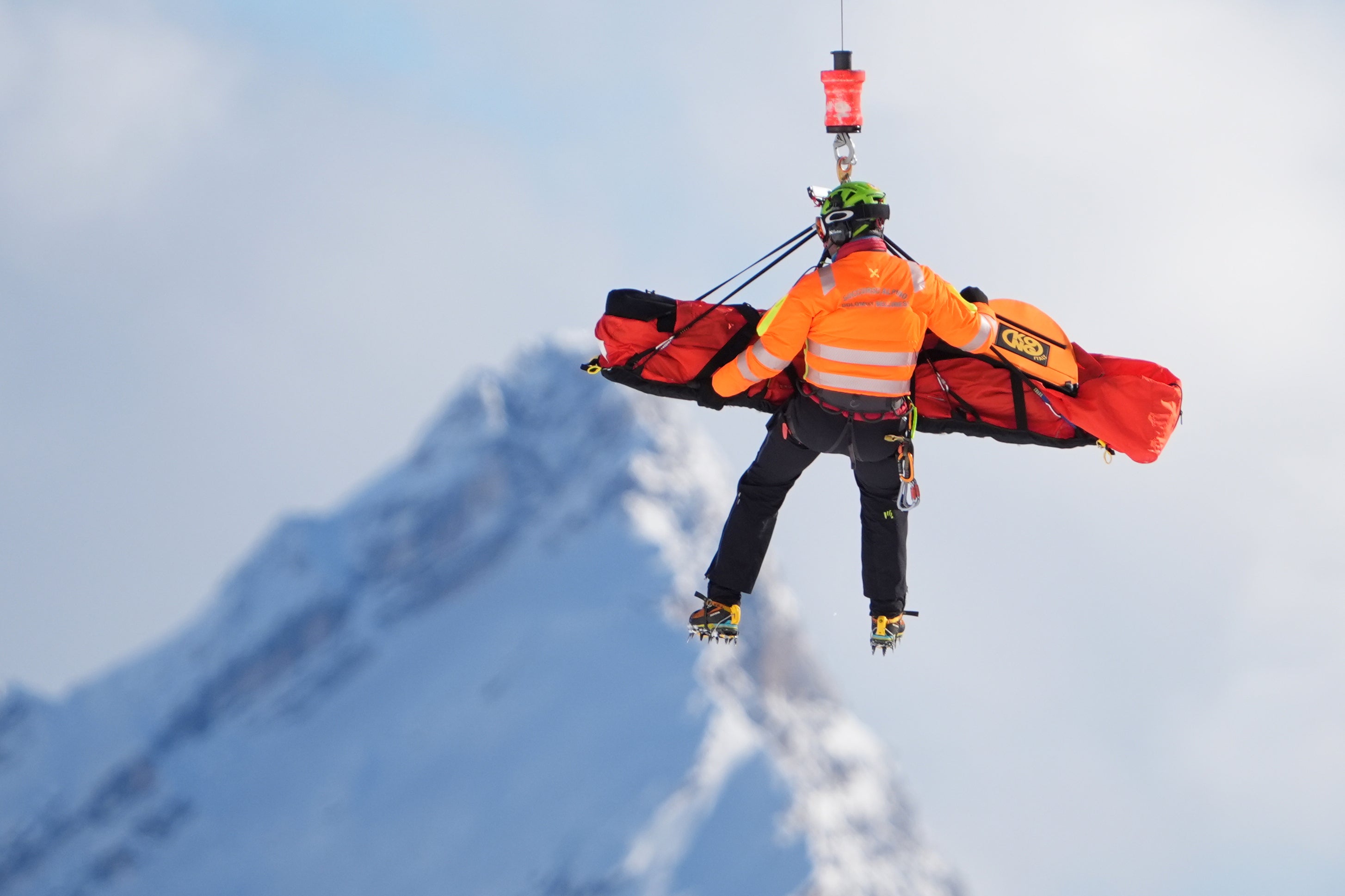
The incident occurred on Sunday, February 8th, during the women’s downhill event in Cortina. Vonn, a formidable contender, clipped a gate, resulting in a severe fall. She was airlifted to a local hospital, where she subsequently underwent a series of complex surgical procedures to address a severe fracture of her tibia. The past fortnight has been a blur of medical interventions and recovery efforts.
Upon her return to the US last week, Vonn underwent her fifth and final surgery. She has now been discharged from the hospital, marking a significant milestone as she begins the long road to regaining mobility. Currently confined to a wheelchair, Vonn, in a candid video shared from her Colorado home, visibly emotional, admitted that the situation could have been far graver.
The Severity of the Injury: Compartment Syndrome
Vonn detailed the intricate nature of her injury, explaining, “I had a complex tibia fracture, I also fractured my fibia head and the reason it was so complex was because I had compartment syndrome.” She elaborated on this critical medical condition:
- Compartment syndrome occurs when excessive trauma to a specific area leads to a dangerous accumulation of blood.
- This excess blood becomes trapped, exerting immense pressure.
- The crushing effect can damage muscles, nerves, and tendons, leading to tissue death.
A Doctor’s Heroics and a Fortunate Twist of Fate
The skier credited Dr. Tom Hackett with saving her leg from amputation. “Dr Tom Hackett saved my leg from being amputated,” Vonn stated. “He did what is called a fasciotomy, he cut open both sides of my leg and let it breathe and he saved me.” This life-altering procedure was a six-hour surgery that Vonn feels incredibly fortunate to have undergone.
Remarkably, Dr. Hackett’s presence at the Winter Olympics was itself a result of Vonn’s prior injury. Just nine days before the Games commenced, Vonn had torn her ACL. This pre-existing injury meant that Dr. Hackett, a specialist, was already on-site and available to attend to her immediately after the catastrophic crash.
“If I hadn’t torn my ACL, which I would have done anyways in this crash, Doctor Tom Hackett wouldn’t have been there,” Vonn explained, highlighting the serendipitous nature of the circumstances. “He wouldn’t have been able to save my leg.” She reflected on the profound impact of this fortunate turn of events, stating, “I always talk about everything happening for a reason… I feel very lucky and grateful for him, for this six-hour surgery.”
The Long Road to Recovery and Additional Injuries
The recovery process is expected to be lengthy, with Vonn estimating that it will take approximately a year for all the bones to heal. Following this initial healing phase, she will need to make a decision regarding the removal of the surgical hardware. Further surgery will then be required to reconstruct her ACL. “Life is life, we have to take the punches as they come,” she remarked stoically.
Beyond the complex tibial fracture, Vonn revealed that she also broke her ankle during the crash. The extensive surgeries led to significant blood loss, causing her haemoglobin levels to plummet to a dangerously low point. This necessitated a blood transfusion.
“I was in the hospital a little longer than I hoped because I had very low haemoglobin from the blood loss from all the surgeries,” Vonn shared. “I was really struggling, the pain was a little bit out of control and I had to have a blood transfusion.” She confirmed that the transfusion was a turning point, allowing her to stabilise and ultimately be discharged.
Currently immobile and reliant on a wheelchair, Vonn’s immediate future involves a period of limited mobility. She expressed her hope of transitioning to crutches in the near future, but acknowledged that this will depend on her progress. The skier’s resilience and determination are evident as she faces this significant challenge, with her focus now firmly set on rehabilitation and a return to peak physical condition.