The kakapo, a flightless parrot native to New Zealand, has long been considered a peculiar anomaly in the avian world. Its considerable size, slow movements, and distinctive scent, once thought to be significant handicaps, made its survival seem improbable. However, this unique bird is now defying its grim prognosis, inching back from the brink of extinction thanks to an extraordinary conservation effort spanning over three decades.
This dedicated work has seen the population of the nocturnal and reclusive kakapo surge from a mere 50 individuals to over 200, representing a significant triumph for biodiversity. The current year is particularly promising, with an unusually abundant harvest of the kakapo’s favoured berries triggering a heightened breeding response. Conservationists are anticipating a record number of chicks hatching in February, a development that could solidify the kakapo’s escape from what was once an almost certain extinction. These rare birds inhabit only three small, remote islands off New Zealand’s southern coast, making wild sightings exceptionally uncommon.
The Peculiarities of the Kakapo
The kakapo is a truly remarkable creature, capable of living for an impressive 60 to 80 years. Physically, they are quite distinctive. These birds can reach weights exceeding 3 kilograms (6.6 pounds). They possess owl-like faces, prominent whiskers, and a striking plumage of mottled green, yellow, and black, which provides excellent camouflage against the dappled light of the forest floor where they reside. This flightless nature, however, has historically complicated their survival.
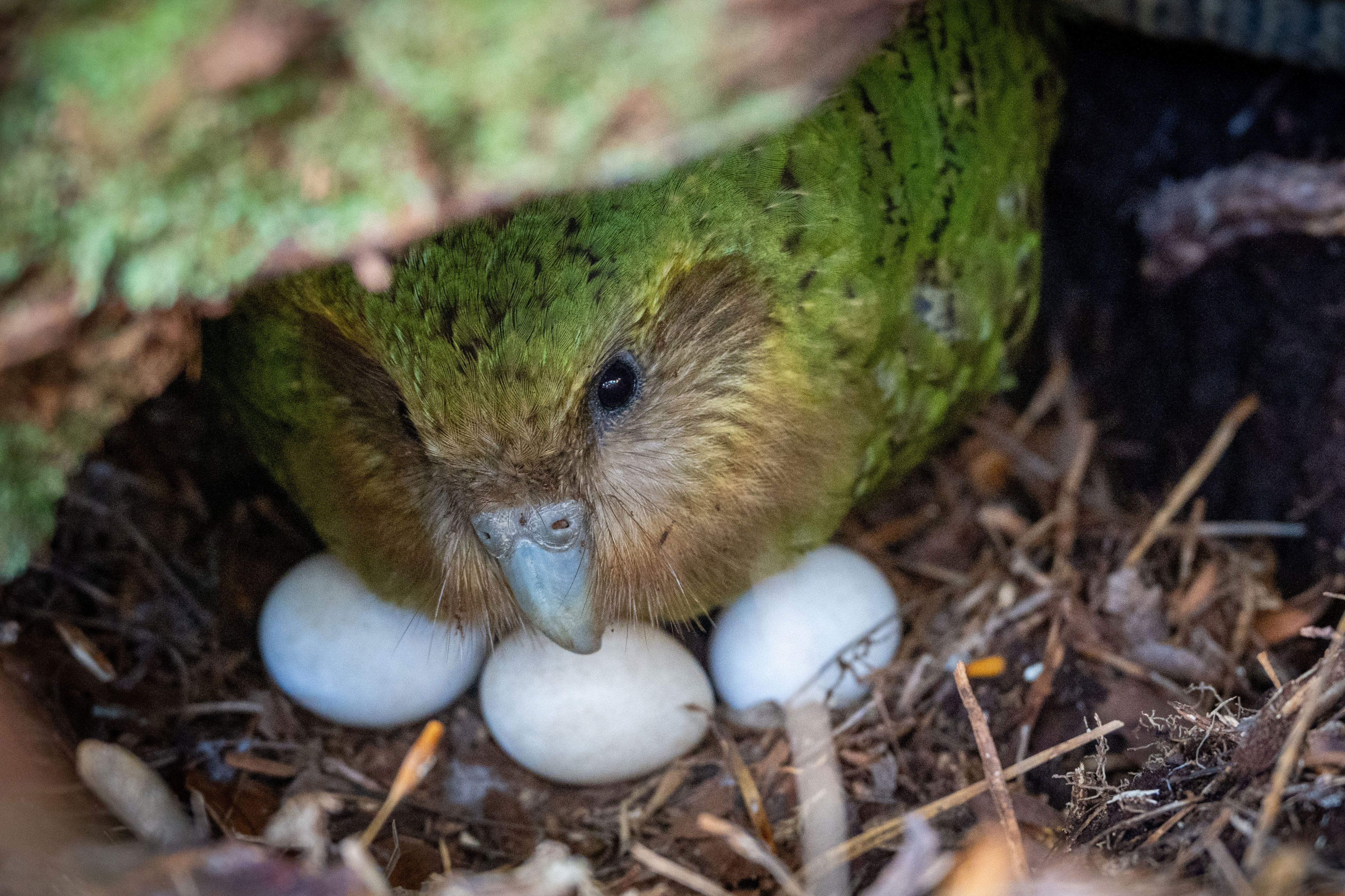
Deidre Vercoe, the operations manager for the Department of Conservation’s kakapo program, highlights another unique characteristic: “Kakapo also have a really strong scent,” she explains. “They smell really musky and fruity — a gorgeous smell.” This pungent aroma, unfortunately, proved to be a disadvantage when humans arrived in New Zealand centuries ago. The introduction of invasive predators such as rats, dogs, cats, and stoats, coupled with hunting by humans and the destruction of native forest habitats, pushed many of New Zealand’s unique flightless birds, including the kakapo, to the very edge of extinction. By 1974, the kakapo was believed to have vanished entirely. However, dedicated conservationists continued their search, and in the late 1970s, a new population of these fascinating birds was discovered, offering a glimmer of hope.
A Slow and Deliberate Path to Breeding
Reversing the kakapo’s fortunes has been a complex and gradual process, largely due to their peculiar breeding habits. It’s not uncommon for years, or even decades, to pass between successful clutches of eggs. Breeding seasons occur only every two to four years, and this synchronisation is directly linked to the availability of bumper crops of fruit from the native rimu trees, which the parrots favour. The last such event, which provided the ample food source necessary for chick survival, occurred in 2022. Exactly how adult kakapo detect these abundant harvests remains a subject of scientific curiosity.
“They’re probably up there in the canopy assessing the fruiting,” suggests Vercoe. “When there’s a large crop developing, they somehow tune into that.”
Once a significant food source is identified, the breeding ritual becomes even more extraordinary. Male kakapo excavate dug-out bowls in the ground and emit deep, sonorous booming sounds. These are followed by distinct noises known as “chings,” which have been described as sounding like the movement of rusty bedsprings. The deep booms, audible across the forest on clear nights, serve to attract female kakapo to their mating arenas. After mating, females lay up to four eggs and undertake the sole responsibility of raising their chicks.
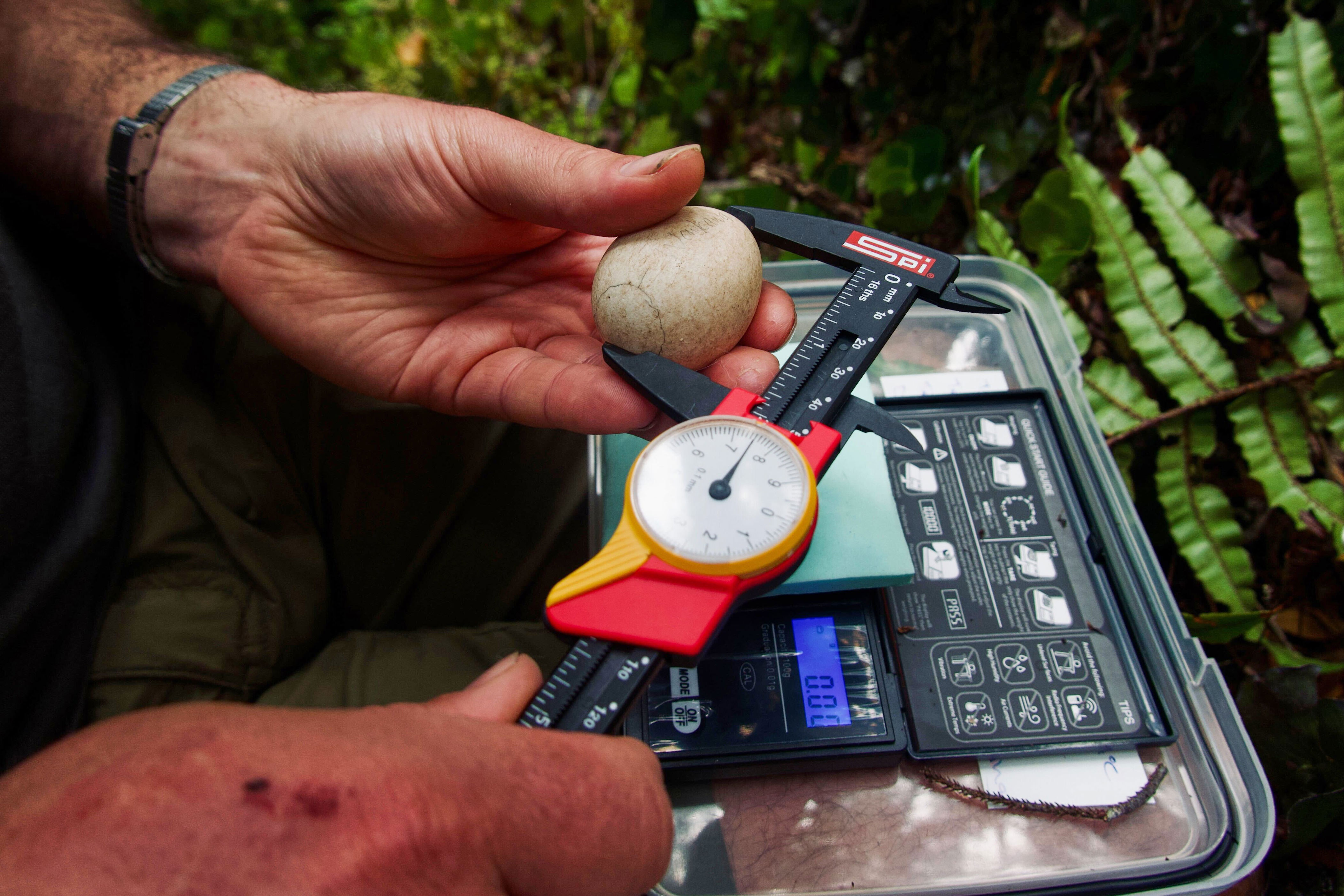
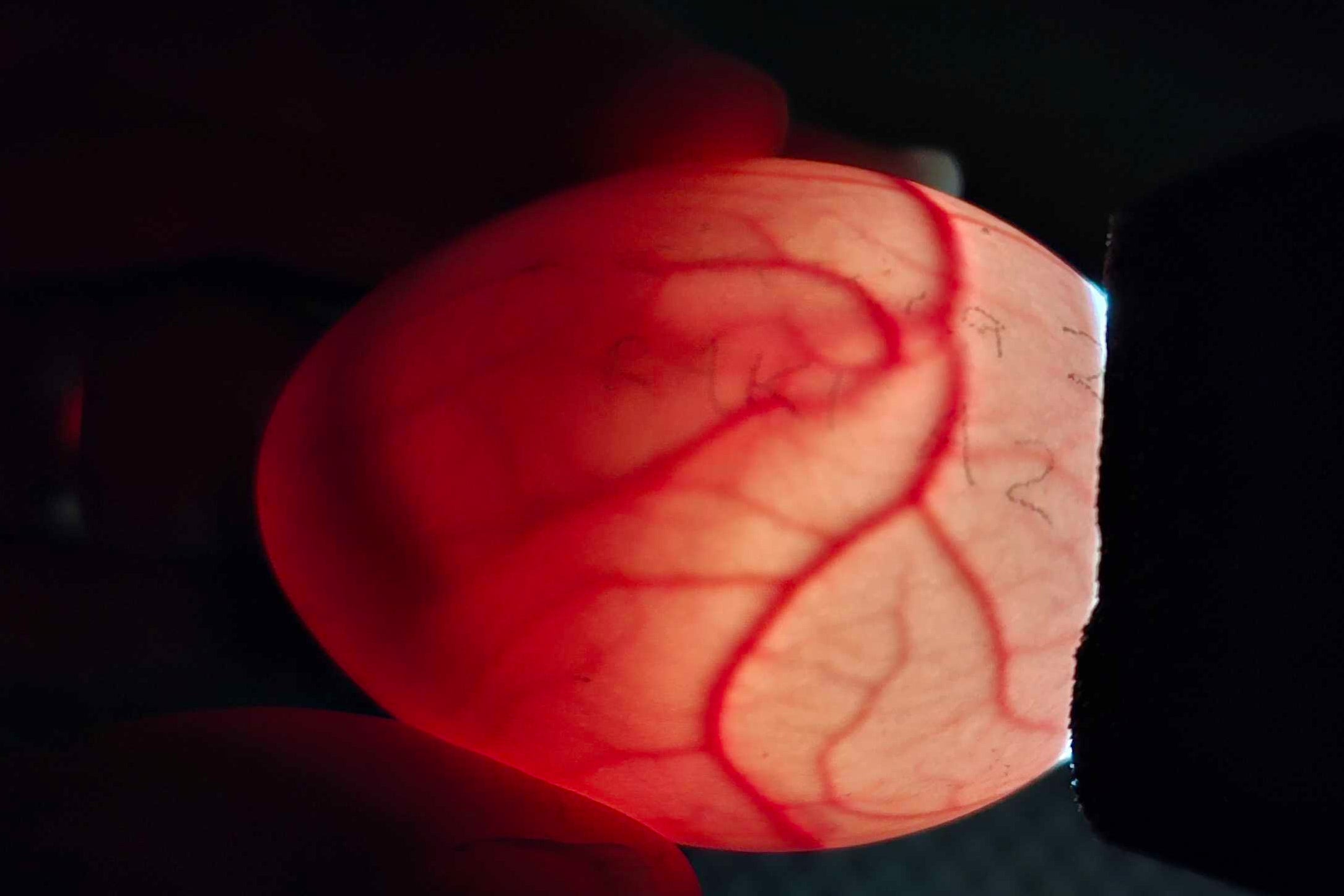
In a rare and captivating development, the public has been afforded a unique glimpse into this process. Since January, a livestream has been broadcasting from the underground nest of Rakiura, a 23-year-old kakapo residing on Whenua Hou island. Rakiura has laid three eggs, two of which are fertile. Given the precarious state of the species, the actual eggs have been carefully replaced with artificial replicas. The genuine eggs are being incubated indoors and will be returned to the nest just prior to hatching, ensuring the highest chance of success.
A National Treasure Worth Saving
The lengths to which New Zealanders have gone to save the kakapo are as remarkable as the bird itself. The quadrupling of the kakapo population over the past three decades has necessitated their relocation to three isolated, predator-free offshore islands. This intensive conservation effort involves the meticulous management of almost every aspect of the parrots’ lives, including their romantic pairings.
“We do what we can to make sure we don’t lose any further genetic diversity,” Vercoe states. “We manage that carefully through having the best matches possible on each island.”
Each kakapo is individually named and fitted with a small backpack tracker, essential for locating them if they go missing, as they are notoriously difficult to find. With the kakapo still critically endangered, the intensive hands-on management is expected to continue for the foreseeable future. However, the conservation team is gradually easing their direct intervention with each successive breeding season.
While the painstaking efforts to preserve this species might appear unusual to external observers, the kakapo is merely one example of the many spirited and peculiar avian species that hold a special place in New Zealand. The country’s only native land mammals are two species of bat, meaning that New Zealand’s birds, which evolved in isolation before the arrival of humans and introduced predators, have become deeply cherished national symbols.
“We don’t have the Eiffel Tower or the pyramids, but we do have kakapo and kiwi,” Vercoe remarks. “It’s a real New Zealand duty to save these birds.” This sentiment underscores the profound connection New Zealanders feel towards their unique avifauna, viewing their preservation as a fundamental national responsibility.