From Debilitation to Deep Healing: A Journey Through Chronic Fatigue and the Power of Movement
For over two decades, Caroline Ings-Chambers has dedicated her career to guiding others through the transformative practices of yoga, Pilates, and movement. Her path, however, wasn’t always one of conscious wellness. Initially an academic, her life took a profound detour in her early twenties when she was diagnosed with chronic fatigue syndrome (CFS), a condition that would fundamentally alter her understanding of her own body and its capabilities.
“Prior to being ill, I didn’t understand how important my body’s physicality was,” Caroline reflects. “I thought my brain was the most important component. As an academic, intellect was what got me places, and the body was a necessary accessory to that.” Like many, she admits to often overriding her body’s signals, pushing through fatigue to meet deadlines and manage an ever-growing to-do list. “We can all do that – and I can still do that today,” she acknowledges, highlighting a common human tendency to ignore physical limitations.
The stark reality of her body’s vulnerability hit home when she was severely debilitated by CFS. “When I was really debilitated I realised how incredibly important my health and strength had been, and that I probably had unwittingly squandered it.”
The Onset of Chronic Fatigue
In 1997, during her PhD studies in English Literature at King’s College London, Caroline’s energetic life was abruptly halted. After receiving vaccinations for an upcoming trip abroad, she experienced a sudden and severe illness, later diagnosed as CFS. She suspects a too-soon polio booster may have been a contributing factor, noting that CFS is often triggered by viral infections and, in a small percentage of cases, can develop post-vaccination.
The day after her vaccinations, she was struck by a debilitating stomach upset that lasted for 36 hours. When it subsided, she wasn’t just tired; she was “totally wiped out.” Her life ground to a halt. Simple activities, like a ten-minute walk, became impossible without needing to rest. Social engagements ceased due to a lack of energy for conversation, and her academic research was severely impacted. “It was very shocking and I felt powerless to help myself.”
Weeks turned into months, and the profound fatigue persisted, leaving her shaking and exhausted even after completing basic daily tasks. A doctor’s visit and blood tests revealed an elevated white blood count, consistent with CFS (now also known as myalgic encephalomyelitis, or ME). The prognosis was grim: a long-term, destabilising illness expected to last three to five years. “I was devastated,” she recalls. At the time, medical understanding was different, and she received no formal support, essentially being told to manage it herself.
The Slow Return to Self Through Yoga
Living back with her parents during her recovery, Caroline grappled with the multifaceted symptoms of CFS, including profound fatigue, brain fog, pain, and post-exertional malaise – a significant worsening of symptoms after even minor physical or mental effort. The emotional toll was immense, leading to hours of tears.
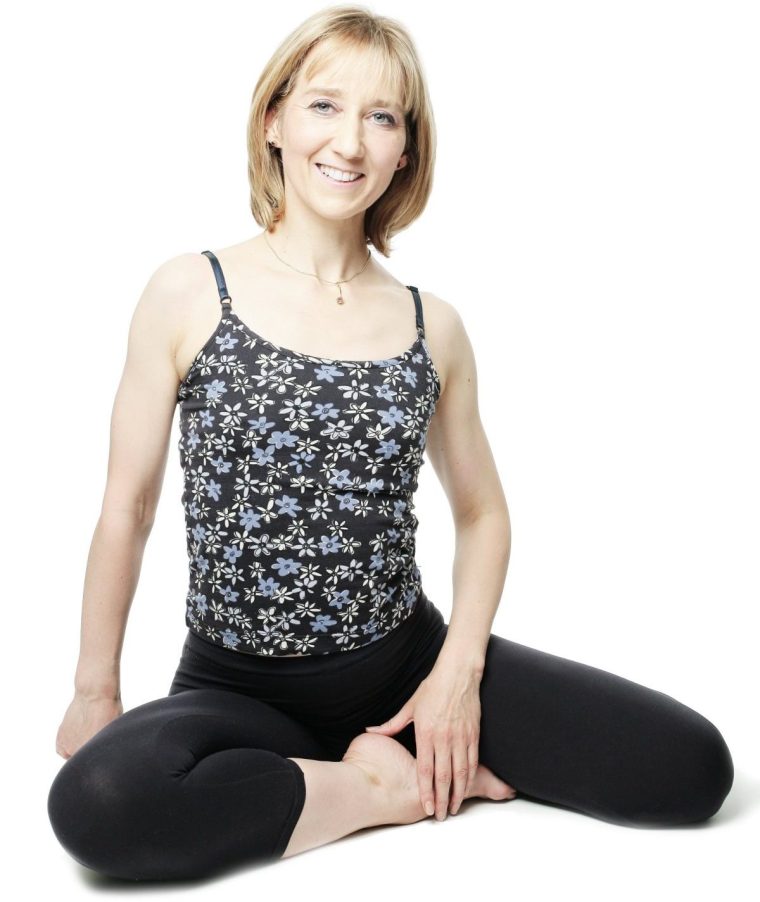
Before her illness, Caroline had found solace and renewed energy in yoga, even though it wasn’t yet mainstream. A year into her debilitating illness, she decided to try incorporating it back into her life. Initially, she could only manage five to ten minutes a day. Her early attempts, holding poses like Warrior or Tree for just five breaths, would leave her heaving, shaking, and sweating.
However, she soon discovered something profound beneath the immediate physical exertion. “Yoga practice lit a pilot light of a different kind of energy that carried me through for longer.” This inner light gradually grew, stronger and more resilient. Caroline describes a slow return from the brink of despair, emerging as a “more whole version of myself than I’ve ever really known before.” As her capacity allowed, she began to lengthen her practice, each session fostering renewed inner strength and gradually rebuilding her aerobic energy.
Rebuilding and Redefining Wellness
The initial year of recovery was slow, but once her strength began to return, her body responded relatively quickly. She resumed fitness activities like aerobics and, as a celebration of her progress, trained to become an exercise instructor. While she may have appeared “back to normal” to the outside world, behind the scenes, she meticulously managed her energy with periods of rest, strict bedtimes, and a focus on fresh foods. She returned to work gradually, securing part-time contracts by 1999 and resuming her research. In 2000, she embarked on her yoga teacher training, and by 2002, she considered herself fully recovered from CFS.
Her four-year part-time teacher training with the British Wheel of Yoga went beyond physical postures, delving into the underlying principles of yoga such as energy, meditation, and the mind-body connection. Her initial skepticism about yoga’s energetic practices transformed into a “deep faith in the power of yoga to heal and restore.”
During her recovery, Caroline learned the critical importance of staying within her energy limits to avoid setbacks. This meant acknowledging the necessity of rest, even when it felt counterintuitive. “It’s hard to teach yourself to do it,” she admits. This period taught her invaluable lessons about sustainable energy, resilience, and self-compassion.
Yoga as a Constant Companion
Today, yoga remains a vital companion in all aspects of her life. Whether she’s feeling tired, anxious, or nervous, her practice offers a unique reflection of what she needs. She now maintains a dedicated practice of about an hour and a half daily. She also teaches Pilates, and on days she practices Pilates, her yoga sessions are shorter, around thirty minutes.
Caroline identifies a pivotal moment in her CFS recovery as the point when she stopped resisting her debilitation and fully accepted her situation. Her mantra became: “Be here now and act from here.” This acceptance, deeply cultivated through her yoga practice, allowed her to pace her recovery rather than fight it—a principle she still applies when facing life’s challenges.
As a teacher, Caroline enthusiastically recommends yoga to anyone seeking greater vitality, citing its direct impact on the nervous system through breath and spinal alignment. However, she also stresses the importance of readiness. For individuals disconnected from their bodies due to trauma, she explains that healing may initially come from generating inner strength and energy to foster a sense of security and grounding. While yoga is a potent facilitator of this process, it is not the sole path to such profound healing.