Our Shrinking Moon: Uncovering a Dynamic Lunar Surface and Hidden Dangers
It might seem like a simple observation, but that feeling that the Moon looks a little smaller than you remember is actually rooted in scientific reality. Recent research has confirmed what scientists have long suspected: our celestial neighbour is, in fact, shrinking. This ongoing contraction is not just a passive process; it’s actively reshaping the lunar landscape, creating new geological features and, more concerningly, posing potential risks to future human endeavours on its surface.
Scientists from the Center for Earth and Planetary Studies at the National Air and Space Museum have made a significant discovery, identifying over a thousand previously unmapped cracks on the Moon. These findings provide compelling evidence of the Moon’s ongoing contraction and the dynamic geological processes it’s undergoing. This revelation comes with a stark warning: astronauts who might one day explore or even establish a presence on the lunar surface could be vulnerable to powerful, potentially devastating moonquakes.
A Shrinking Giant: The Science Behind Lunar Contraction
The understanding that the Moon is gradually shrinking has been developing since 2010. The primary driver behind this phenomenon is the Moon’s cooling interior. As the core loses heat, the Moon contracts, much like a cooling apple shrivels. This contraction causes the rigid lunar crust to buckle and break, leading to the formation of distinctive geological features.
Initially, scientists observed these effects primarily in the lunar highlands, where the shrinking crust created features known as “lobate scarps.” These are essentially cliffs or steep slopes that form when the lunar crust compresses. The immense forces involved push sections of the crust upwards and over adjacent areas along fault lines, resulting in a ridge-like formation.
New Discoveries in the Lunar Maria
However, the latest study has expanded our knowledge significantly by identifying similar, yet distinct, features in a different part of the Moon: the lunar maria. These are the vast, dark plains that dominate much of the lunar surface, often visible to us as the “seas” of the Moon. The researchers have identified these new formations as “small mare ridges” (SMRs).
Cole Nypaver, the lead author of the study, highlighted the significance of this discovery: “Since the Apollo era, we’ve known about the prevalence of lobate scarps throughout the lunar highlands, but this is the first time scientists have documented the widespread prevalence of similar features throughout the lunar mare. This work helps us gain a globally complete perspective on recent lunar tectonism on the moon, which will lead to a greater understanding of its interior and its thermal and seismic history, and the potential for future moonquakes.”
The research team meticulously analysed lunar imagery, uncovering a remarkable 1,114 new SMRs. This brings the total number of identified SMRs on the Moon to 2,634, painting a much more comprehensive picture of lunar geological activity.
A Young Moon with an Active Past
While the term “old” might come to mind when discussing geological features millions of years old, the SMRs and lobate scarps are considered relatively young in lunar terms. The SMRs identified in the new study are, on average, approximately 124 million years old, while the lobate scarps are around 105 million years old.
Tom Watters, who first identified lunar cracks in 2010, commented on the implications of these findings: “Our detection of young, small ridges in the maria, and our discovery of their cause, completes a global picture of a dynamic, contracting moon.” This suggests that the Moon has been geologically active much more recently than previously thought.
Implications for Future Lunar Exploration
The discovery of these active geological processes, while fascinating from a scientific standpoint, carries significant weight for space agencies planning future missions. NASA, for instance, has ambitious plans to land humans on the Moon by 2028 as part of its Artemis III mission.
The widespread distribution of these SMRs, and the underlying tectonic activity they represent, raises concerns about the safety of long-term lunar habitation. The researchers cautioned in their study, published in The Planetary Science Journal, that “The distribution of SMRs may also be of relevance to any long–term lunar habitation due to the hazards that shallow moonquakes pose to human–made lunar infrastructure.”
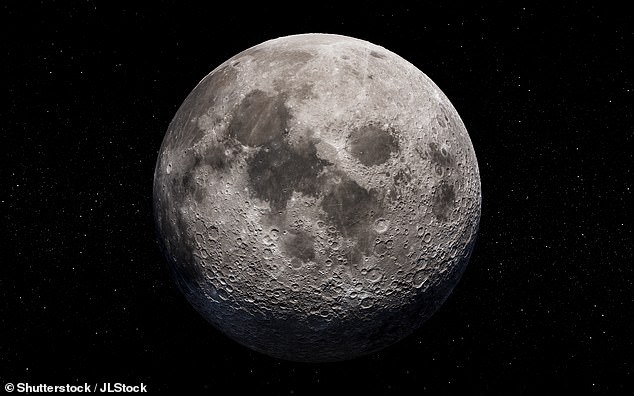
The potential for moonquakes, triggered by the ongoing contraction and shifting of the lunar crust, could pose a serious threat to any structures or equipment left on the lunar surface. Understanding the frequency, magnitude, and location of these seismic events will be crucial for ensuring the safety and success of future crewed and uncrewed missions to the Moon. This ongoing research not only enhances our understanding of our closest celestial neighbour but also plays a vital role in paving the way for humanity’s return to the lunar surface.