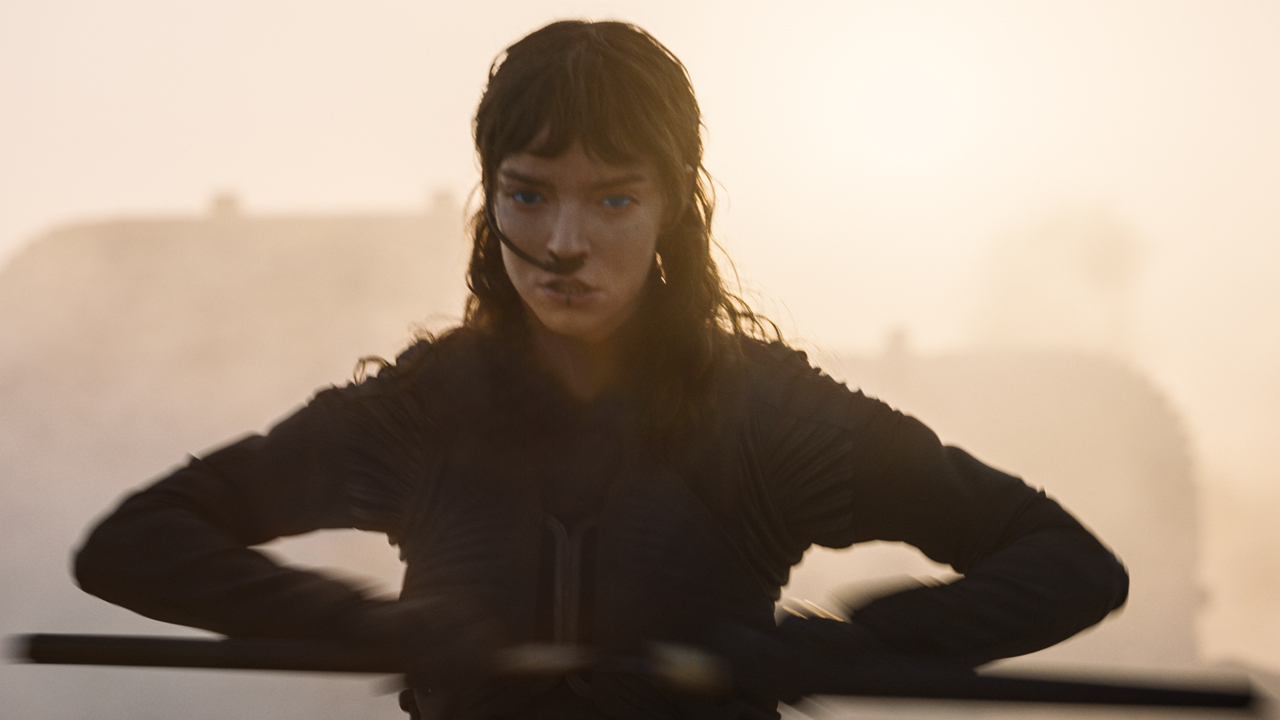
Alia Atreides Steps Out of the Shadows: How a 17-Year Jump Redefines “Dune: Part Three”
The recent unveiling of the first teaser for Denis Villeneuve’s upcoming “Dune: Part Three” sent ripples of excitement through the fandom, but one detail stood out: the significant leap forward in time. While Frank Herbert’s original novels saw a 12-year gap between “Dune” and “Dune Messiah,” Villeneuve’s cinematic adaptation boldly stretches this to a full 17 years. This expanded timeline isn’t merely a narrative convenience; it’s a deliberate choice designed to fundamentally transform the trajectory of House Atreides and thrust its most formidable, albeit unborn, daughter into the spotlight.
The Extended Time Jump: Unleashing Alia Atreides’ Potential
At the conclusion of “Dune: Part Two,” Alia Atreides has yet to make her physical debut. Her presence is felt only through fleeting visions of Anya Taylor-Joy, portraying an adult Alia whispering prophetic warnings to her brother Paul from within their mother’s womb. Her impending birth, shortly after the pivotal Battle of Arrakeen, was always destined to be a rapid ascent.
In Herbert’s source material, the 12-year time jump transforms Alia into a disconcerting teenager, an “Abomination” burdened and empowered by the collective memories of countless ancestors, wielding formidable skills in manipulation and combat. However, with a 17-year leap, Alia enters “Dune: Part Three” as a fully realised 17-year-old woman, her dangerous abilities honed and under her complete command. This isn’t just a cosmetic change; it’s a narrative metamorphosis.
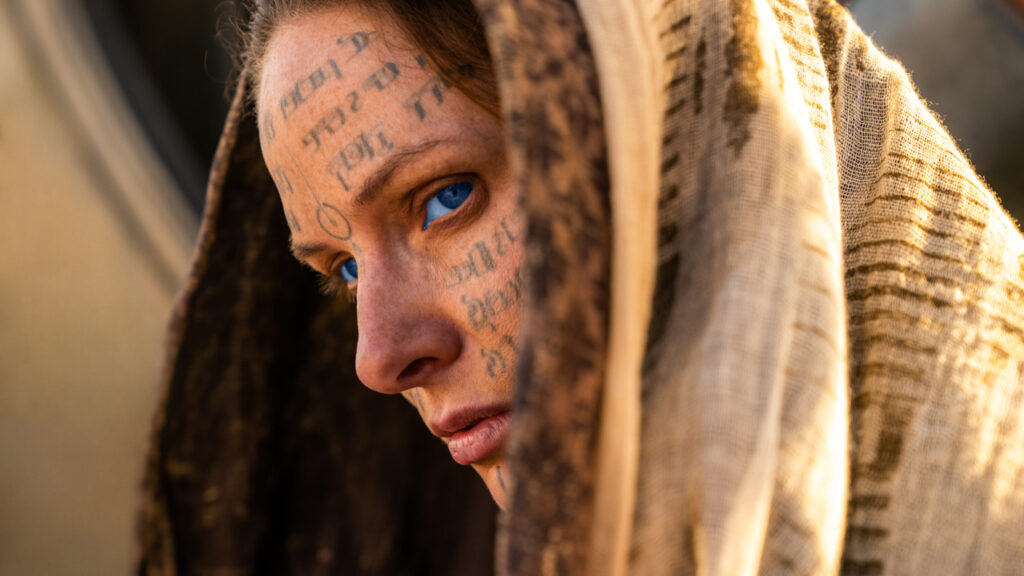
Villeneuve’s Vision: Alia as the Film’s Anchor
The decision to extend the time jump is far from arbitrary. Villeneuve himself has described Alia as “the anchor of the film,” and this significant temporal shift grants Anya Taylor-Joy the crucial space needed to fully embody a character whose potential was previously constrained by the limitations of a child’s form. No longer is she a precocious child delivering ancient pronouncements in a high-pitched voice.
Instead, audiences are poised to witness a commanding young woman, her movements imbued with the refined grace of a Bene Gesserit, her voice resonating with the profound wisdom of generations. She has transcended the role of Paul’s younger sibling; she has emerged as his equal, his moral compass, and, intriguingly, a potential catalyst for his ultimate downfall.
This amplified maturity has profound implications for the surrounding narrative. In “Dune Messiah,” Alia’s relationship with the resurrected ghola, Duncan Idaho, felt somewhat strained due to her relative youth. The 17-year jump effectively smooths this dynamic while preserving the inherent tragedy of their connection: an ancient soul, trapped within the vessel of a young woman, finding herself drawn to a man resurrected from the dead.
More significantly, this extended timeframe allows Alia to mature into her roles as Regent of the Imperium, high priestess of Paul’s burgeoning jihad, and the living embodiment of the very power that threatens to consume her family. House Atreides, having risen from the unforgiving sands of Arrakis, now faces the peril of being undone by one of its own, whose power has grown beyond the bounds of control.
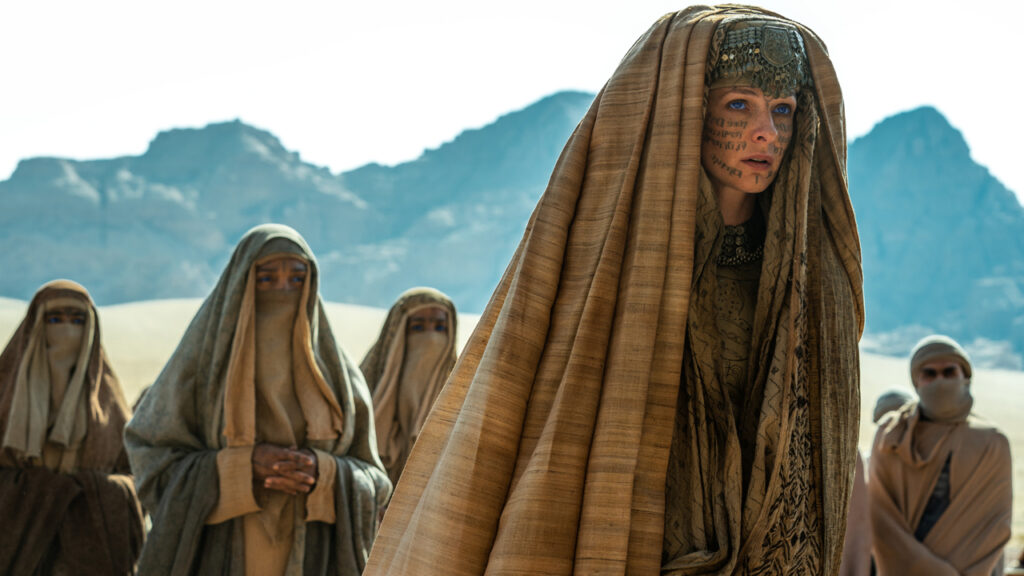
Reshaping the Sands of Arrakis: “Dune: Part Three” Reimagined
The impact of this temporal shift is already palpable. The trailer offers tantalising, potent glimpses of Taylor-Joy, her eyes blazing with an otherworldly fire, her voice carrying the gravitas of countless lifetimes. Villeneuve appears to be expertly weaving narrative threads from “Children of Dune” into this singular installment.
Alia’s descent into the complex labyrinth of her own mind, her calculated political manoeuvres against the formidable Bene Gesserit sisterhood, and her desperate, poignant pursuit of love can now unfold with an intensity and depth only an adult performer can authentically convey.
While Paul Atreides, portrayed by Timothée Chalamet, may occupy the imperial throne, the true narrative heart of Arrakis in “Dune: Part Three” undeniably beats within the young woman who was never meant to mature so swiftly. The 17-year jump accomplishes more than simply aging the cast; it liberates Alia Atreides from the looming shadow of her brother’s legend, elevating her into the formidable force the saga has been meticulously building towards.