Greyhounds’ Fade: A Stark Warning for Horse Racing
The recent bans on greyhound racing in Wales and Scotland have sparked a peculiar dissonance, with the sport, now outlawed in those nations, still appearing on major broadcasters like Sky Sports Racing. This juxtaposition, particularly as the British Flat season and the prestigious Dubai World Cup meeting commence, serves as a potent reminder of the delicate balance that sustains any sporting endeavour. While the British Horseracing Authority (BHA) has swiftly distanced itself from these legislative decisions, the rapid decline of greyhound racing in these regions offers a stark and instructive lesson for the future of horse racing.
The BHA’s official statement, disseminated via the Racing Post, was clear: “We are aware of decisions made by politicians in Scotland and Wales to ban greyhound racing… At every stage, both governments have been keen to stress both on the record and directly to the BHA and Scottish Racing that there is no connection between the bills and the future of the horseracing industry in Scotland and Wales.” This is a sensible, if perhaps surprisingly distant, stance. However, the speed and completeness with which greyhound racing has become unpopular and irrelevant in Scotland and Wales over the past two decades should not be underestimated. Tracks closed not solely due to welfare concerns, but more significantly, because public engagement waned and the sport simply ceased to matter to the masses.
The Slow Erosion of Interest: Apathy Over Activism
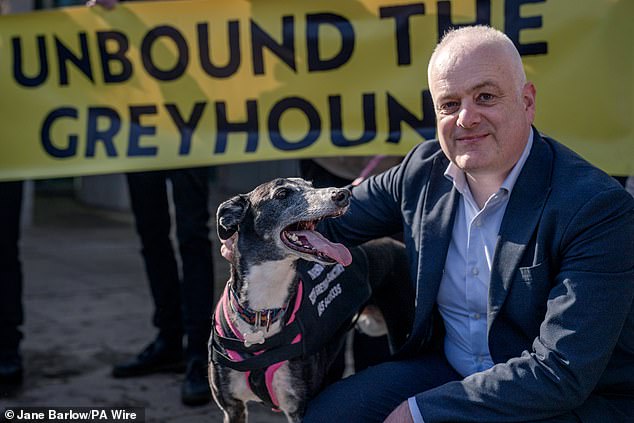
The narrative surrounding the banning of greyhound racing has often been framed as a major political victory, particularly championed by certain environmental parties. Yet, in reality, it appears to have been an exercise in political expediency, targeting an issue with little widespread opposition. The Scottish National Party, for instance, reportedly adopted a neutral stance, neither for nor against the ban. This lack of active opposition from a dominant political force allowed legislation to pass with relative ease, demonstrating the capacity of devolved administrations to enact such measures.
In essence, greyhound racing became an “easy target” in Wales and Scotland, a low-hanging fruit for politicians seeking to appear proactive and progressive without significant political cost. It ticked the boxes of being an uncontroversial issue, one that garnered little public attention, and offered a simple way to project a positive image. The immediate aftermath saw greyhound racing continue in England the very next day, with trainers in banned regions able to simply relocate their operations south. This highlights the legislative’s practical limitations and its somewhat symbolic nature.
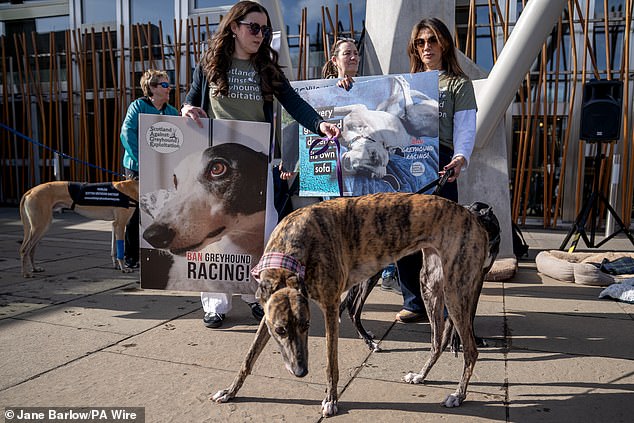
The celebrations that followed such bans, often portrayed as monumental achievements, underscore a worrying trend. When individuals with limited real-world authority can claim significant victories for enacting bans on culturally ingrained activities, it breeds a sense of disillusionment. This sentiment can contribute to voter apathy, as seen in discussions surrounding election turnout.
While the Scottish Parliament has engaged in robust debates on critical issues such as assisted dying, the prioritization of banning cultural activities like greyhound racing, simply because it is “easier,” is a point of concern. It’s this inclination towards a “cancel culture,” driven by fleeting political whims, that should serve as a significant red flag for the horse racing industry.
Horse Racing’s Enduring Popularity: A Fragile Position?
Horse racing currently enjoys a strong position in Britain, ranking as the second most-viewed spectator sport. It boasts substantial cultural and economic significance, supporting a vast number of jobs across the nation. Crucially, it remains firmly embedded in the public consciousness and maintains mainstream relevance. This contrasts sharply with the fate of greyhound racing, which, not so long ago, was a popular working-class pursuit in Wales and Scotland.
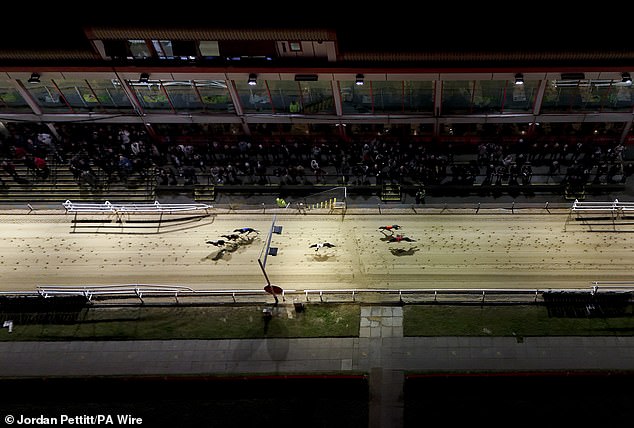
For instance, in Ayr, a local greyhound track once attracted considerable crowds. The old Whitletts track, however, fell into disrepair and eventually closed in 2011, a victim of neglect and a gradual erosion of public interest. The facility became an eyesore, impacting adjacent junior football teams, and the prohibitive cost of renovation (£440,000) led to its demolition and subsequent redevelopment. This scenario, where a sport fades not due to vocal opposition but due to a slow, creeping disinterest, is a pattern that horse racing must actively guard against.
The True Threat: The Silent Majority
As major events like the Grand National approach, the focus often falls on vocal critics on social media. However, the real danger lies not with these loud voices, but with the gradual indifference of the silent majority. When the general public ceases to care about horse racing, the alarm bells should truly ring. This is the insidious nature of apathy: it creates a vacuum that can be easily exploited by those who wish to see the sport diminished. The template for such decline is evident, and horse racing must take proactive measures to prevent its own eventual slide into irrelevance.
Dubai World Cup: A Resounding Success Amidst Global Turmoil
Despite the geopolitical challenges in the Middle East, the Dubai World Cup meeting proceeded without incident, a testament to the event’s robust organisation.
Performance of the Week:
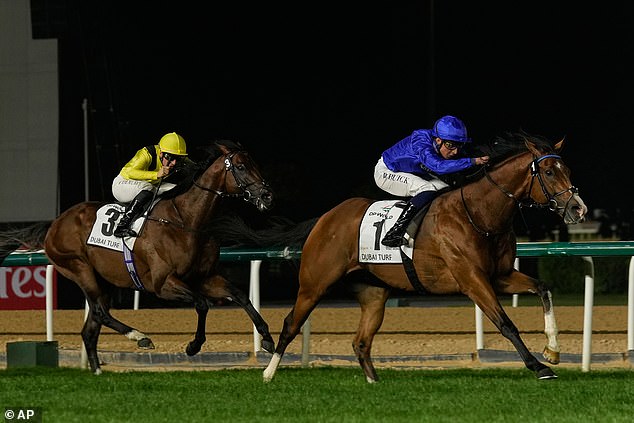
- OMBUDSMAN delivered a spectacular performance to win the Dubai Turf.
This 2-5 favourite, ridden by William Buick and trained by John and Thady Gosden, secured a comfortable victory for owners Godolphin on the 30th anniversary of the prestigious meeting.
He demonstrated a remarkable turn of foot, winning by two lengths.
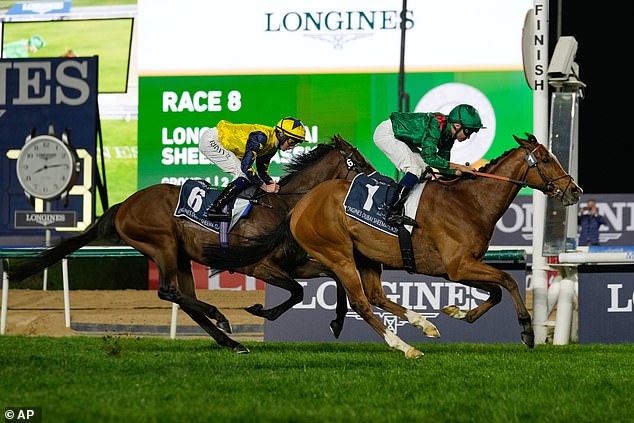
OMBUDSMAN has proven to be a consistently improving horse, showcasing his class once again. He edged out other strong contenders, including the French raider Calandagan, who impressed by winning the Sheema Classic. Calandagan’s smooth victory over West Wind Blows further highlighted the high calibre of international competition at the event.