The Scandal of Fake Rescues on Mount Everest
A disturbing trend has emerged in Nepal, where some mountain guides are allegedly involved in a complex insurance fraud scheme. This operation involves staging fake medical emergencies for foreign climbers, leading to helicopter rescues and fraudulent insurance claims. The practice, which has been exposed through an investigation, is reportedly part of a well-organized network that generates significant profits.
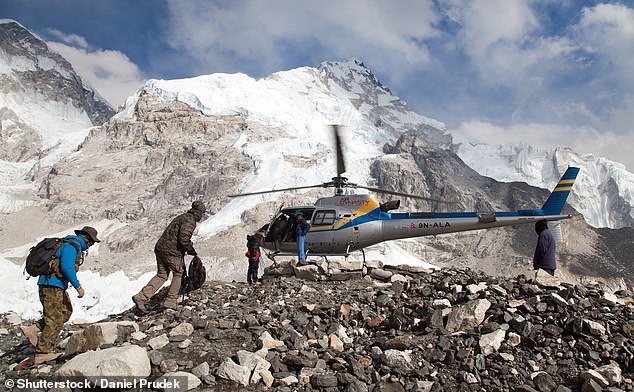
The scam has become increasingly common in the Kathmandu region, particularly near Mount Everest. Guides are accused of creating situations where hikers believe they are in life-threatening conditions, prompting them to be airlifted to hospitals. Once there, false medical records are submitted to insurance companies, allowing scammers to collect large sums of money.
Tactics Used in the Fraud Scheme
There are two primary methods used by the scammers to initiate these fake rescues. The first involves intimidating hikers at high altitudes, where altitude sickness can occur, into thinking they are in immediate danger. This fear is then used to justify an emergency helicopter evacuation.
Another method involves guides encouraging tired tourists to simulate illness so that a helicopter rescue becomes necessary instead of walking back down the mountain. In some cases, guides have even been reported to add baking powder to hikers’ food to induce sickness, making the fake rescue more convincing.
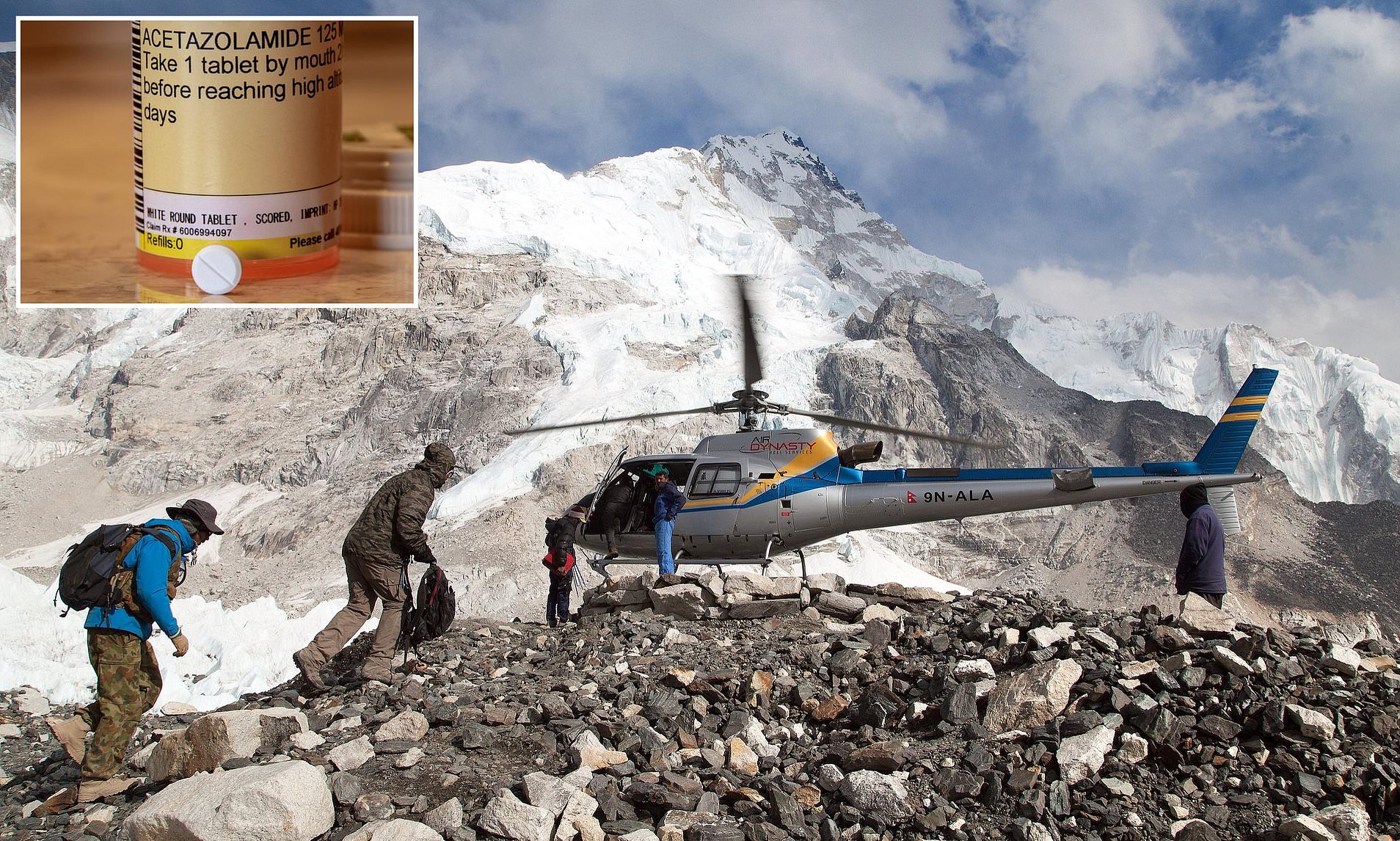
Investigators also found that hikers were given Diamox (Acetazolamide), a medication used to prevent altitude sickness, along with large amounts of water. This combination was intended to trigger symptoms that would prompt a helicopter rescue.

Financial Exploitation and Insurance Fraud
Once the fake rescue begins, the scammers maximize their earnings by charging each passenger as if they had their own helicopter. This means a flight that typically costs $4,000 can be inflated to $12,000. False flight and medical records are then used to support exaggerated insurance claims.
Hospitals play a key role in this scheme by faking treatment records for patients who did not actually receive care. In return for referring patients, hospitals are said to pay 20 to 25 percent of the insurance money to trekking companies and another 20 to 25 percent to helicopter operators.
Some tourists are even offered money to participate in the scheme, further compounding the ethical and legal issues surrounding the fraud.
Scale of the Operation
Between 2022 and 2025, investigators discovered that 4,782 foreign patients were treated at hospitals implicated in the scheme. Out of these, 171 cases were confirmed as fraudulent rescues.
Era International Hospital reportedly earned over $15.87 million from the scheme, while Shreedhi International Hospital brought in more than $1.22 million. Another company, Everest Experience and Assistance, was linked to 71 fraudulent rescues across 601 flights, generating a total of $11.04 million in insurance claims.

Legal Consequences
Last month, the Nepal Police’s Central Investigation Bureau charged 32 individuals with organized crime and offenses against the state. Nine people were arrested, while others remain at large. This marks a significant step in addressing the widespread corruption and criminal activity associated with the fake rescue industry.
As the investigation continues, it remains to be seen how many more individuals will be held accountable for their roles in this elaborate fraud scheme. For now, the scandal serves as a stark reminder of the dangers faced by foreign climbers and the need for greater oversight in the tourism industry.