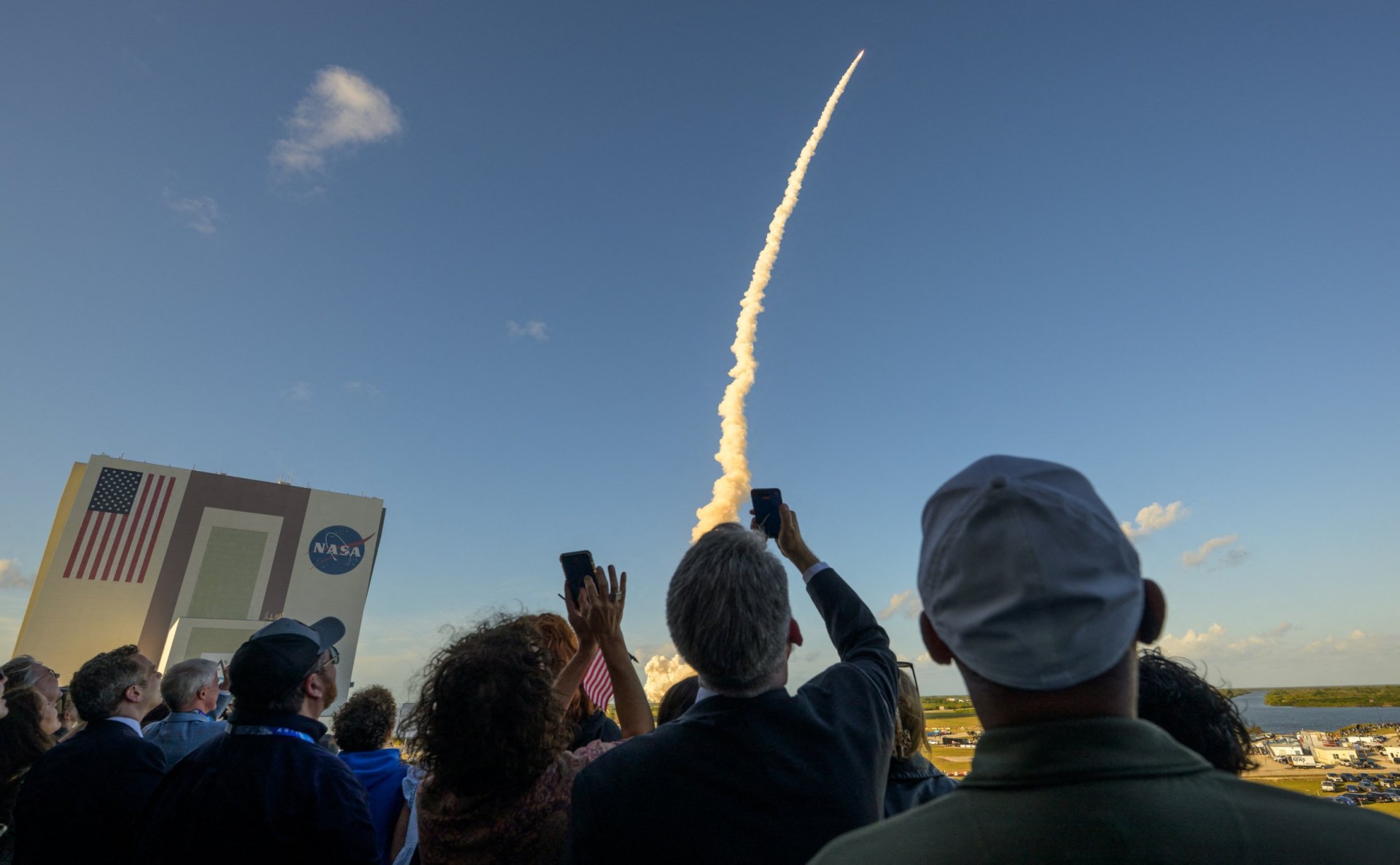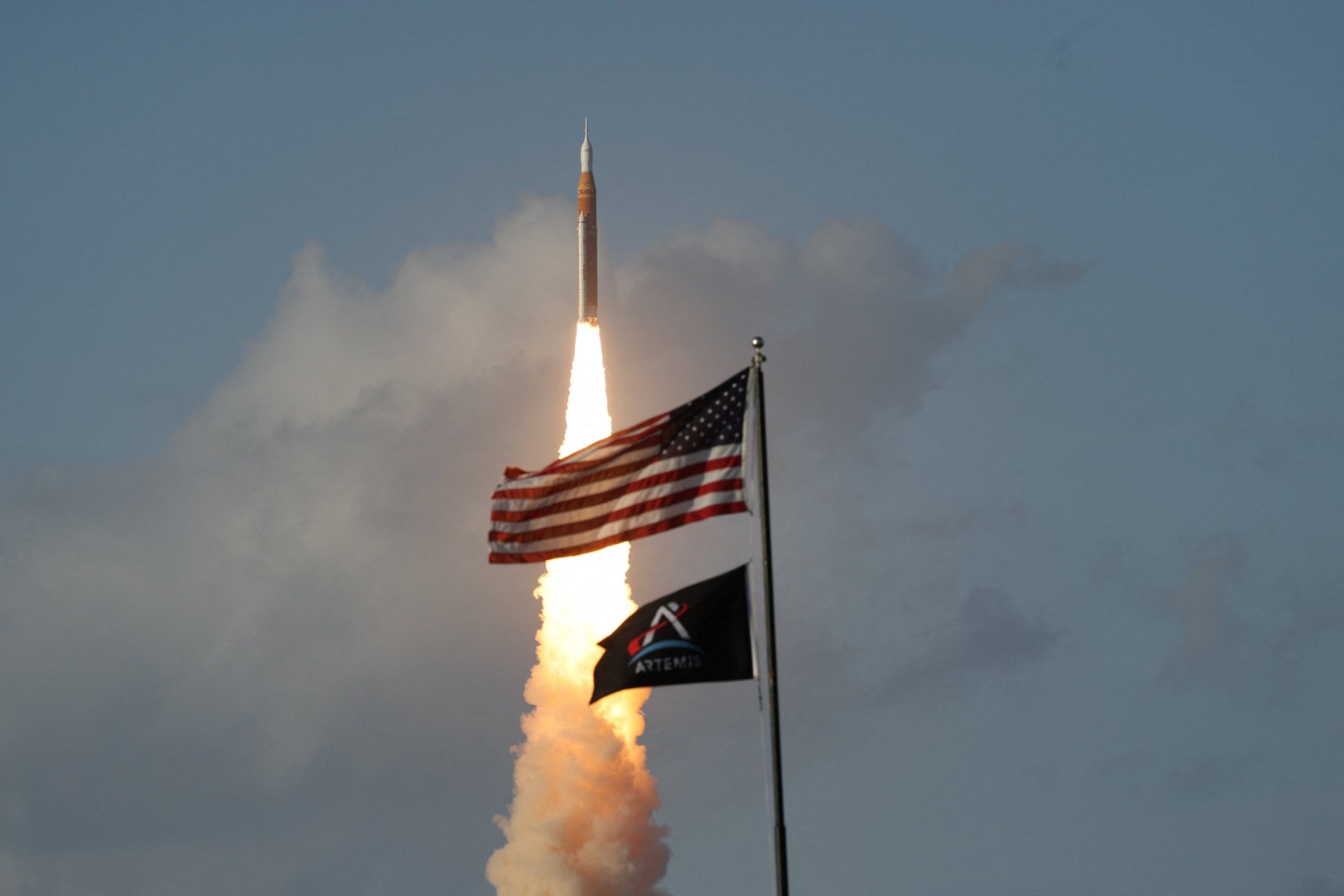

The Artemis II mission has a lot to worry about, and it’s not just the possibility of their toilet malfunctioning. One of the biggest concerns for the crew is solar flares, according to an expert. A towering NASA rocket named Intergry launched yesterday evening, sending four astronauts on a journey to the moon for the first time in half a century.
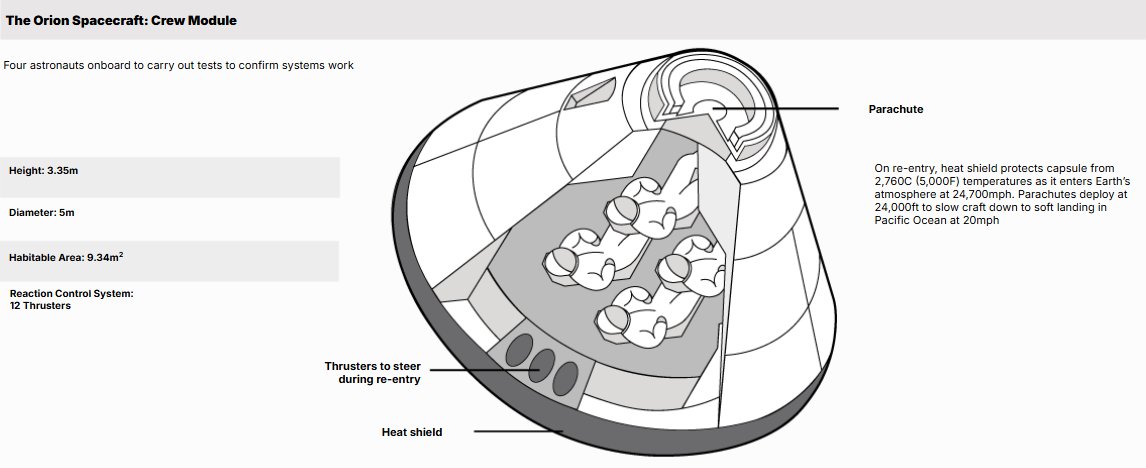
Reid Wiseman, Victor Glover, Christina Koch, and Jeremy Hansen will spend 10 days inside the minivan-sized Orion deep-space capsule. The main objective of the mission is to test important systems aboard Orion, including life support and deep-space communications. Another key aspect is determining how well the Orion can protect the crew from space weather.
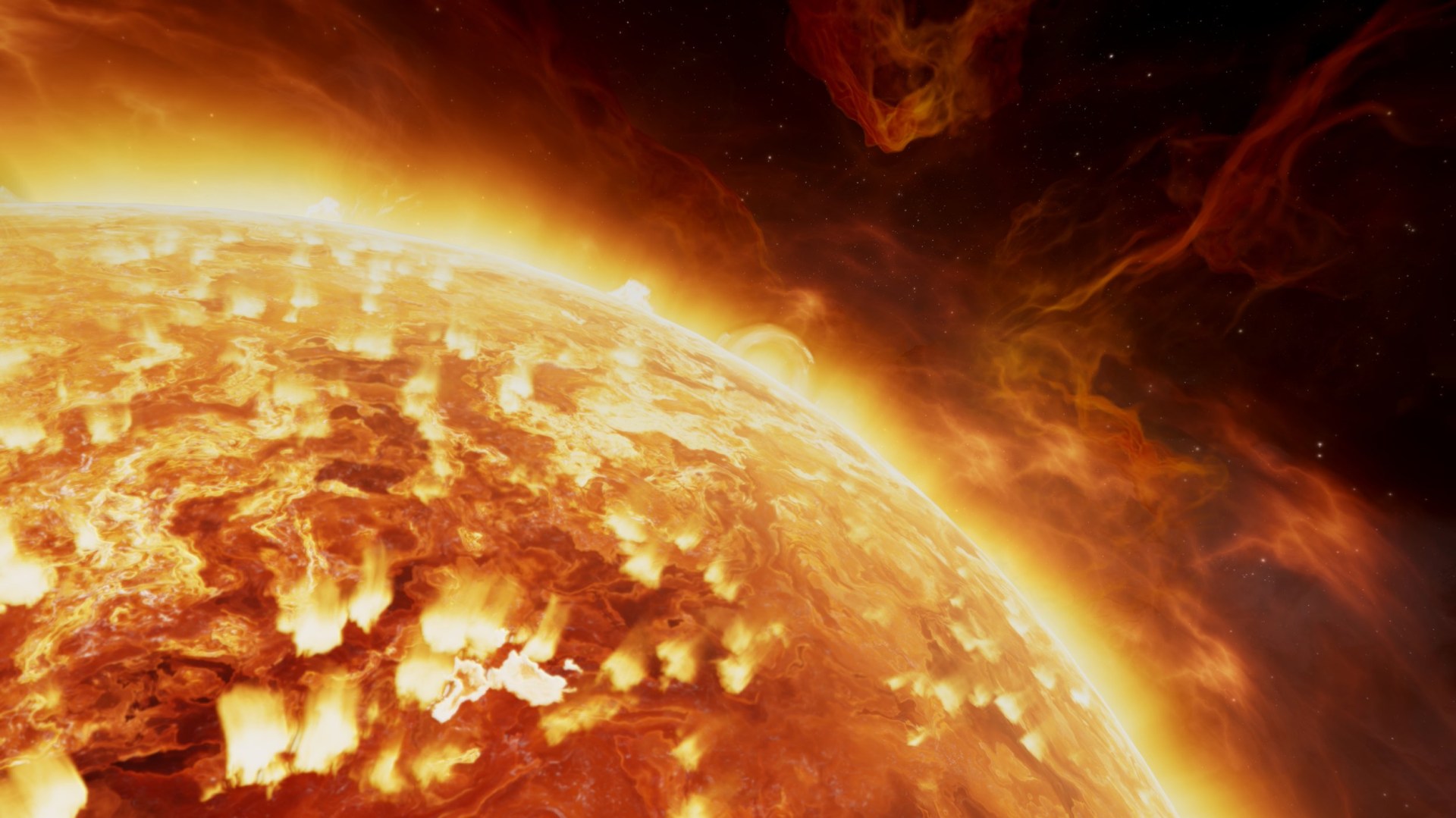
Our sun is an angry ball of churning plasma, constantly spewing radiation with the strength of millions of volcanic eruptions. Some of these bursts, called solar flares, can make their way to Earth and fry satellites, mangle GPS networks, and cause the Northern Lights. While Earthlings don’t need to worry too much about flares due to the Earth’s magnetic field, astronauts in space have no such protection.
Dr Ben Clewer, a space weather system developer at the Surrey Space Centre, explains that this is a major concern for space travel beyond Low Earth Orbit (LEO). He says: “The impacts are wide ranging, from causing the aurora on Earth, radio communication interruptions, errors in electronic systems, an increased radiation dose to the crew, and ultimately system damage to spacecraft.”
Limiting the impacts of any increased radiation will be an important aspect of the Artemis mission as space radiation can put astronauts at significant risk for radiation sickness, increased lifetime risk for cancer, central nervous system effects, and degenerative diseases.
How could astronauts protect themselves? Dr Clewer says that the solar events that cause the most damage travel from the sun to Earth in less than 20 minutes. If that happened, the spacefarers would shelter inside two stowage lockers underneath their seats. The dense material the Orion is made of will act as a shield, according to NASA. The capsule also has a radiation sensor, called a Hybrid Electronic Radiation Assessor, that’ll raise the alarm if it detects solar flares.
Dr Clewer adds: “The particles won’t be fully shielded against, however, and the capsule could experience impacts. The astronauts might see an increase in flashes with their eyes closed (where particles interact with their retinas), but in the worst case, if the solar flare was really large – the type that occurs once every 100 years on average – would be radiation sickness for the astronauts and/or failures in the control systems of the spacecraft.”
Dr Clewer warns that a sunspot, which shoots out solar flares as well as giant particle explosions called coronal mass ejections, about the size of 15 Earths, is currently facing Earth. One coronal mass ejection earlier this week even risked forcing NASA to postpone Artemis II – again.
Dr Clewer says: “Space weather scientists are constantly monitoring the Sun, and the Artemis missions have a whole team just for this purpose, ready to advise what to do. In the longer term of human spaceflight, space weather and solar radiation are the biggest danger to humans travelling to Mars.”
Everything You Need to Know About Artemis II
What Is the Point of Artemis II?
Mainly to test out the Orion’s life-support systems as well as its ability to try to execute docking manoeuvres for future flights. If it goes without a hitch, Artemis III will happen in 2028 and see people actually step onto the lunar surface.
How Fast Does Artemis II Travel?
About 17,000 mph – at that speed, you could go from east to west London in about seven seconds.
How Long Will It Take for Artemis II to Reach the Moon?
April 6 will be when the crew will reach our lunar neighbour and be the first pair of human eyes to see parts of the far side of the moon. The Orion will then swing back to Earth using the moon’s gravity, splashing down on April 10, ending the 10-day mission.