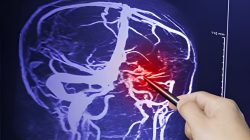
Understanding Ischemic Stroke and the Importance of Immediate Action
A stroke is one of the most dangerous medical emergencies, often occurring without warning and causing rapid, irreversible damage to the brain. Doctors emphasize that ischemic strokes, which account for nearly 70 per cent of all cases, are caused by a blockage in a blood vessel that supplies the brain. This blockage cuts off the supply of oxygen and glucose to brain cells, leading to severe consequences.
The impact of an ischemic stroke can be devastating. Within just one minute of delayed treatment, more than 1.9 million neurons die. Dr. Sharad Kumar GG, Consultant, Neurointervention at Manipal Hospital, highlights the critical nature of timely intervention: “About 70 per cent of all strokes are ischemic, caused by a blockage, not a bleed. These are the strokes that modern neurointerventional technology can most dramatically reverse, provided a patient reaches the right hospital, with the right team, fast enough.”
The Mechanism of Brain Damage During a Stroke
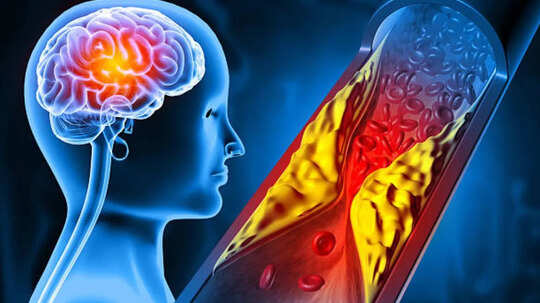
An ischemic stroke occurs when a clot blocks a major artery supplying the brain. Without oxygen, brain cells begin to die almost instantly. Alongside neurons, the brain also loses billions of synapses and miles of nerve fibres, severely affecting essential functions such as movement, speech, and memory.
This is why doctors stress the importance of the “golden hour” in stroke treatment, typically within the first 4.5 to 6 hours after symptoms begin. Immediate medical intervention, such as mechanical thrombectomy (clot removal), can restore blood flow and significantly reduce long-term damage.
Dr. Sharad explains the urgency: “When it comes to stroke, what troubles me most is not the complexity of the procedure; it is how little people still know about stroke. Patients arrive hours late because families assumed it would pass, or didn’t realise which hospital to come to. In stroke care, that delay is never neutral. Every minute of it is 2 million neurons gone, permanently.”
He adds, “We can have the best team, the best technology, the best protocols, but none of it matters if the patient doesn’t reach us during the golden hour period (which is 6 hours from the onset of symptoms) because we will probably be fighting a battle that is already partly lost.”
Real-life Cases Highlighting the Power of Fast Action
Recent cases described by Dr. Sharad highlight how early stroke treatment can save lives:
- An elderly woman who suffered a second stroke was brought to the hospital within minutes. Doctors successfully removed a large clot, and she is now recovering her speech and mobility.
- A 46-year-old woman with severe anemia developed a massive clot extending to the brain. Rapid intervention helped restore blood flow, giving her a strong chance at recovery.
- A healthy 52-year-old man with no prior risk factors experienced a sudden stroke. Quick treatment helped prevent severe, permanent brain damage.
These cases underline a critical message: stroke can affect anyone, regardless of age or health history.
Why a Stroke in the Left Brain Is More Dangerous
The brain is divided into two hemispheres, each responsible for different functions. A stroke in the left hemisphere, which controls the right side of the body, is particularly dangerous because it also affects language and communication skills. “The patient loses not only movement, but also reaches the onset of aphasia, wherein they are unable to comprehend verbal stimuli, articulate internal states, or communicate their needs,” said Dr. Sharad.
Patients may develop aphasia, a condition that makes it difficult to speak, understand language, or express thoughts. This not only impacts physical health but also severely affects quality of life.
Common Stroke Symptoms You Must Not Ignore
Recognizing stroke symptoms early can save a life. Watch for:
- Sudden weakness or numbness, especially on one side of the body
- Difficulty speaking or understanding speech
- Sudden confusion or loss of balance
- Severe headache with no known cause
- Vision problems in one or both eyes
Prevention and Awareness Are Key
While some strokes occur without clear risk factors, many are linked to conditions like high blood pressure, heart disease, diabetes, and poor lifestyle habits. Experts stress that increasing awareness about stroke symptoms, risk factors, and timely treatment is essential.
Maintaining a healthy lifestyle, taking prescribed medications regularly, and acting quickly during emergencies can dramatically reduce the risk of severe outcomes.