The Challenges of Modern Commuting in Australia
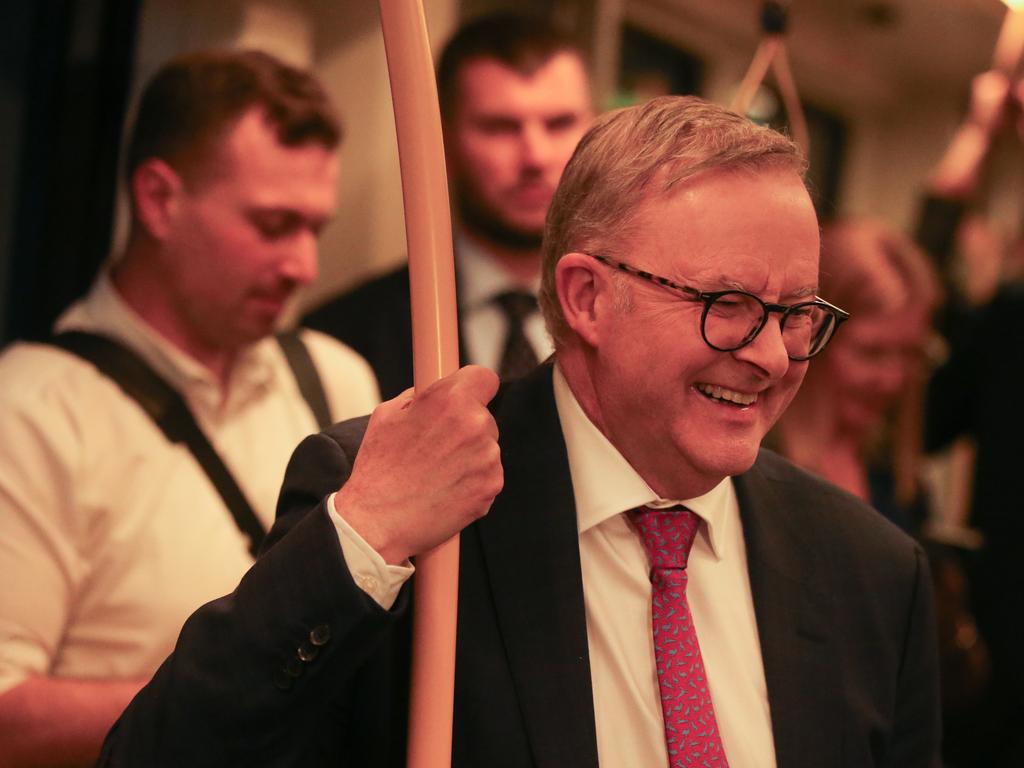
In the face of a national fuel crisis, Prime Minister Anthony Albanese has encouraged Australians to consider public transport as an alternative. However, this advice is being challenged by experts who argue that it doesn’t reflect the realities of today’s commuters.
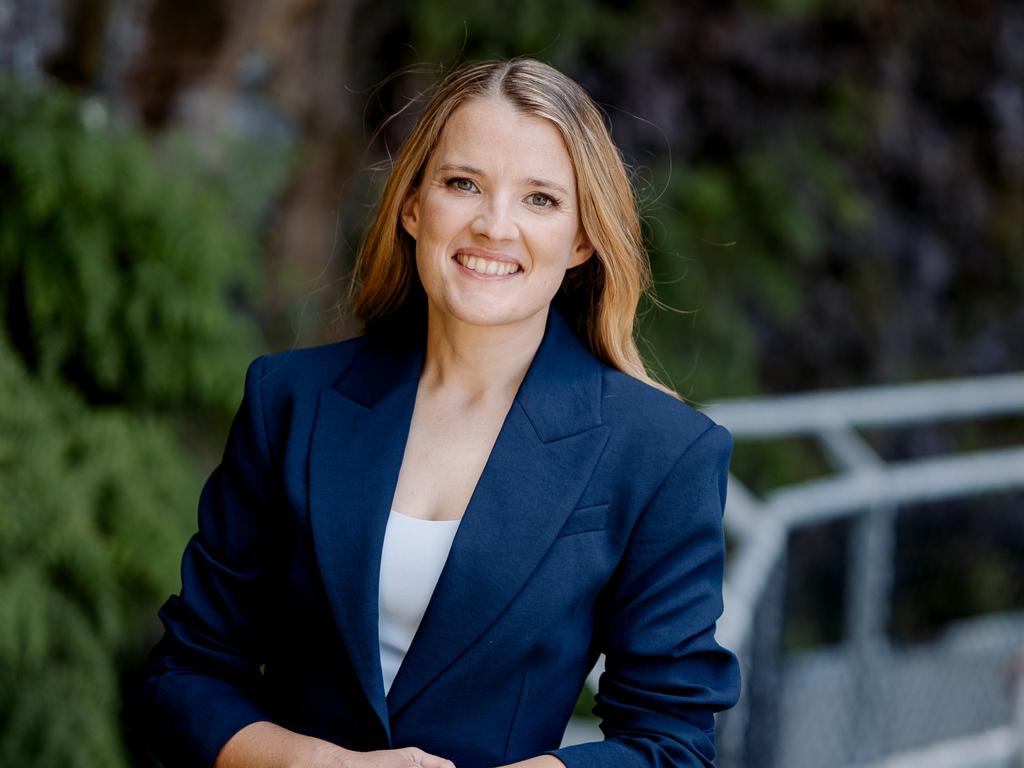
Felicity Furey, an award-winning engineer and author, has highlighted that public transport is no longer meeting the needs of modern Australians. She points out that the shift in lifestyle patterns following the pandemic has made driving the only practical option for many people.
Rising Costs and Changing Habits
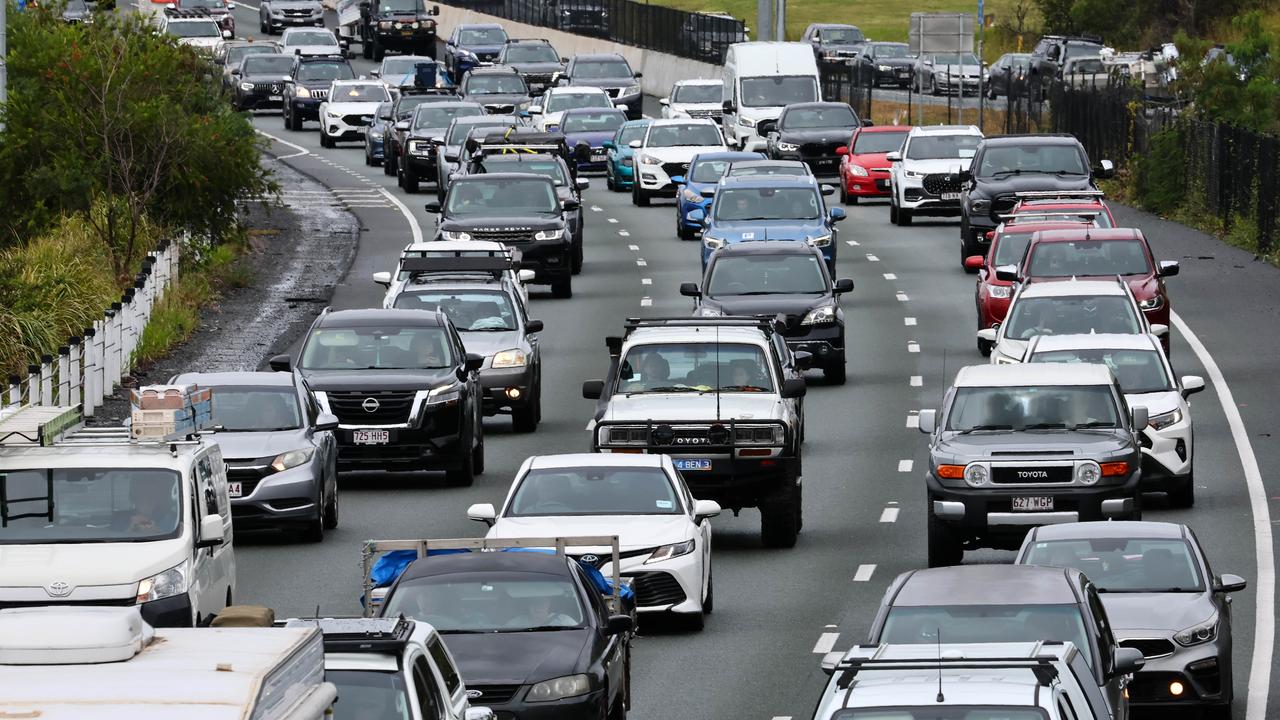
According to the Real Commute Report 2025, the average commuter spends $3557 a year on transportation, with the majority of that cost going towards private vehicle expenses such as fuel, insurance, and maintenance. Households now spend nearly $447 per week on transport, with 96.4% of that allocated to private vehicle costs.
The average daily commute has increased from 54 minutes in 2022 to 64 minutes, while the distance has grown from 32 kilometres to 37 kilometres. These changes reflect broader shifts in how Australians live and work.
The New Face of Commuting
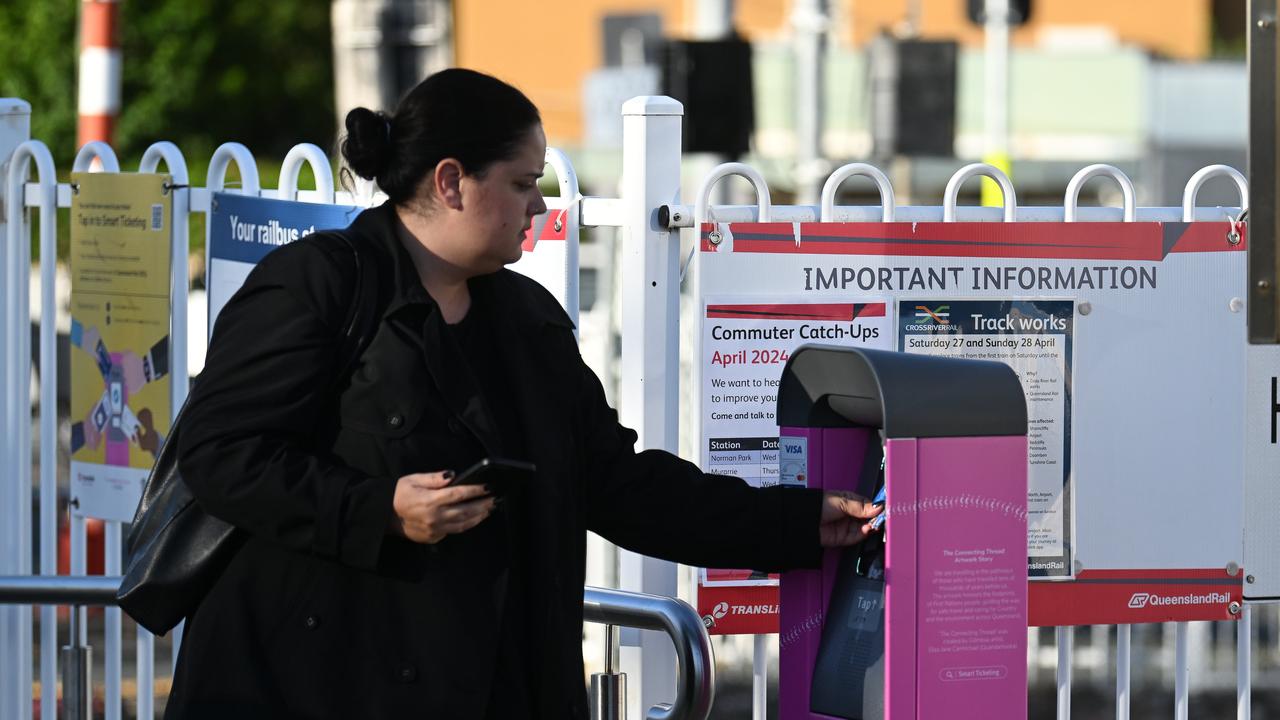
Furey explains that the traditional “standard commuter” no longer exists. Before the pandemic, commuting was largely predictable, with peak-hour travel into city centres. However, the pandemic has led to a significant drop in public transport use, which hasn’t fully recovered.
The 2021 Census revealed that 21% of Australians worked from home, up from 4.7% in 2016. This shift has changed travel habits, with more people making shorter, local journeys rather than long trips to CBD workplaces. Furey estimates that the number is now closer to one in three Australians working from home at least once a week.
Multi-destination Journeys
Modern commuting is no longer just a home-to-work return trip. It often involves multiple destinations, including daycare, school, errands, and caregiving throughout the day. Both parents working full-time have led to more complex travel patterns.
Many Australians are also moving to regional areas for housing, often facing longer commutes with limited transport options. Furey shared her own experience of traveling to Brisbane, where a car journey takes 1.5 hours, compared to 2 hours by train plus an additional 10 to 15 minutes to reach the station.
Structural Issues in Transport Systems
From an engineering perspective, Furey believes the issue lies in the structure of transport systems rather than individual behavior. She argues that these systems were designed around a “standard user” traveling a standard route, which no longer reflects how people actually move through the world.
She notes that much of today’s infrastructure was built decades ago, in a different social context when travel patterns were more predictable and many women were not in the workforce after marriage. The absence of GPS and real-time navigation tools further highlights the outdated nature of current transport systems.
Unequal Impact of Fuel Prices
The burden of rising fuel prices is not evenly distributed. Furey states that those hit hardest are often those with the fewest alternatives, particularly people living in regional areas or outer suburban growth areas with poor public transport connections.
For many Australians, driving is not a choice but a necessity. Without it, individuals must make trade-offs that can impact their daily lives.
Investment in Major Projects
Governments have continued to invest heavily in major transport projects. According to the Grattan Institute, governments have spent $34 billion more on transport infrastructure than planned over the past two decades, with nine projects now exceeding $5 billion each.
However, experts warn that megaprojects alone cannot solve modern commuting challenges. Research from the University of Sydney shows that more than 40% of the workforce now blends office and home days, with many workers willing to change jobs rather than return to full-time commuting.
A Need for Policy Change
Furey believes the gap between policy and lived experience is growing. While she supports public transport and uses it regularly when possible, she argues that policies are often built around an average or standard user rather than the reality of how people actually travel.
Engineers, leaders, and policymakers need to consider the range of new day-to-day realities people are navigating before assuming technical solutions alone will work for everyone.
Designing for Diverse Needs
Making public transport viable would require designing systems for different types of journeys and different stages of life. Furey emphasizes that public transport needs to be designed for a broader range of users and trip types, not just the traditional commuter traveling between home and the CBD.
This includes people living in regional areas and those making multi-destination trips across the day. It also means designing for different seasons of people’s lives, including pregnancy, raising young children, and caring for elderly parents, as well as improving safety for night workers and women traveling home late.