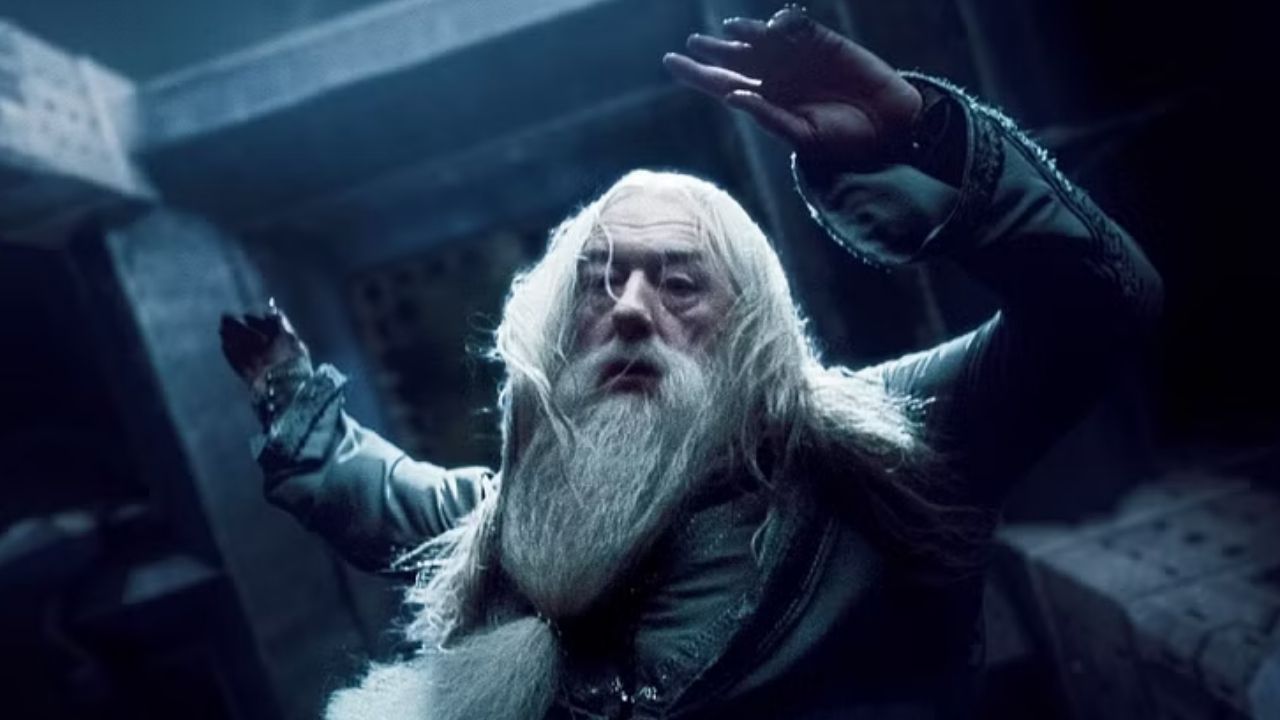
The Significance of Dumbledore’s Character in the Harry Potter Series
Albus Dumbledore was a central figure in the ‘Harry Potter’ series, serving as a guiding force and protector for the wizarding world. He was more than just a headmaster; he was a mentor, a leader, and a symbol of wisdom and strength. His presence was constant throughout the six books, and his decisions often had far-reaching consequences.
However, when it came to his death scene, the impact on screen fell short of what was expected. The moment should have been as significant as his character, but instead, it felt rushed and lacked the emotional depth that the novels provided.
The Missing Setup in the Film Adaptation
The novels spent years building up to Dumbledore’s fate, creating a sense of inevitability and destiny. For example, in ‘Prisoner of Azkaban,’ a humorous dinner scene included a prophecy from Professor Trelawney, which hinted at Dumbledore’s eventual demise. This moment added an eerie quality to his death, making it feel like a necessary conclusion to a long journey.
In contrast, the films skipped this setup entirely. Without the lingering prophecy, the tower scene lost the feeling that events had been circling him for years. On screen, Dumbledore’s death appeared less like a tragic culmination and more like a required story beat.
The Cursed Hand in ‘The Half-Blood Prince’
Another element that suffered in the film adaptation was the cursed hand in ‘The Half-Blood Prince.’ The novel treated it as a ticking clock, a clear sign that Dumbledore’s life was coming to an end. However, the movie showed the injury but never explained that it was fatal.
The book presented repeated assassination attempts that created dread inside Hogwarts. Poisoned mead nearly killed Ron, and readers realized someone actively hunted the headmaster. Harry suspected Draco Malfoy, yet a student defeating the most powerful wizard alive sounded impossible, which made the eventual success chilling.
The film condensed these incidents. They worked as clues in a mystery rather than as a rising danger. Because the threat never steadily grew, the audience never felt Dumbledore’s protection fading. Draco disarming him atop the Astronomy Tower, therefore, lacked tension. Instead of serving as the final step of a long pursuit, the confrontation escalated too quickly into murder. The groundwork existed, but it never built up enough to create dread.
The Lack of Fallout in the Film
In the novel, Dumbledore was weakened before his death through the Drink of Despair. He returned to Hogwarts barely able to stand, and the Dark Mark appeared above the tower. Together, they warned that the end had arrived.
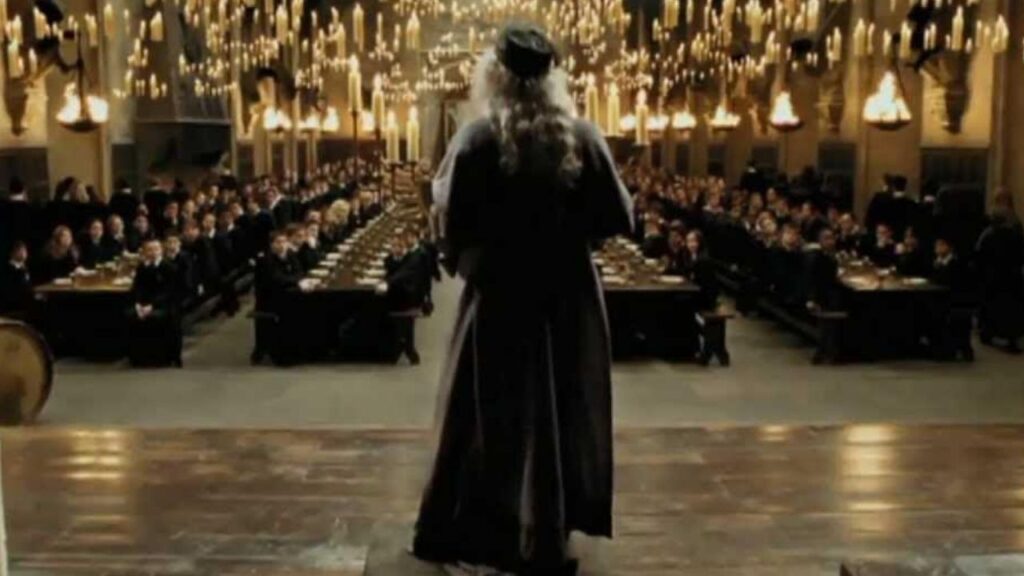
The film included these elements, yet rushed past their meaning. The potion scene became more of a dramatic spectacle than one capturing helplessness and vulnerability. The Dark Mark felt like background decoration rather than a warning. Snape cast the Killing Curse moments later.
The novel gave readers time to feel shock and betrayal, and the castle reacted in grief. Everyone paid respect to the fallen wizard in the Great Hall. Even centaurs from the Forbidden Forest and merpeople from the lake came to honor Dumbledore’s memory. It was a union of all the magical communities. Fawkes delivered a beautiful yet haunting song before bursting into flames and disappearing. The grief remained conspicuous in every character.
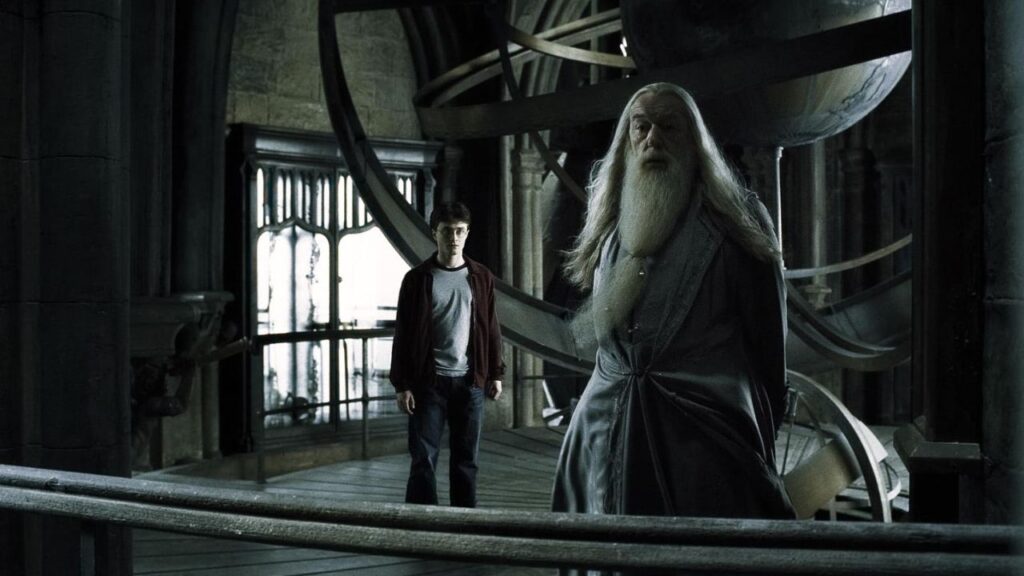
On the other hand, the film quickly cuts to a beautiful funeral scene, but the emotion never has time to settle. That is why the scene feels weaker than it should.
The Impact of a Rushed Death Scene
The story spent six films building Dumbledore as the wizard who held hope together, yet his death on screen passed too quickly. The plot changed forever, but the audience barely had a moment to feel the loss. It was just open season for Voldemort’s war.
The lack of emotional build-up and the rushed nature of the scene left many fans disappointed. Dumbledore’s death was meant to be a pivotal moment in the series, but the film failed to capture the weight and significance of that moment.