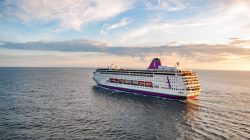
The Economic and Social Impact of Cruise Tourism
Cruise tourism is more than just a way to travel; it serves as a vital link between destinations and plays a significant role in boosting local economies and creating employment opportunities. According to the latest “Cruising for Impact” report, presented by the World Travel and Tourism Council (WTTC), every 20 cruise passengers contribute to the creation of one full-time job worldwide. This highlights the industry’s substantial economic influence, especially in coastal and port regions where the influx of tourists directly translates into job opportunities and economic growth.
Job Creation and Economic Growth
The cruise industry generated an impressive 1.8 million jobs in 2024, with nearly 80% of these positions being created on land. This underscores the sector’s strong impact on local economies and its ability to stimulate development in various communities. In addition to job creation, the industry has made a significant contribution to global GDP, adding $98.5 billion (approximately €90.6 billion) to the world economy in 2024. The total economic output from cruise tourism reached $199 billion (€183 billion), further demonstrating its wide-reaching effects.
Moreover, the industry provided $60.1 billion (about €55.3 billion) in wages, reflecting its extensive global reach and the importance of the sector in supporting livelihoods around the world.
Expanding Markets and Consumer Behavior
One of the key findings of the report is that over 60% of cruise passengers return to destinations they first visited through a cruise. This trend reinforces the role of the cruise industry as a gateway to new tourism markets and a long-term demand generator. The direct spending associated with cruises amounted to $93 billion (around €85.5 billion), much of which is directed towards local businesses such as small shops, tourism suppliers, and service providers. This financial flow helps strengthen the micro-economies of these destinations and supports local entrepreneurship.
Broader Benefits Beyond Economics
The positive impact of cruise tourism extends beyond economic factors. The sector contributes to social development through job creation, talent development, inclusion, cultural preservation, and infrastructure improvement. It also fosters environmental innovation and resilience, helping destinations better prepare for and respond to crises. These broader benefits highlight the multifaceted role of cruise tourism in shaping sustainable and inclusive communities.
Future Growth and Opportunities
Looking ahead, the cruise industry shows promising growth prospects. Despite accounting for only 2% of the global holiday market, the sector attracts over 35 million travelers annually, indicating ample room for expansion. Passenger capacity is expected to increase by 19% between 2022 and 2028, which will further solidify the industry’s role in the economic and social development of destinations.
Collaboration for Sustainable Development
The WTTC concludes that with the right collaboration between governments, the industry, and local communities, cruise tourism can continue to expand its contributions to more inclusive, sustainable, and resilient economies worldwide. By working together, stakeholders can ensure that the benefits of cruise tourism are maximized while addressing potential challenges and promoting responsible travel practices.