Extended Free Public Transport for Victorians
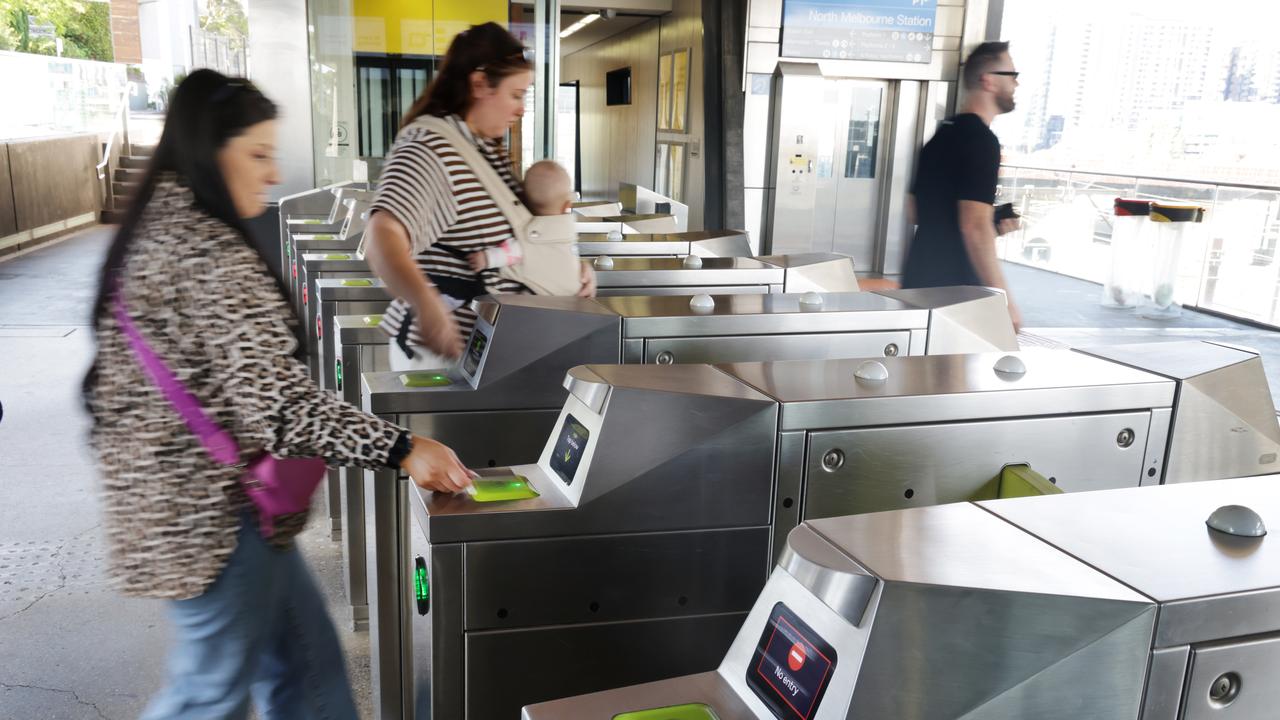
Victorians will continue to enjoy free travel on public transport for an additional month as part of a significant cost-of-living relief initiative announced by the state government. This extension follows the initial fare-free period introduced earlier this month and is expected to have a major financial impact, with costs running into the hundreds of millions of dollars.
The policy is designed to provide economic relief to households while also addressing concerns about fuel demand in light of global instability, particularly the ongoing conflict involving Iran. The move aims to encourage more people to switch from private vehicles to public transport options such as trains, trams, and buses.
Key Details of the Policy
Under the expanded scheme, free travel will remain in place through May. After that, fares will be reduced by 50% for the rest of the year. The daily full fare cap, which currently stands at $11.40, will be halved to $5.70. Myki pass holders will also be eligible for reimbursements, ensuring that those who use public transport regularly can benefit from the changes.
The government estimates that the combined cost of free travel during April and May will amount to approximately $432 million. This figure highlights the scale of the initiative and the commitment of the state government to support residents during a time of rising living costs.
Impact on Public Transport Usage
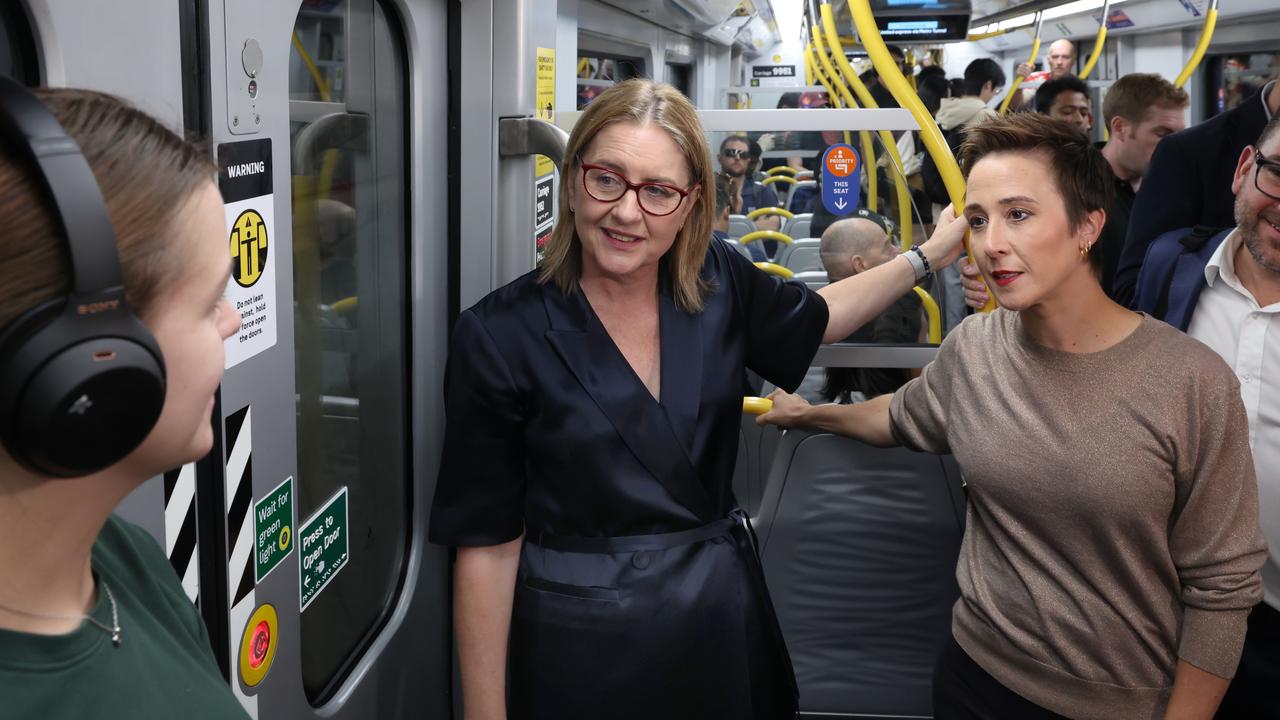
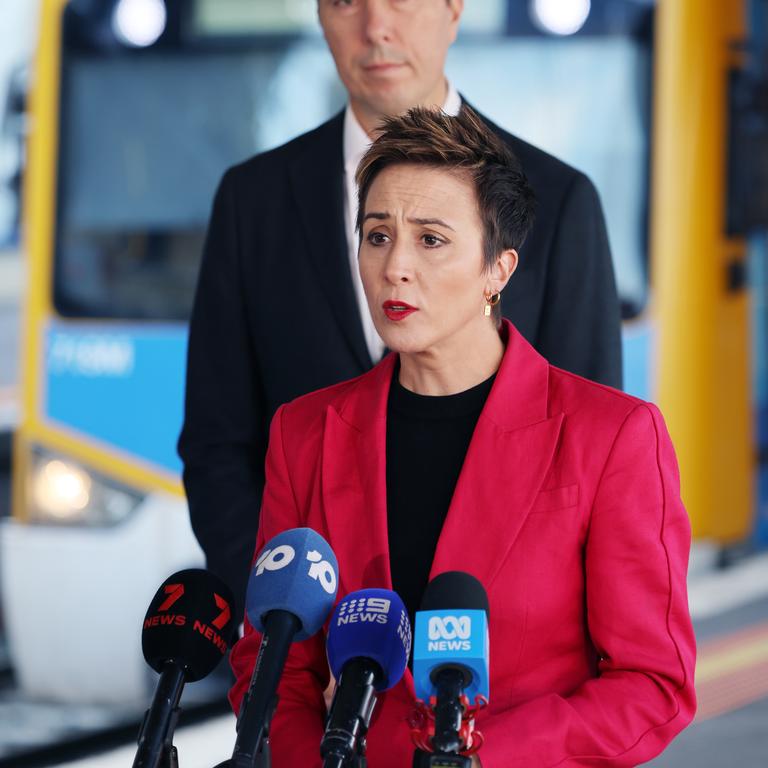
Transport Infrastructure Minister Gabrielle Williams has stated that the extended initiative is intended to reduce pressure on household budgets and ease the burden on fuel supplies. She emphasized the importance of encouraging people to use public transport, especially given the current geopolitical climate.
Early indicators suggest that the policy is already influencing travel behavior. There is evidence that road usage in metropolitan areas has been declining. Data collected over the past month shows a steady reduction in the total kilometers travelled on roads, indicating a shift towards public transport.
Public transport patronage has reportedly increased by about 10% since the introduction of fare waivers. Both metropolitan and regional services have seen higher levels of usage, reflecting the positive impact of the policy.
Opposition Criticisms
While the Opposition has acknowledged the need for cost-of-living relief, they have raised concerns about the policy’s effectiveness and fairness. Opposition Leader Jess Wilson pointed out that the initiative may not benefit all groups equally, leaving some workers without support.
She argued that a more comprehensive plan is needed to address the cost of living across all sectors. Ms Wilson also questioned the fairness of taxpayers funding a measure that does not provide equal benefits to everyone. She highlighted that taxpayers who do not use public transport would still bear the cost of the policy.